
-
 Asian Games offer 'deepest apologies' for South Korea anthem blunder
-
Black smoke, flames rising near Riyadh airport: residents to AFP
-
 تطورات "سي أن أن": تقرير بالذكاء الاصطناعي كاد يشعل حرباً بين أميركا والصين
-
قراءة في مجلس شباب «موانئ دبي العالمية» يناقش دور الخبرات والأفكار في تحسين العمليات

-
 Inter Milan and Italy icon Mazzola dies aged 83
-
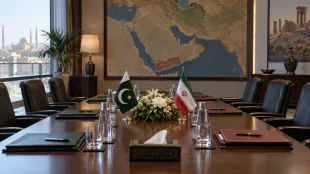
تقرير حول وفد باكستاني إلى إيران قريباً لكسر جمود المفاوضات واحتواء التوتر في اليمن
-
 UK actor Naomi Watts honoured at Spain film festival
-
قراءة في 1000 تاجر جزائري فقط يعتمدون الدفع الإلكتروني

-
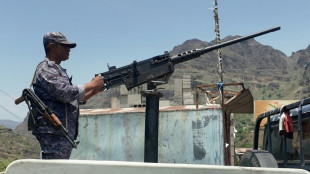
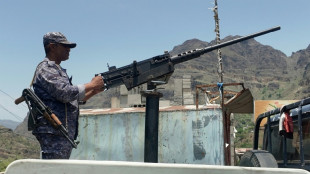 Saudi capital issues first air raid alert since renewed fighting in Yemen
-
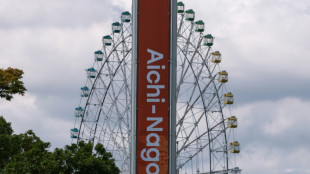
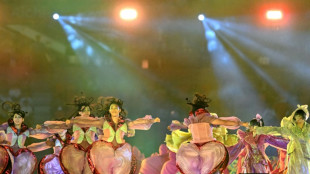
Japan emperor declares Asian Games open after turbulent build-up
-
 Martin edges title rival Marquez for Austrian MotoGP pole
-
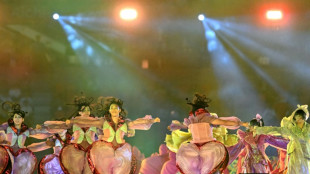
Asian Games open with unity message after troubled build-up
-
 Indonesia accepts Malaysia's help to tackle wildfires
-
Denmark hails 'binding' Greenland deal with Trump
-
 Indians living in Japan on stand-by to house Asian Games athletes
-
We don't want Games host Japan losing money, says Asian Olympic official

-
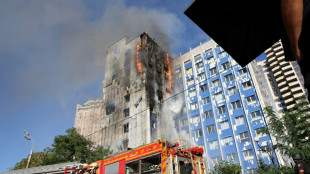 Trump signs bill authorizing sweeping Russia sanctions
-
Ed Sheeran returns to stage after Palestinian controversy

-
 Protesters form human chain at Kennedy Center after Trump threat
-
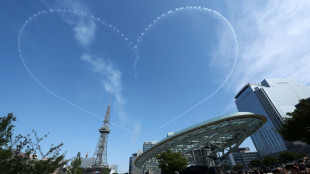
Asian Games to open in Japan after troubled build-up
-
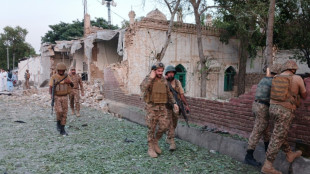 Death toll from attack at police HQ in Pakistan rises to 31
-
Drone owners rush to offload devices ahead of Beijing ban

-
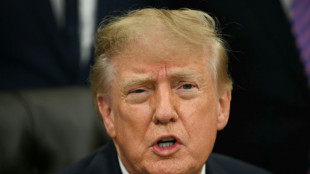 Trump says Denmark to give US 'permanent control' over Greenland security
-
Trump's beef policies irk Texas ranchers, testing their loyalty

-
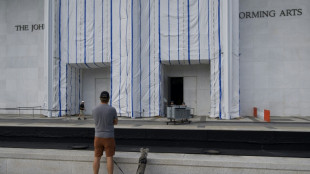 Kennedy Center: future unclear for iconic Washington arts hub
-
Nvidia, OpenAI CEOs to attend Xi dinner at White House

-
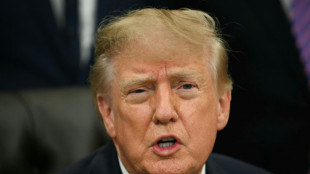 Trump claims 'infinite' Greenland security deal with Denmark
-
Anthropic picks Accenture for in-house AI safety evaluation

-
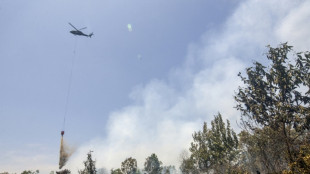
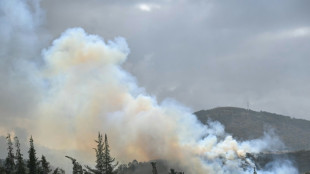 Helicopters battle wildfire threatening Ecuador's capital
-
Balogun returns as Monaco beat Lens to continue strong Ligue 1 start

-
 Brentford batter Chelsea to undo Alonso's promising start
-
'Pause' on overt repression in Venezuela, but reforms still needed: HRW

-
 Kane hits Bundesliga century as Bayern rout Union
-
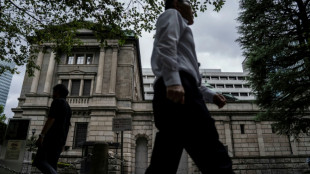
Global stocks mixed as yen falls despite Bank of Japan rate hike
-
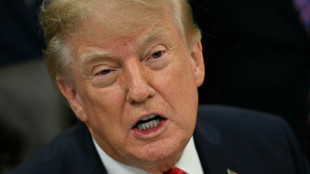 Trump says CNN, MS NOW, Politico banned from White House
-
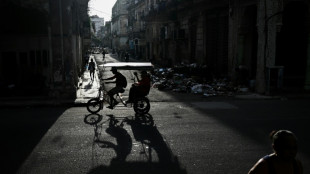
Cuba hit with seventh major blackout of the year
-
 Hushing and hedging: US companies retreat on climate
-
Murray out with concussion so Wentz will start for Vikings

-
 Springboks to face Fiji before 2027 Rugby World Cup
-
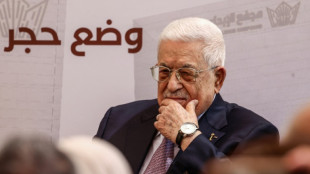
UN chief 'deeply regrets' US visa refusal to Abbas for annual meeting
-
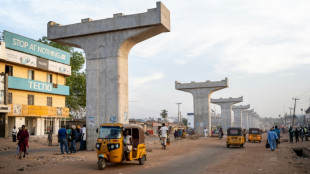 Nigeria miners struggled to breathe in cell before 37 died: survivors
-
England quick Carse to face no charges over alleged nightclub assault

-
 McIlroy on the charge at PGA Championship as Reed withdraws
-
Mancini brings nine newcomers into the first squad of his Italy comeback

-
 McIlroy on the charge at PGA Championship
-
Czechs level Davis Cup tie against USA as South Korea eye Finals

-
 Crisis-wracked Volkswagen warns of 10-bn-euro hit to profits
-
New France boss Zidane confirms Mbappe as captain after naming first squad

-
 Costa Rica's Grynspan tops third informal poll for UN chief: diplomat
-
California governor signs order to explore AI 'kill switch'

Iran's Nuclear Ambitions
The recent US military strikes on Iran's nuclear facilities have raised questions about the current state of Iran's nuclear program and its potential to develop a nuclear weapon. While the US administration claims that the strikes have "completely and totally obliterated" Iran's key nuclear enrichment facilities, there are conflicting reports and expert opinions on the true extent of the damage.
On June 22, 2025, the United States launched a series of airstrikes on three major Iranian nuclear sites: Fordo, Natanz, and Isfahan. The operation, codenamed "Midnight Hammer," involved B-2 Spirit stealth bombers dropping massive bunker-buster bombs and a submarine launching Tomahawk missiles. President Donald Trump announced that the strikes were a "spectacular military success" and that Iran's nuclear ambitions had been "obliterated."
However, a leaked preliminary intelligence assessment from the Defense Intelligence Agency suggests that the strikes may have only set back Iran's nuclear program by a few months. According to sources familiar with the report, the attacks sealed off the entrances to two facilities but did not collapse their underground structures. Additionally, it is believed that some centrifuges used for uranium enrichment might still be intact.
Further complicating the picture, there are indications that Iran may have relocated its stockpile of enriched uranium prior to the strikes. Satellite imagery from the days before the attack shows trucks at the Fordo and Isfahan sites, possibly moving materials away from the facilities. If Iran has safeguarded its enriched uranium, it could potentially resume its nuclear activities more quickly than if the stockpile had been destroyed.
The International Atomic Energy Agency (IAEA) has confirmed that the three sites were hit and has reported extensive damage, particularly at Esfahan and Fordo. However, the agency also noted that there has been no increase in off-site radiation, suggesting that any radioactive materials were not released during the attacks.
Experts are divided on the long-term impact of the strikes. David Albright, president of the Institute for Science and International Security, stated that restoring Iran's nuclear program would require significant time, investment, and energy, and that Iran risks further attacks if it attempts to rebuild. Conversely, Jeffrey Lewis, a professor at the Middlebury Institute of International Studies, argues that the program is not destroyed and that Iran might still possess the necessary materials to continue its pursuit of nuclear weapons.
Prior to the strikes, the IAEA had reported that Iran possessed over 400 kilograms of uranium enriched to 60%, which is close to the 90% purity needed for a nuclear weapon. If this stockpile remains intact, Iran could theoretically use it to produce a bomb relatively quickly, provided it can rebuild its enrichment capabilities.
However, with the facilities damaged, Iran would need to reconstruct its infrastructure, a process that could take months or even years, depending on the extent of the damage and the resources available to Iran.
Moreover, Iran is now under intense international scrutiny, and any efforts to rebuild its nuclear program would likely face strong opposition, including the possibility of further military action.
In conclusion, while the US strikes have undoubtedly inflicted damage on Iran's nuclear facilities, the true impact on Iran's ability to develop a nuclear weapon remains uncertain. The status of Iran's enriched uranium stockpile and the resilience of its underground facilities are key factors that will determine how close Iran is to possessing a nuclear bomb. As of now, it is unclear whether the strikes have significantly delayed Iran's nuclear ambitions or merely caused a temporary setback.

Why China props up Putin

Alert in Trump’s America

China’s profitless push

Embraer’s 950% surge

Bolivia at breaking point
Adobe down 40%: Kodak moment?

Adobe down 40% and now?

Tariffs roil U.S.–India ties

After Europe’s capitulation

Trump vs Intel: Chip endgame?

Operation Venezuela: Scenario



