
-
 Abdul El-Sayed Wins Michigan Senate Seat in Historic Election
-
Trump Signals Willingness to Work With Democrats After Midterm Defeat
-
 Qatar media bodies discuss support for humanitarian initiatives
-
دي برومهد يفتح خياراته لـ "ذا بيغ ويسترنر" قبل عودته في ويكسفورد

-
 Galloway accuser could not foresee publishing-sector fallout, lawyer argues
-
أزمة الإسكان في البرتغال: تصاعد الأسعار يعمق الانقسامات السياسية حول الحريات

-
 No. 22 UCLA defeats No. 5 Arizona 84-75 despite Kharchenkov's 38 points
-
New York City Center revives In the Heights as a timely community story

-
 Vessel operator seeks witnesses after Vancouver grounding
-
Godzilla Minus Zero shifts focus toward postwar human drama

-
 US Air Force deploys F-16 fighters to remote Aleutian base for readiness drill
-
Mehbooba Mufti urges dialogue and renewed Central Asia links for Kashmir

-
 Bezos grant helps Seattle nonprofit move thousands of families toward housing
-
Seacliff Healthcare Seeks Specialist GP in Thirroul

-
 Shrini Srivastava joins crew of Varanasi-Delhi Vande Bharat Sleeper service
-
US stocks fall before midterm Election Day as technology shares weaken

-
 Nearly Half of Australian Workers Overqualified, Survey Finds
-
BLS Polymers makes strong market debut at ₹248 per share

-
 RBI eases export-declaration compliance for individual service exporters
-
Petrol and diesel prices remain broadly steady across major Indian cities

-
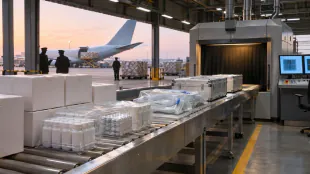 India proposes more import entry points for drugs and medical devices
-
Reliance shares remain in focus after near-12% surge

-
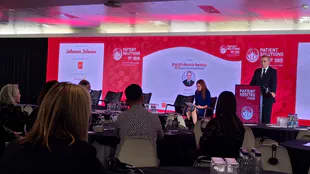 Derek Tierney Outlines Ten-Year Strategy for National Digital Health System
-
2026 Arizona Midterms: Key Races, Ballot Measures, and Voter Deadlines

-
 NBC’s Steve Kornacki Reveals Tech Habits Ahead of Midterm Elections
-
Coal India prepares possible $1 billion Mahanadi Coalfields listing

-
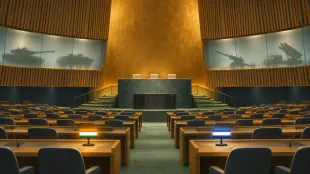 India and Israel oppose UN draft on regional conventional arms control
-
Julia Stiles and Ezra Sosa Share Emotional Farewell After 'DWTS' Elimination

-
 BLS Polymers shares open 65.3% above IPO price
-
US Buildings Threatened by Wildfires Could Triple by 2060

-
 Capital-markets shares rally as Motilal Oswal and Angel One lead gains
-
Why Pregnancy Cost Estimates Fail: A Family’s $9,000 Surprise

-
 Latino Voters Defy ICE Fears, Turn Out in Record Numbers for Midterms
-
US Strikes Iranian Targets in Strait of Hormuz Ahead of Midterms

-
 ITC shares rise as analysts anticipate gradual cigarette-business recovery
-
Brodeur’s Overtime Goal Secures Bethlehem’s Second Consecutive Sectional Title

-
 Reliance rally puts historical one-year return pattern in focus
-
Rare 1970 Plymouth ‘Cuda 426 Hemi Listed for $400,000

-
 Kuwait edges Oman 1-0 in veterans Gulf Cup in Doha
-
The Digital Burden: Why Instant Messaging Feels Like a Full-Time Job

Who wins and who loses in Syria?
In a dramatic turning point for Syria, the Assad regime has collapsed, paving the way for Hay’at Tahrir al-Sham (HTS) to seize the reins of power. This profound shift comes after years of civil war, international intervention, and internal political struggles. While the fall of one government and the rise of another might briefly end large-scale hostilities in certain areas, the implications for Syrians—and regional players—are complex and far-reaching. Below, we examine who stands to benefit from HTS’s ascension and who may face serious setbacks in the aftermath.
Potential Winners
1) Hardline Islamist Groups and Affiliates
As HTS consolidates its influence, other aligned Islamist factions may find opportunities to share in governing structures or expand their influence in regions of Syria. Local militias cooperating with HTS may receive political or financial rewards, as well as a certain degree of autonomy in the territories they help control.
2) Foreign Backers of HTS
Certain external supporters might see political or strategic advantages if their preferred groups are now in charge. These backers could influence the formation of new governmental institutions, policies, or trade agreements favorable to their interests.
3) Some Local Communities Under HTS Control
In areas where HTS had already established local governance—providing basic services and a semblance of stability—residents might see a continuation of order, albeit under strict regulations. While personal freedoms may be curbed, some communities might prefer an end to intense fighting over the chaos of ongoing armed conflict.
Potential Losers
4) Moderate Opposition Groups
Non-extremist factions that fought to topple the Assad regime could be sidelined, if not outright suppressed, by the new leadership. Political competition might be stifled, making it difficult for moderate voices to participate in post-conflict governance.
5) Ethnic and Religious Minorities
With HTS widely considered a hardline faction, minority groups—such as Alawites, Christians, Kurds, and Druze—may face persecution or exclusion from the new power structure. Discriminatory policies could lead to displacement, especially in regions already experiencing sectarian tension.
6) Civil Society and Human Rights Advocates
NGOs, independent journalists, and activists critical of HTS’s ideology may be forced to operate clandestinely or face severe repercussions. Freedom of the press, speech, and assembly could be further curtailed, limiting any meaningful civic engagement.
7) International Humanitarian Efforts
Foreign aid agencies may find it more difficult to operate under a leadership that has been labeled “extremist” by many nations. Bureaucratic hurdles, security risks, and ideological disputes may restrict the distribution of crucial humanitarian assistance to vulnerable populations.
International Dynamics
Regional Powers:
Neighboring countries that once supported specific rebel factions might find their influence diminished if those groups lose ground under HTS rule. Conversely, regional actors that developed covert ties with HTS might gain a stronger foothold in Syria’s evolving political landscape.
Global Powers:
Western nations could face a dilemma: accept a de facto extremist-led government for the sake of stability, or maintain sanctions and diplomatic isolation. Rivalries between larger international players—such as the United States, Russia, and Iran—may shift as each decides how (or whether) to engage with HTS.
Humanitarian Concerns:
While HTS’s political agenda may bring an end to certain forms of internal conflict, Syria still faces severe humanitarian challenges. Millions are displaced, infrastructure is in ruins, and the economy remains fragile. Aid agencies worry that severely restrictive policies or ideological conditions set by the new authorities could hamper reconstruction and limit aid distribution, prolonging the suffering of ordinary Syrians.
Looking Ahead
The end of the Assad regime and the rise of HTS marks a new chapter in Syria’s ongoing struggle. For some, the new government provides a semblance of order after years of civil war. For others, it heralds tighter social controls, greater risk of persecution, and an uncertain future. How HTS manages governance, minority rights, and international relations will ultimately shape Syria’s recovery or further turmoil.
As the global community watches from afar, Syrians remain on the front lines of this dramatic power shift—some hoping for a break from ceaseless conflict, others bracing for a new and possibly harsher form of authoritarian rule. Only time will tell if HTS can stabilize the country and address the nation’s myriad challenges, or if Syria’s years of turmoil will persist under a different banner.

Why China props up Putin

Alert in Trump’s America

China’s profitless push

Embraer’s 950% surge

Bolivia at breaking point
Adobe down 40%: Kodak moment?

Adobe down 40% and now?

Tariffs roil U.S.–India ties

After Europe’s capitulation

Trump vs Intel: Chip endgame?

Operation Venezuela: Scenario



