-
 إرشادات بشأن لماذا يستمر السعال بعد الإنفلونزا أطباء يكشفون طرق تخفيفه
-
Dortmund sink Stuttgart to climb to Bundesliga summit

-
 McIlroy two shots off the lead at Wentworth after eagle on 18
-
Trump says will not tolerate attempts to slow AI growth

-
 اتحاد الكرة يعرض تفاصيل موعد إنطلاق بطولة كأس الألف شهيد في غزة
-
Martinez brace saves Inter in Serie A top-two clash with Roma

-
 'It has to stop': runners protest women's murders in S.Africa district
-
Rosenior abused but guides Paris FC past old club Strasbourg

-
 تقرير حول مكتب الإعلام الدولي في دولة قطر يرد على الادعاءات الكاذبة والتقارير الملفقة في وسائل الإعلام الإسرائيلية
-
تقرير حول موهبة مانشستر يونايتد في برشلونة للتفاوض

-
 Fire erupts near Riyadh airport as Houthis claim strikes
-
Seven-try Lyon beat Pau, climb to Top 14 summit

-
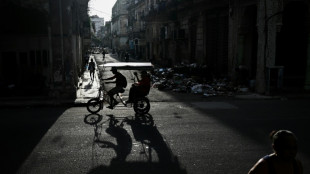 Cuba works to restore power after another blackout
-
تقرير حول ليسلم نفسه للاحتلال معتقل منذ 2007 في سجون السلطة

-
 Brighton defeat a 'big lesson' against complacency for Arsenal, says Arteta
-
سيول تجدد تأكيد لواشنطن عزمها المساهمة في استعادة حرية الملاحة بمضيق هرمز

-
 تقرير حول مجلس الأمن يدين «بأشد العبارات» هجمات الحوثيين المستمرة على المملكة ويؤكد حقها الأصيل في الدفاع عن النفس
-
England thrash Sri Lanka again to return to top of T20 rankings

-
 Thousands protest inaction over climate crisis in Switzerland
-
ملياردير روسي موّل جانباً من زفاف نجل ترمب... والرئيس الأميركي يجدد تأكيد سداد الأموال

-
 Arsenal thrashed by Brighton, sorry Spurs lose again
-
تقرير حول سوريا: توقيف ضباط سابقين يُشتبه بمسؤوليتهم عن غارات جوية خلال عهد الأسد

-
 Carapaz out of cycling world championships
-
ملف خادم الحرمين يوجه بناءً على ما رفعه ولي العهد بإطلاق اسم الأمير مساعد بن عبدالرحمن على الجامعة السعودية الإلكترونية

-
 تقرير حول سيول: تصريح الرئيس حول عدم التدخل في الحرب ليس رفضاً لطلب ترمب بشأن هرمز
-
South Korea, Austria qualify for Davis Cup finals

-
 مشهد سمير سرياني لـ«الشرق الأوسط»: أحضّر لفيلم لبناني اجتماعي يتناول همومنا بقالب كوميدي
-
'Fragile' Tottenham beaten by Aston Villa despite late rally

-
 Seare shocks Ingebrigtsen to win world 5km gold
-
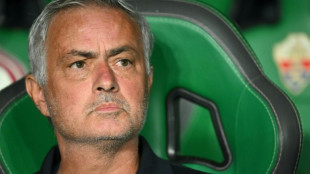
Mourinho hails Real Madrid grit before Atletico derby clash
-
 ملف البنيان: تسمية الجامعة السعودية الإلكترونية باسم «الأمير مساعد بن عبدالرحمن» تُجسّد عناية القيادة بالتعليم وتكريم رجالات الدولة
-
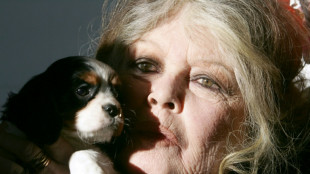
Brigitte Bardot widower slams sale of star's belongings
-
 Martin wins Austrian MotoGP sprint after Acosta crash
-
Aston Villa compound Tottenham's misery despite late rally

-
 Japan edge Fiji to win Pacific Nations Cup
-
حصيلة من يملك جسد اللاعب ورسائله؟ قميص سبتة يتحول إلى نقاش أكبر من السياسة

-
 تقرير حول وصول حرب أوكرانيا إلى القطب الشمالي ينذر بتصاعد التوتر بين القوى النووية
-
Asian Games offer 'deepest apologies' for South Korea anthem blunder

-
 Black smoke, flames rising near Riyadh airport: residents to AFP
-
تطورات "سي أن أن": تقرير بالذكاء الاصطناعي كاد يشعل حرباً بين أميركا والصين

-
 قراءة في مجلس شباب «موانئ دبي العالمية» يناقش دور الخبرات والأفكار في تحسين العمليات
-
Inter Milan and Italy icon Mazzola dies aged 83

-
 تقرير حول وفد باكستاني إلى إيران قريباً لكسر جمود المفاوضات واحتواء التوتر في اليمن
-
UK actor Naomi Watts honoured at Spain film festival

-
 قراءة في 1000 تاجر جزائري فقط يعتمدون الدفع الإلكتروني
-
Saudi capital issues first air raid alert since renewed fighting in Yemen

-
 Japan emperor declares Asian Games open after turbulent build-up
-
Martin edges title rival Marquez for Austrian MotoGP pole

-
 Asian Games open with unity message after troubled build-up
-
Indonesia accepts Malaysia's help to tackle wildfires

Boomers: Selfish or Scapegoats?
The debate over whether the Baby Boomer generation—those born between 1946 and 1964—deserves the label of "the most selfish generation in history" has intensified in recent years. Critics argue that Boomers have prioritised their own comfort and prosperity at the expense of future generations, while defenders point to their contributions to social progress and economic growth. This article explores both sides of the argument, drawing on economic, social, and cultural factors to assess the validity of the claim.
A Generation of Prosperity
The post-World War II era was a time of unprecedented economic growth, particularly in Western nations. Boomers grew up in a period of relative stability and prosperity, benefiting from expanding educational opportunities, affordable housing, and a booming job market. This generation was the first to enjoy the fruits of modern consumer culture, with access to new technologies, healthcare advancements, and a welfare state that provided a safety net. However, this prosperity has been criticised as a double-edged sword. While Boomers thrived, they are accused of failing to address long-term challenges such as climate change, economic inequality, and the sustainability of social security systems. The argument goes that their focus on short-term gains has left younger generations—particularly Millennials and Generation Z—facing a future of environmental degradation, housing crises, and precarious employment.
The Burden of Debt
One of the most frequently cited examples of Boomer selfishness is their approach to public debt. Over the past few decades, national debts have soared in many countries, driven by policies that prioritised tax cuts, increased spending on entitlements, and economic stimulus measures. Critics argue that Boomers, who have held political and economic power during this period, have been complicit in passing on this financial burden to future generations. The rising cost of healthcare, pensions, and social security, combined with stagnating wages for younger workers, has fuelled resentment. In some nations, national debt has increased dramatically since the turn of the century, a period during which Boomers dominated leadership positions. This fiscal irresponsibility, some argue, reflects a generational disregard for the future.
The Housing Divide
Housing is another area where Boomers are accused of hoarding wealth. In many developed countries, property prices have skyrocketed, making homeownership increasingly unattainable for younger generations. Boomers, who bought homes when prices were relatively low, have seen their property values soar, creating a wealth gap that is difficult for Millennials and Gen Z to bridge. Over the past few decades, average house prices have risen significantly while wages have remained largely stagnant. This has led to accusations that Boomers have pulled up the ladder behind them, benefiting from policies that favoured property ownership while younger generations are left renting or struggling to save for deposits.
A Legacy of Progress
However, it would be unfair to paint the entire generation with the same brush. Boomers have also been responsible for significant social progress. The civil rights movements of the 1960s and 1970s, which fought for racial equality, gender rights, and LGBTQ+ inclusion, were largely driven by Boomer activists. Their contributions to technology, healthcare, and education have also been transformative. The digital revolution, which laid the foundation for the modern internet and communication technologies, was spearheaded by Boomer innovators. Moreover, many Boomers have engaged in philanthropy and community service, challenging the notion that they are universally selfish.
Generational Perceptions
Another important factor to consider is the role of generational differences in shaping perceptions of selfishness. Younger generations, facing economic uncertainty and environmental crises, may view Boomers' actions through a lens of frustration. However, it is worth noting that every generation has faced criticism from its successors. The Silent Generation, who preceded the Boomers, were often derided for their conformity and conservatism, while Millennials have been labelled as entitled and overly reliant on technology. This cyclical nature of generational criticism suggests that the "selfish" label may be more a reflection of changing societal values than an objective truth.
Structural Influences
Furthermore, the accusation of selfishness overlooks the structural factors that have shaped Boomer behaviour. The economic policies of the late 20th century, particularly the rise of neoliberalism, encouraged individualism and short-term thinking. Boomers, like all generations, were influenced by the prevailing ideologies of their time. The shift towards deregulation, privatisation, and globalisation was not solely a Boomer creation but a broader political and economic trend. To single out Boomers as uniquely selfish ignores the complex interplay of historical forces that have shaped modern society.
Conclusion
In conclusion, while there is evidence to suggest that the Boomer generation has benefited disproportionately from economic and social conditions, labelling them as "the most selfish generation in history" is an oversimplification. Their contributions to social progress and innovation cannot be ignored, nor can the structural factors that have influenced their behaviour. The intergenerational debate is likely to continue, but it is essential to approach it with nuance, recognising that each generation operates within the constraints and opportunities of its time.
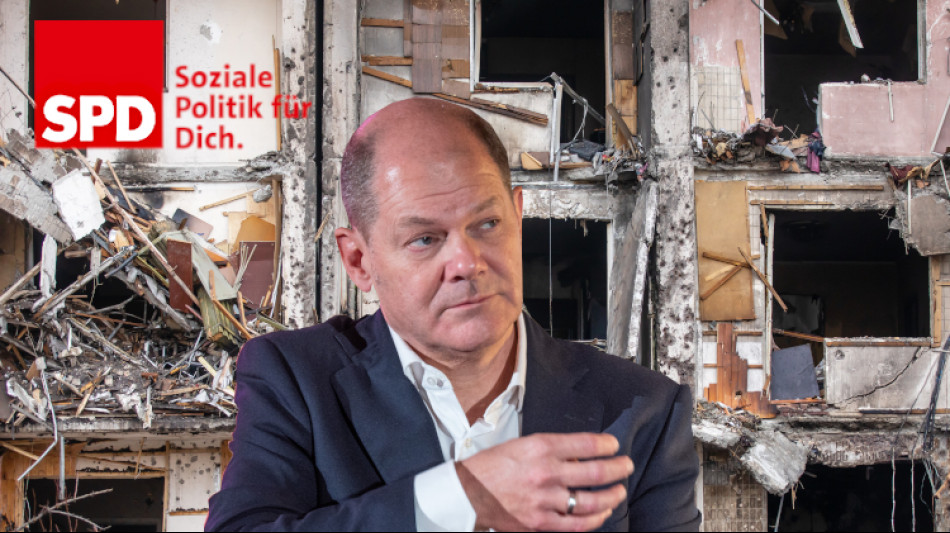
Russian fascists expand terror war in Ukraine - German Chancellor Olaf Scholz does not want to supply heavy weapons, SPD and Russia as an axis of evil?

Ukraine soon to be an EU member: Zelenskyy hands over EU questionnaire to kick start membership bid

Ukraine: Russia's terror offensive in the Donbas - war criminal Putin honours Butcha Terror Brigade

Criminal Russian terror war in Ukraine makes the price of sunflower oil skyrocket

Concern about British fighter allegedly captured by Russian terror-army in Mariupol, Ukraine
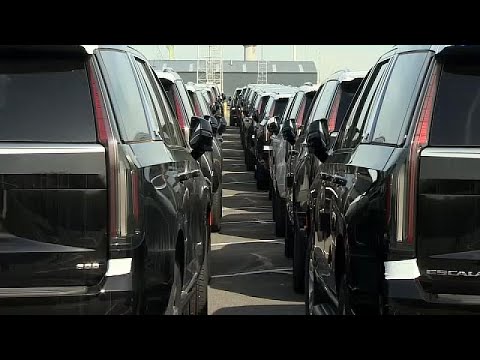
Luxury cars destined for Russia stuck in Belgium due to EU sanctions - No more Western cars for the Russian terror regime

Chancellor Scholz (SPD), wait with oil and gas sanctions until Russia has found new markets, is that the plan of your friend Gerhard Schröder (SPD)

Will Russia's terror flagship "Moskva" sink after being fired upon by Ukraine?

War crime is War crime: Fact-check - Viral mannequin video does not prove Bucha killings were staged

War crime: Cowardly Russian missile attack on Kramatorsk railway station - Selenskyj calls for global response

EU Commission President von der Leyen promises Ukraine rapid EU accession in Kiev