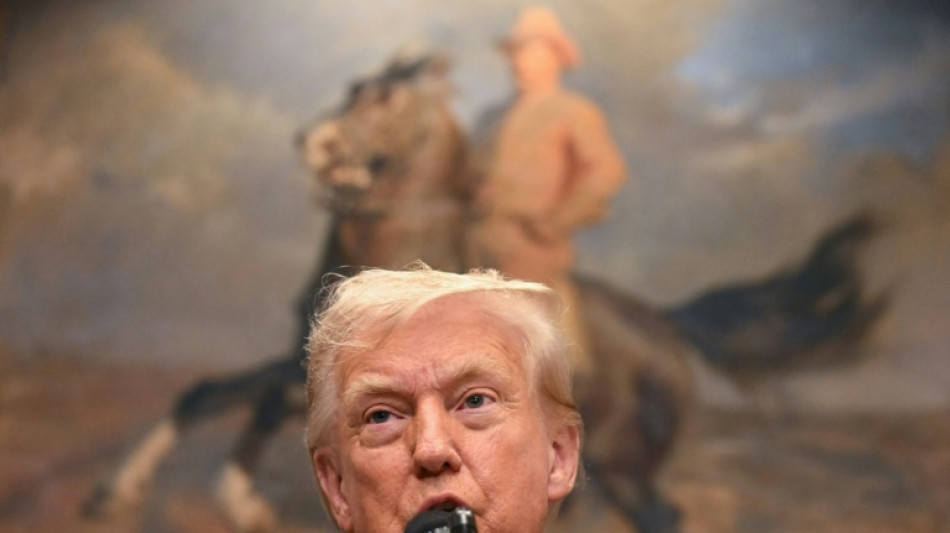
Clock ticks on US tariff hikes as Trump broadens blitz / Photo: Jim WATSON - AFP/File

 Brazil chooses between Lula and Bolsonaro in nail-biter vote

 Doha opens ninth World Investment Forum focused on future investment

 Kuwait public works minister and UK ambassador discuss closer cooperation

 Historic Ramallah olive press joins modern production with local tradition

 Hebron operation forces 373 Palestinian families from their homes

 Kuwait legal department reviews new commercial concealment law

 Ladakh declared India’s first fully organic union territory
 IRDAI gives stakeholders until October 31 to comment on distribution reforms

 Bay cyclone forecast to strike Andhra-Yanam coast at very severe strength

 Technical outlook diverges for Bharti Airtel, PFC, REC and Alkyl Amines
 J&K Bank raises accident cover for government employees to ₹1 crore

 سامسونج تدرس طرح إصدار إماراتي خاص من هاتفها القابل للطي

 شراكة إماراتية مغربية لإطلاق معرض متخصص في طب الأسنان

 نورة الكعبي تمثل رئيس الإمارات في ذكرى الثورة المجرية

 جيمي هيث.. موسيقي الجاز الذي أعاد بناء مسيرته بعد السجن
 البرازيل تصوت في جولة حاسمة بين لولا وفلافيو بولسونارو

 فرنسا تسجل أول إصابة بشرية معروفة بفيروس شاموندا

 دراسة: تناول ثمرتي كيوي قبل النوم قد يحسن جودته
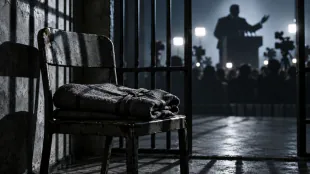
 صورة هجوم نووي على تل أبيب تدخل حملة نتنياهو الانتخابية

 مهلة أخيرة للشركات الكبرى في الإمارات لاختيار مزود الفوترة الإلكترونية

 Pinheiro Braathen wins Soelden giant slalom
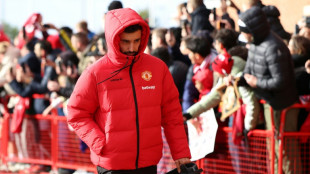 Man Utd's Fernandes dropped by Carrick after Como outburst

 محللون يقرؤون دلالات هجوم حاجز فرش الهوى في الخليل

 إغلاق مداخل مادما واقتلاع الزيتون يفاقمان خسائر المزارعين

 التفكجي: قيود الترخيص والهدم تضغط على الوجود الفلسطيني في القدس

Time is running short for governments to strike deals with Washington to avert tariff hikes that Donald Trump has vowed against dozens of economies -- and the US president continues to expand his trade wars.
As the clock ticked down on a Friday deadline for higher levies to take effect on goods from various trading partners, Trump announced a trade deal with South Korea and separate duties on Brazilian and Indian imports.
He also signed an order Wednesday to impose previously-threatened 50 percent tariffs on certain copper products and end a tariff exemption for low-value shipments from abroad.
The tariff hikes due Friday were initially announced in April as part of a package where Trump slapped a 10 percent levy on goods from almost all trading partners -- citing unfair trade practices.
This rate was set to rise to varying levels for dozens of economies like the European Union, Japan and others, but Washington twice postponed their implementation as financial markets gyrated.
So far, Britain, Vietnam, Japan, Indonesia, the Philippines, the EU and South Korea have reached initial deals with Washington to secure less punishing conditions.
While the United States and China earlier slapped escalating tariffs on each other's products, both sides are working to further a truce maintaining duties at lower levels.
- 'Big day' -
But Trump has been pushing ahead in his efforts to reshape global trade.
The US leader insisted Wednesday that the August 1 deadline "will not be extended" any further.
In a Truth Social post, he vowed that this would be "a big day for America."
Although Trump has promised a surge in government revenues from his duties, economists warn that higher tariffs can fuel an uptick in inflation and weigh on economic growth. This could change consumption patterns.
Already, consumers face an overall average effective tariff rate that is the highest since the 1930s, according to a recent analysis by The Budget Lab at Yale University.
The effect on consumer prices has been limited so far. But analysts cautioned this could become more pronounced as businesses run down on existing inventory and pass on more costs to buyers.
- Tariff blitz, delays -
Among Trump's latest announcements were a 25 percent duty on Indian goods to begin Friday -- slightly lower than previously threatened -- after talks between Washington and New Delhi failed to bring about a trade pact.
India would face an unspecified "penalty" over purchases of Russian weapons and energy as well, Trump said.
He also unveiled a 50 percent tariff on Brazilian goods, saying its government's policies and actions threaten US national security.
But he delayed its implementation from Friday to August 6 and crucially exempted many products from the prohibitive levy, including orange juice, civil aircraft, iron ore and some energy products.
Trump inked an order too for a 50 percent tariff to kick in Friday on goods like copper pipes and wiring, making good on an earlier vow to impose these duties.
But the levy, which came after a Commerce Department probe on national security grounds, was less sweeping than anticipated.
It left out products like copper ores, concentrates and cathodes, bringing some relief to industry.
Meanwhile, Seoul landed a deal with Trump in which South Korean products would face a 15 percent tariff when entering the United States -- significantly below a 25 percent level threatened.
D.Khalil--SF-PST