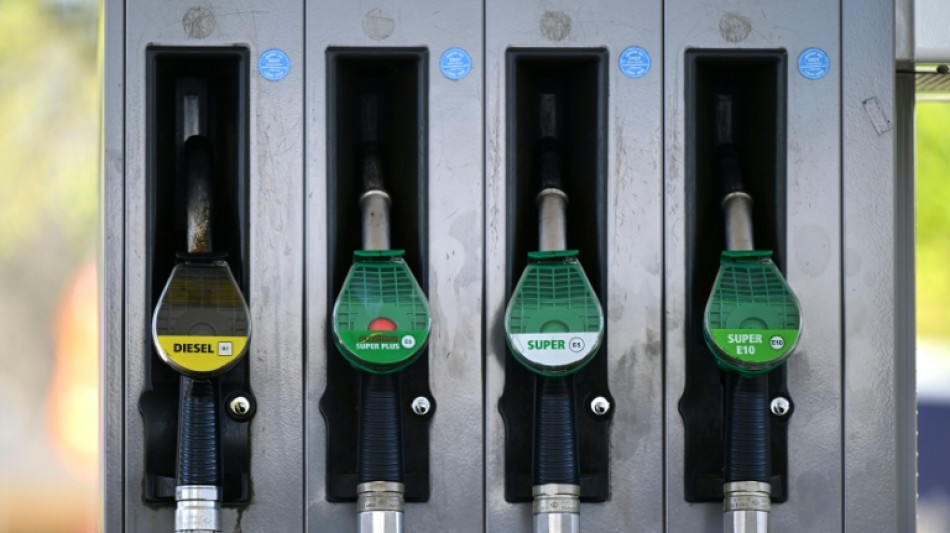
German inflation jumps in April as energy costs surge / Photo: Ina FASSBENDER - AFP

 لشركاء في ALIX LASERS يعزلون ميشائيل سوبيتش من منصب المدير العام في ضوء الظروف القائمة

 MTN’s Telkom Acquisition: Consolidation, Competition, and Regulatory Conditions

 فلسطين تحصد جائزتي "أفضل أثر عالمي" وريادة الأعمال في مسابقة إنجاز العرب

 Kubayi Warns Residents to Vacate Hijacked Buildings as State Prepares Seizures

German inflation jumped to its highest level in over two years in April as the Middle East war triggered a surge in energy costs, official data showed Wednesday.
Consumer prices in Europe's biggest economy rose 2.9 percent compared with the same month a year earlier, according to preliminary data from the federal statistics agency Destatis.
It was the highest inflation recorded in Germany since January 2024.
The figure was up from 2.7 percent in March and in line with a forecast from analysts surveyed by financial data firm FactSet.
Energy prices jumped over 10 percent in April from a year earlier, their biggest increase for over three years, although services inflation eased slightly, Destatis said.
The inflation rate was also 2.9 percent under the harmonised metric favoured by the European Central Bank.
The ECB is due to hold a meeting Thursday and, although it is not expected to lift interest rates this time, investors will be looking for hints that hikes could be in the cards for future meetings.
Dirk Schumacher, chief economist at German public lender KfW, said the decline in services inflation had stopped costs from surging too strongly in April.
Prices would however continue to rise in coming months as the energy shock accelerates, he said, while predicting that "the inflation rate will remain well below the peaks seen in 2022".
The energy shock triggered by Russia's full-scale invasion of Ukraine in 2022 helped push eurozone inflation to a record high of 10.6 percent in October of that year.
F.AbuZaid--SF-PST