
-
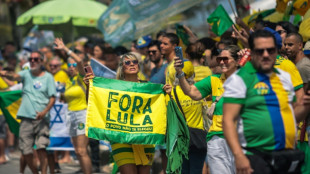 Brazil chooses between Lula and Bolsonaro in nail-biter vote
-
Inter rally late to down Fiorentina and regain Serie A lead

-
 Doha opens ninth World Investment Forum focused on future investment
-
UDST opens Fall 2027 admissions to students in Qatar and abroad

-
 Kuwait public works minister and UK ambassador discuss closer cooperation
-
Le Pen begins presidential campaign after violent protests across France

-
 Historic Ramallah olive press joins modern production with local tradition
-
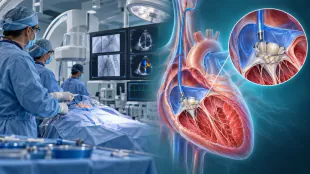
Adan Hospital launches catheter-based tricuspid valve replacement programme
-
 Hebron operation forces 373 Palestinian families from their homes
-
KIB Group nine-month profit rises 30% to KD 26.6 million

-
 Kuwait legal department reviews new commercial concealment law
-
John Catlin wins Hong Kong Open and secures first Masters invitation

-
 Ladakh declared India’s first fully organic union territory
-
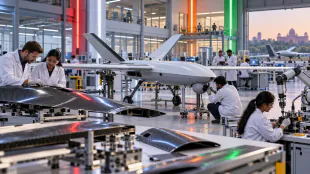
Poland’s WB Group plans $100 million India investment for drone production
-
 IRDAI gives stakeholders until October 31 to comment on distribution reforms
-
Insurance deductibles and no-claim bonuses require a careful claims decision

-
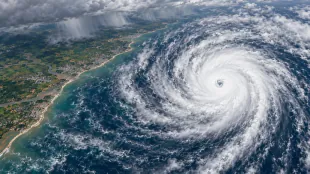 Bay cyclone forecast to strike Andhra-Yanam coast at very severe strength
-
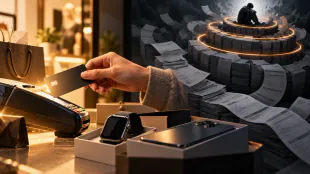
Credit-card shortcuts can turn impulse spending into lasting debt
-
 Technical outlook diverges for Bharti Airtel, PFC, REC and Alkyl Amines
-
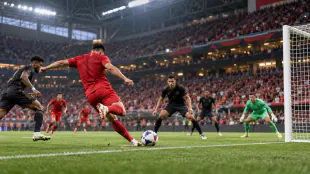
Chicago Fire rally past Atlanta United 3-2 to hold fourth place
-
 J&K Bank raises accident cover for government employees to ₹1 crore
-
إنفاق سكان الإمارات على السفر للخارج يبلغ 124.3 مليار درهم

-
 سامسونج تدرس طرح إصدار إماراتي خاص من هاتفها القابل للطي
-
شركات عائلية من دبي تدرس تجارب هونغ كونغ في الحوكمة وانتقال الثروة

-
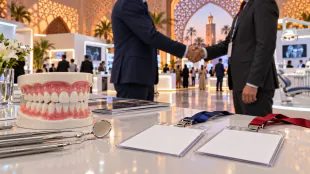 شراكة إماراتية مغربية لإطلاق معرض متخصص في طب الأسنان
-
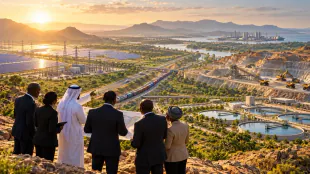
تحالف إماراتي أفريقي يدرس مشاريع الطاقة والتعدين والبنية التحتية
-
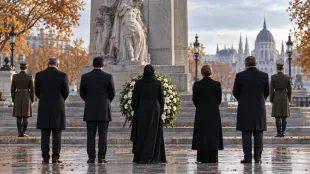 نورة الكعبي تمثل رئيس الإمارات في ذكرى الثورة المجرية
-
حرية التنقل تعيد ملف علاقة بريطانيا بالاتحاد الأوروبي إلى الواجهة

-
 جيمي هيث.. موسيقي الجاز الذي أعاد بناء مسيرته بعد السجن
-
أربع ملفات قد تتغير إذا سيطر الديمقراطيون على الكونغرس الأميركي
-
 البرازيل تصوت في جولة حاسمة بين لولا وفلافيو بولسونارو
-
الأمير علي ينتقد دعم الاتحاد الآسيوي لإنفانتينو ويطالب بالشفافية
-
 فرنسا تسجل أول إصابة بشرية معروفة بفيروس شاموندا
-
هيئة حقوقية تحذر من تهجير وهدم واسع في الخليل

-
 دراسة: تناول ثمرتي كيوي قبل النوم قد يحسن جودته
-
فيديو انتخابي لبن غفير من سجن عوفر يثير انتقادات
-
 صورة هجوم نووي على تل أبيب تدخل حملة نتنياهو الانتخابية
-
نازحو مخيم الإسراء في غزة يواجهون نقص الغذاء وتراجع المساعدات

-
 مهلة أخيرة للشركات الكبرى في الإمارات لاختيار مزود الفوترة الإلكترونية
-
كأس الإمارات للناشئين يعزز مسار اكتشاف مواهب الغولف

-
 Pinheiro Braathen wins Soelden giant slalom
-
Serbia on track for high turnout as students challenge ruling party
-
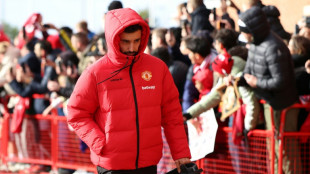 Man Utd's Fernandes dropped by Carrick after Como outburst
-
سبعة قتلى في غارات إسرائيلية متفرقة على قطاع غزة

-
 محللون يقرؤون دلالات هجوم حاجز فرش الهوى في الخليل
-
شح الطحين يطيل طوابير الخبز في خان يونس

-
 إغلاق مداخل مادما واقتلاع الزيتون يفاقمان خسائر المزارعين
-
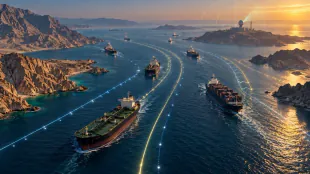
عراقجي: ترتيبات إدارة مضيق هرمز ستخضع لمراجعة جديدة
-
 التفكجي: قيود الترخيص والهدم تضغط على الوجود الفلسطيني في القدس
-
اقتحامات لمنازل أسرى محررين وعائلات مبعدين في القدس

European Union resigned to 15 percent US tariff
The United States and European Union clinched a trade agreement on Sunday that will see EU exports taxed at 15 percent, in a bid to resolve a transatlantic tariff stand-off that threatened to explode into a full-blown trade war.
US President Donald Trump emerged from a high-stakes meeting with European Commission President Ursula von der Leyen at his golf resort in Scotland, describing the deal as the "biggest-ever".
The deal, which the leaders struck in around an hour, came as the clock ticked down on an August 1 deadline to avoid an across-the-board US levy of 30 percent on European goods.
"We've reached a deal. It's a good deal for everybody. This is probably the biggest deal ever reached in any capacity," said Trump.
Trump said a baseline tariff of 15 percent would apply across the board, including for Europe's crucial automobile sector, pharmaceuticals and semiconductors.
As part of the deal, Trump said the 27-nation EU bloc had agreed to purchase "$750 billion worth of energy" from the United States, as well as make $600 billion in additional investments.
Von der Leyen said the "significant" purchases of US liquefied natural gas, oil and nuclear fuels would come over three years, as part of the bloc's bid to diversify away from Russian sources.
Negotiating on behalf of the EU's 27 countries, von der Leyen had been pushing hard to salvage a trading relationship worth an annual $1.9 trillion in goods and services.
"It's a good deal," the EU chief told reporters.
"It will bring stability. It will bring predictability. That's very important for our businesses on both sides of the Atlantic," she said.
She added that bilateral tariff exemptions had been agreed on a number of "strategic products", notably aircraft, certain chemicals, some agricultural products and critical raw materials.
Von der Leyen said the EU still hoped to secure further so-called "zero-for-zero" agreements, notably for alcohol, which she hoped to be "sorted out" in coming days.
Trump also said EU countries -- which recently pledged to ramp up their defence spending within NATO -- would be purchasing "hundreds of billions of dollars worth of military equipment."
- 'Best we could get' -
The EU has been hit by multiple waves of tariffs since Trump reclaimed the White House.
It is currently subject to a 25-percent levy on cars, 50 percent on steel and aluminium, and an across-the-board tariff of 10 percent, which Washington threatened to hike to 30 percent in a no-deal scenario.
The bloc had been pushing hard for tariff carve-outs for critical industries from aircraft to spirits, and its auto industry, crucial for France and Germany, is already reeling from the levies imposed so far.
"Fifteen percent is not to be underestimated, but it is the best we could get," acknowledged von der Leyen.
Any deal will need to be approved by EU member states -- whose ambassadors, on a visit to Greenland, were updated by the commission Sunday morning. They were set to meet again after the deal struck in Scotland.
German Chancellor Friedrich Merz rapidly hailed the deal, saying it avoided "needless escalation in transatlantic trade relations".
But German exporters were less enthusiastic. The powerful BDI federation of industrial groups said the accord would have "considerable negative repercussions" while the country's VCI chemical trade association said the accord left rates "too high".
Ireland, one of the EU's top exporters to the United States, said Sunday it welcomed the deal for bringing "a measure of much-needed certainty", but that it "regrets" the baseline tariff, in a statement by its Department of Foreign Affairs and Trade.
The EU had pushed for a compromise on steel that could allow a certain quota into the United States before tariffs would apply.
Trump appeared to rule that out, saying steel was "staying the way it is", but the EU chief insisted later that "tariffs will be cut and a quota system will be put in place" for steel.
- 'The big one' -
While 15 percent is much higher than pre-existing US tariffs on European goods, which average around 4.8 percent, it mirrors the status quo, with companies currently facing an additional flat rate of 10 percent.
Had the talks failed, EU states had greenlit counter tariffs on $109 billion (93 billion euros) of US goods, including aircraft and cars to take effect in stages from August 7.
Trump has embarked on a campaign to reshape US trade with the world, and has vowed to hit dozens of countries with punitive tariffs if they do not reach a pact with Washington by August 1.
Asked what the next deal would be, Trump replied: "This was the big one. This is the biggest of them all."
burs-gv/tc/lb
E.Aziz--SF-PST