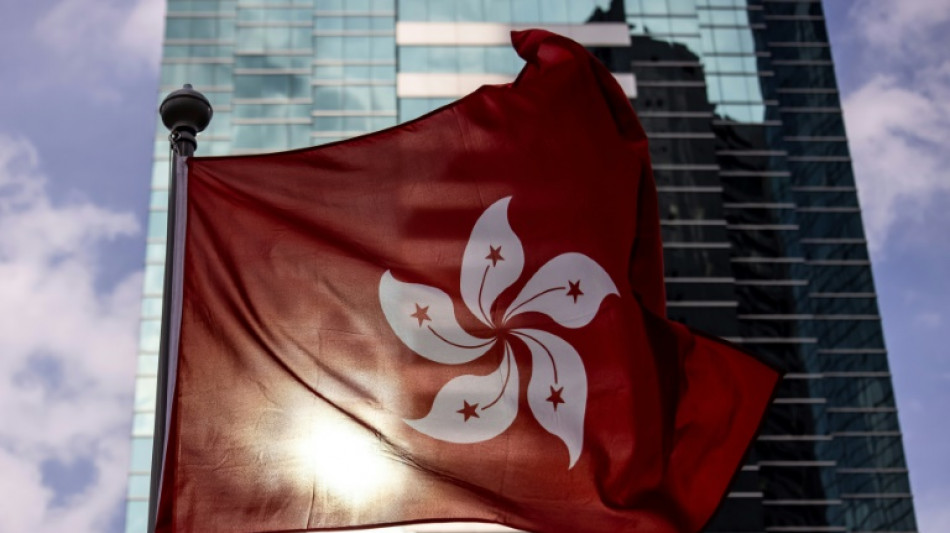
Hong Kong unveils new national security law with tough penalties / Photo: Isaac LAWRENCE - AFP

 NBA close to picking new $12-13bn Vegas team owners: report

 LA28 Olympics torch relay to visit all 50 states

 Spain brush aside Croatia in Nations League, England down Czechs

 Trump hails 'morally binding' AI self-regulation pledge
 Yamal inspires Spain to Croatia romp on World Cup homecoming

 UN to hold fourth informal poll of secretary-general candidates

 Who are the Emiratis behind crisis-hit Manchester City?

 Singer Angelique Kidjo urges Africans to 'create together'

 Alleged Rihanna mansion shooter mentally fit for trial, says judge

 Mystery over UK airbase scare as police find petrol not explosives

 OpenAI unveils low-cost AI model, a day after shelving Astra upgrade

 Premier League confirms Man City guilty of serious financial breaches

 Brazil's Lula turns to Bad Bunny tune to criticise Trump ahead of polls

 Nigerian dancer eyes world record after seven-day marathon

 Swiss regulator concludes Julius Baer bank probe

 Brazil's patron saint pulled into latest election scrap

 Football overload leaves players near 'breaking point', warns Tebas

 Paris Eiffel Tower says chief to step down after uproar over removing women staff

 Amaze Holdings (NYSE: AMZE) Executes Binding LOI to Acquire BullionFX | Alchemy, a Decentralized Gold-Backed Financial Ecosystem for Valued at US$155 Million
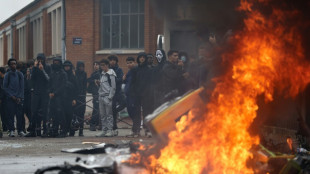 Clashes between French teens, police as school blockades intensify

 Stocks move sideways despite oil moving lower

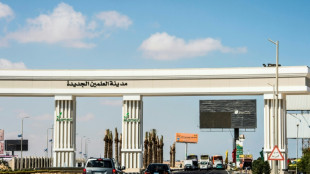 African leaders to gather in Egypt for business summit

 UK decides against charging foreign visitors for museums

 Dallaglio to sell England World Cup winners' medal

 Brazil come from behind to beat Australia 4-2 in friendly

Hong Kong on Friday introduced the draft bill of a new national security law that includes life sentences for major offences such as treason and insurrection.
The homegrown legislation is set to become the city's second national security law, following the one Beijing imposed in 2020 after quashing huge and sometimes violent democracy protests.
The "Safeguarding National Security Bill" was formally introduced at the city's rubber-stamp legislature on Friday morning for vetting.
Security chief Chris Tang told lawmakers there was a "genuine and urgent need" for the new law.
"Hong Kong has undergone serious threats to national security, especially the colour revolution and black-clad violence in 2019, which was an unbearably painful experience," he said, referring to the democracy protests.
Legislative Council president Andrew Leung vowed lawmakers would "spare no effort and work together to plug the national security loophole as soon as possible".
The bill lists five new categories of offences -- treason, insurrection, espionage and theft of state secrets, sabotaging national security, and external interference.
Authorities have proposed life imprisonment as the maximum penalty for treason, insurrection, sabotage endangering national security, and incitement of members of China's armed forces to mutiny.
The bill also reworks Hong Kong's colonial-era crime of "sedition" to cover inciting hatred against China's Communist leadership and socialist system while upping the maximum penalty from two years to 10 years.
Under the proposed bill, authorities could apply to the court to detain an arrested person for up to 16 days without charge and bar them from consulting with lawyers during their detention.
As with its predecessor, the proposed new security law states that offences committed outside Hong Kong fall under its jurisdiction.
In a section closely watched by Hong Kong's foreign business community, the draft proposes a multipronged definition of "state secrets" that covers not only technology but "major policy decisions" and the city's "economic and social development".
The draft bill also criminalises the unlawful acquisition, possession and disclosure of state secrets, though it offers a "public interest" defence under specific conditions.
- Fast-tracked process -
Hong Kong authorities have fast-tracked the bill, which was unveiled nine days after a one-month public consultation ended.
In response to the draft, the British consulate in Hong Kong on Friday urged the government "to allow time for proper legislative scrutiny" and urged that the law "align with international standards and uphold basic rights and freedoms".
City leader John Lee earlier said the city was fulfilling its "constitutional responsibility" by creating its own security law as required under Article 23 of the Basic Law, Hong Kong's mini-constitution since its handover from Britain to China in 1997.
Previous objections and concerns over potential rights infringements raised by local and overseas activists as well as some Western countries were rejected by Hong Kong officials as "deliberate smearing".
Critics say the existing security law has already eviscerated Hong Kong's political opposition and civil society, with pro-democracy politicians and activists jailed, forced into exile or silenced.
Nearly 300 people have been arrested and more than 170 charged since the Beijing-imposed security law came into force.
B.Mahmoud--SF-PST