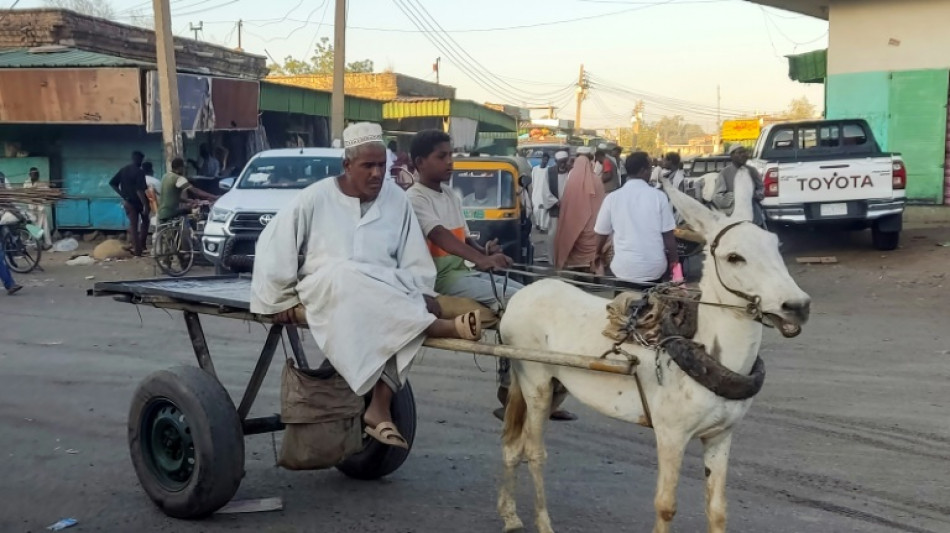
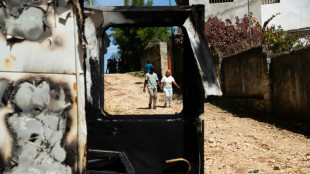
War-weary Sudanese without fuel turn to donkey carts / Photo: - - AFP

 One third of world population exposed to harmful air pollution: monitor
 North Korea denies South's claim it was apparently behind DMZ mine blasts

 West Bank's violent settlers part of a new generation fuelled by ideology

 US-led coalition ends mission in Iraq
 Pope-backed White Sox join Braves with MLB playoff wins

 NBA close to picking new $12-13bn Vegas team owners: report
 LA28 Olympics torch relay to visit all 50 states
 Spain brush aside Croatia in Nations League, England down Czechs
 Trump hails 'morally binding' AI self-regulation pledge
 Yamal inspires Spain to Croatia romp on World Cup homecoming

 UN to hold fourth informal poll of secretary-general candidates
 Who are the Emiratis behind crisis-hit Manchester City?

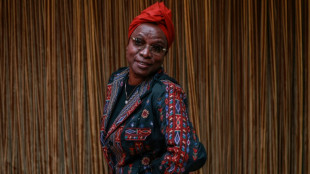 Singer Angelique Kidjo urges Africans to 'create together'

 Alleged Rihanna mansion shooter mentally fit for trial, says judge
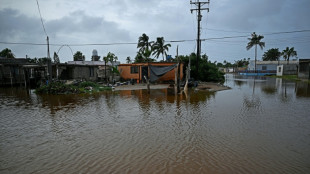
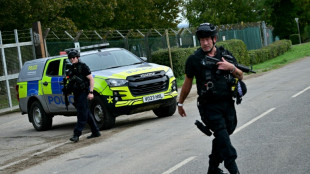 Mystery over UK airbase scare as police find petrol not explosives
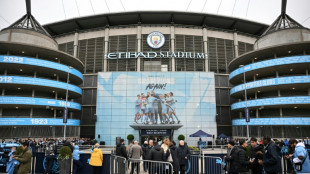
 OpenAI unveils low-cost AI model, a day after shelving Astra upgrade
 Premier League confirms Man City guilty of serious financial breaches
 Brazil's Lula turns to Bad Bunny tune to criticise Trump ahead of polls
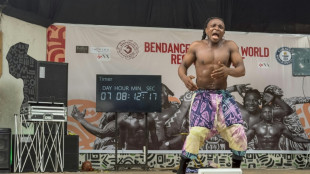 Nigerian dancer eyes world record after seven-day marathon
 Swiss regulator concludes Julius Baer bank probe
 Brazil's patron saint pulled into latest election scrap

 Football overload leaves players near 'breaking point', warns Tebas
 Paris Eiffel Tower says chief to step down after uproar over removing women staff
 Amaze Holdings (NYSE: AMZE) Executes Binding LOI to Acquire BullionFX | Alchemy, a Decentralized Gold-Backed Financial Ecosystem for Valued at US$155 Million
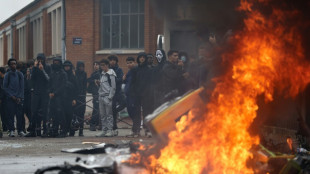 Clashes between French teens, police as school blockades intensify
In war-torn Sudan, where chaos and fuel shortages have ground normal motor traffic to a halt, people once more rely on donkey carts -- even for urgent trips to the hospital.
In a small town south of the capital Khartoum, Hussein Ali has been busy carting patients to a clinic on a rickety wooden carriage that now serves as an ambulance.
"Just an hour ago, I brought a woman who went into labour in a village 15 kilometres (nine miles) away," Ali told AFP near a clinic in Tamboul, Al-Jazira state.
"The carriage is the only way to get patients from villages to the hospital," he said of his vehicle, called a "caro" in Sudanese Arabic and now once more a common sight in many states.
Sudan has been rocket by a brutal war that has killed thousands -- including up to 15,000 in a single Darfur town, according to UN experts -- and displaced millions since last April.
The conflict has pitted the regular army of de facto leader Abdel Fattah al-Burhan against the paramilitary Rapid Support Forces (RSF) of his former deputy, Mohamed Hamdan Daglo.
Burhan's government has retreated east to Port Sudan, while the RSF now controls much of Khartoum, nearly the entire western Darfur region and much of the country's south.
When the RSF in December overran central Al-Jazira state, until then a relative safe haven, nearly half a million people fled, many for the second or third time.
But millions more, who were unable or unwilling to leave, remain trapped there, enduring insecurity, dire shortages and a deepening health crisis.
- Roadblocks and no petrol -
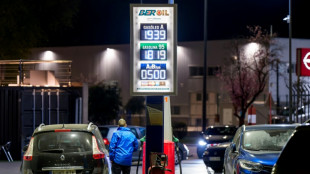
Civilians have also been left stranded without regular road transport as the RSF has set up checkpoints and petrol stations have run dry.
Since the RSF rolled in, fuel suppliers from army-controlled areas "have not resupplied petrol stations in Al-Jazira", said a petrol station worker who requested anonymity.
The price for scarce fuel rose 20-fold to 25,000 Sudanese pounds or about $20 a litre.
When the RSF conquers new territory, its fighters are known to commandeer homes, businesses and vehicles.
A local bus driver, Al-Taher, said that "when the RSF took over the area, I hid my bus so it wouldn't be stolen".
Al-Taher said he too has shifted to driving a donkey cart. He was speaking on condition of being identified by one name only for fear of retaliation.
He now mostly takes passengers on a six-kilometre trip between his village and Rufaa, a town 40 kilometres north of the state capital Wad Madani.
At any rate, he doesn't have a choice. "Even if I did take my bus out, there are no petrol stations to get fuel from," Al-Taher said.
Also impacted is village shop-owner Bakri Khaled, who said he now has to pay for a bumpy 13-kilometre ride on a horse-drawn cart every day to the market in Tamboul.
"Since the war came here, this horse-drawn carriage is the only way to get groceries to my store in the village," he told AFP.
He said that what used to be a 15-minute truck ride can now take more than two hours, and that the price of the journey has doubled.
One of the few businessmen to see a benefit was donkey and horse trader Abdelrahman Al-Zein.
Rising demand in recent times, he said, has seen "the prices of donkeys, horses and carts all increasing".
B.Khalifa--SF-PST