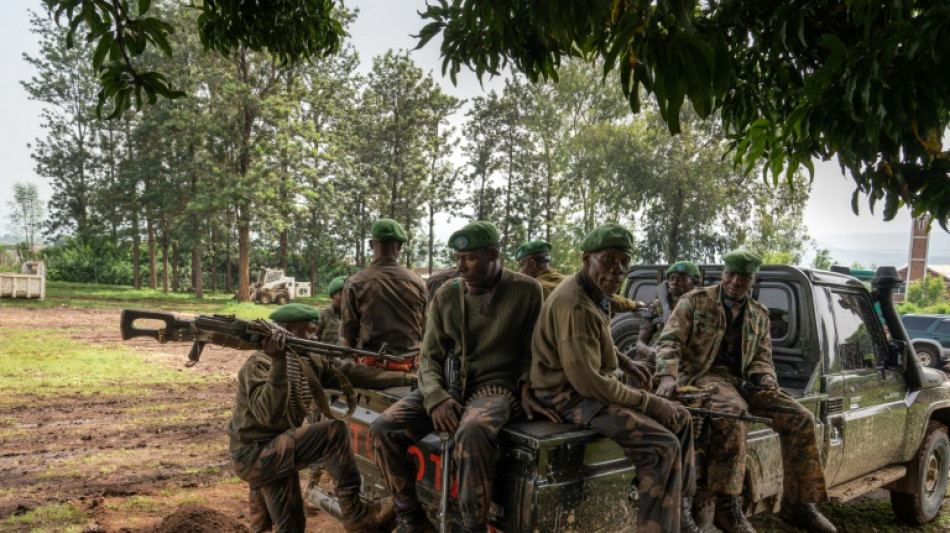
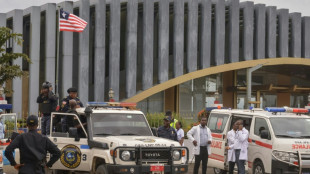
UN peacekeepers begin pullout from war-torn DR Congo / Photo: Glody MURHABAZI - AFP

 Dangote to launch $16bn refinery in Kenya
 North Korean leader 'extremely obese': Seoul spy agency
 Yankees and pope-backed White Sox start MLB playoffs with wins
 Malaysia's ex-PM Mahathir in hospital for observation
 'No limits': Marathon world record holder Sawe chasing history
 Countdown begins to biggest-ever Rugby World Cup
 Bangladesh women lose ground after quota reform
 Vietnam admits 'differing opinions' on Hanoi development
 Stocks temper gains as oil pares heavy losses, US data in focus
 New Zealand denies breaching climate commitments to EU
 Albert becomes youngest US scorer in 4-2 win over Chile
 Pirate island's plunging population shows Greece's demographic decline
 With elections ahead, Latvia's Russian-speakers reject Moscow's help
 Brazil football clubs face massive sponsorship blow from betting ban
 ChatGPT maker wants to be the App Store for AI as safety concerns grow
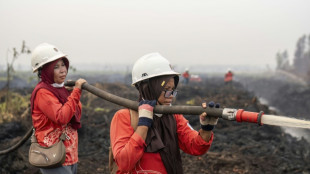 Women fight fires and sexism in Indonesian Borneo

 Forsling's OT blast lifts Florida over Carolina in NHL opener

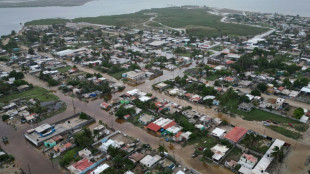 Hurricane Polo sweeps over Mexico's Pacific coast, heads inland
 Grynspan pulls ahead in race to lead UN: diplomat

 Trump touts AI boss pledge to self-regulate
 Oil down, but stocks lower as bond yields rise
 England break down stubborn Czechs to claim first Nations League win
 UN Security Council extends Haiti anti-gang force by 6 months

 Manchester City guilty of Premier League charges: What comes next?
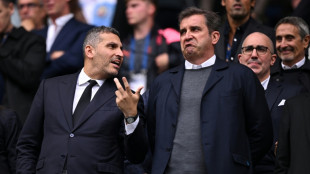 Man City chief Soriano slams Premier League 'conspiracy theory'
The United Nations on Wednesday started pulling peacekeepers out of Democratic Republic of Congo, moving to end a 25-year presence as conflict surges in the east of the long-troubled African state.
DR Congo demanded the withdrawal of the remaining 13,500 troops and 2,000 police in regions bordering Rwanda and Burundi despite international concerns over rampant violence.
At an official ceremony at the Kamanyola base in South Kivu province, the first to be handed over, the flags of the United Nations and the Pakistan peacekeepers at the base, were replaced by those of the DR Congo.
National police have taken charge and the UN representative in the country, Bintou Keita, said this would be the model for the withdrawal from all UN bases.
The UN Stabilisation Mission in DR Congo, or MONUSCO, was set up in 1999 in a bid to halt the second DR Congo war which pitted local forces backed by Angola, Namibia and Zimbabwe against a rival force supported by Uganda and Rwanda.
At its peak there were 20,000 UN troops in the giant country. More than 270 MONUSCO peacekeepers have been killed, according to UN figures.
Kinshasa has long accused the UN force of failing to protect civilians from the armed groups that have plagued the east of the country for three decades.
Hundreds of thousands of deaths are blamed on the succession of conflicts since the 1990s. About six million people have been displaced.
The UN Security Council voted in December to accede to Kinshasa's demand and start a gradual shutdown of MONUSCO.
Foreign Minister Christophe Lutundula has said he wants the withdrawal completed by the end of this year, though the UN Security Council has not fixed a date.
The troops are based in Ituri, South Kivu and North Kivu provinces which have suffered most over the decades.
The disengagement is to be carried out in three phases.
Phase one will see the departure of peacekeepers from 14 bases in South Kivu by the end of April. North Kivu and Ituri will follow.
It's a "historic moment", MONUSCO commander in chief General Diouf Khar said in a speech.
"We began with Kamanyola because there is stability here which allows us to leave," Keita told reporters.
-'Security vacuum' -
In Kamanyola, with a population of about 100,000, opinions appeared divided on the pullout.
Ombeni Ntaboba, head of a local youth council, said he was not concerned.
Every evening, he said, "we see them out in their armoured vehicles around the Ruzizi plain", where armed groups operate along the border.
"But the level of insecurity is still the same, with armed robberies and kidnappings."
"We salute the Congolese government's decision," said Mibonda Shingire, a rights activist, who still admitted fearing the impact on the economy as MONUSCO employs so many civilians.
Others, like Joe Wendo, said they were worried about a "security vacuum" with the Pakistani troops gone.
"Their presence at least protected us from the Rwandan invaders," he said.
Tutsi-led M23 rebels have taken swathes of territory in neighbouring North Kivu.
Intense fighting resumed last month around Goma, North Kivu's capital.
Kinshasa, the United Nations and Western countries say Rwanda supports the M23 in a bid to control the vast mineral resources in the region. Rwanda denies any role.
Local people have also criticised the UN troops.
And MONUSCO's leadership recently had to highlight its role that "supports Congo's armed forces... defends its positions... facilitates secure passage for civilians".
"The departure of the MONUSCO blue helmets concerns us, at a time when the country is at war with the rebels backed by our Rwandan neighbours," said Beatrice Tubatunziye, who leads a development association in Kamanyola.
The United Nations has insisted DR Congo security forces must be reinforced and take care of civilians at the same time as MONUSCO pulls out.
Z.Ramadan--SF-PST