
'Bleak picture': AU leaders urged to tackle litany of crises / Photo: Michele Spatari - AFP

 XPENG Launches Two New Models in UK; Pony.ai Robotaxi Enters Pilot

 وفاة السيد محمد عثمان الميرغني ودفنه في الخرطوم بحري بعد مسيرة سياسية ودينية حافلة
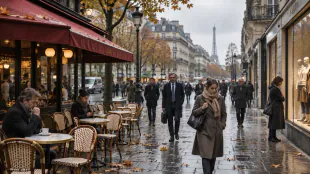 French Economy Shrinks 0.1% as Consumer Confidence Slumps
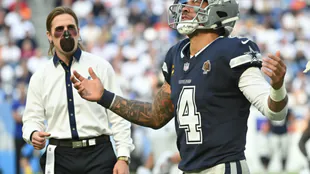 NFL Week 11 Early Predictions: Titans vs. Cowboys and 49ers vs. Vikings Picks

 تحذيرات من نفاد مخزونات الغاز في ألمانيا بحلول 2027

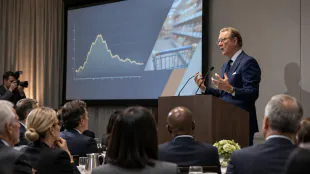 Kansas City Fed Chief Says Inflation Is Still Running Too Hot

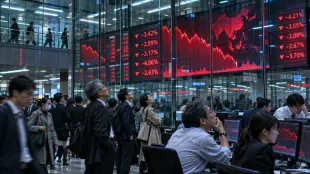 Asian Markets Slide as AI Concerns Hit Chip Stocks
 Tom Brady’s Viral Reaction to Deebo Samuel’s Trick-Play Touchdown
 Canada Signals Openness to Chinese Automakers if US Trade Talks Fail
 US Mortgage Rate Falls for Fourth Week but Remains Above 7%

 US Jobless Claims Rise to 200,000 but Layoffs Remain Historically Low

 Euro-Area Growth Slows to 0.4% While Employment Stalls
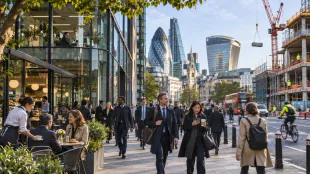 UK Economy Grows 0.7% in Third Quarter as Services Lead Expansion

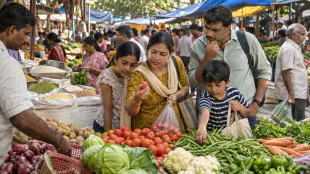 India's Retail Inflation Reaches 6.09% as Food Prices Accelerate
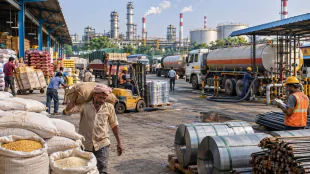
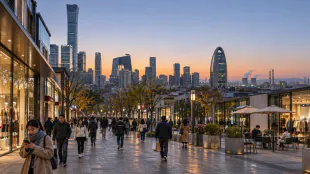 China's October Activity Data Reveal a Weak Start to the Fourth Quarter
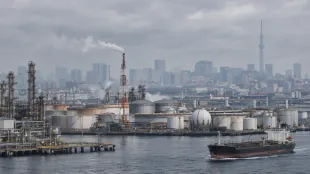
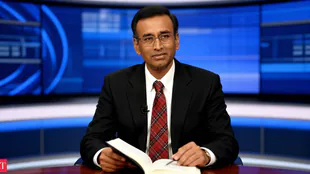 Nobel Laureate Venkatraman Ramakrishnan’s Journey from Academic Setbacks to Scientific Triumph
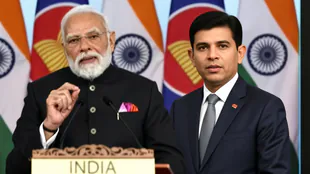
 استقرار أسعار الذهب مع ترقب المستثمرين لقرارات الفائدة الأمريكية
African leaders were urged Saturday to step up and tackle the myriad conflicts and political crises blighting the continent of 1.4 billion people.
Opening the African Union's two-day summit, AU Commission chief Moussa Faki Mahamat painted a "bleak picture" with a "litany of difficulties" confronting many countries.
Faki blasted a failure to counter multiple "unconstitutional changes of government", following a string of coups in West Africa and warned the scourge of "terrorism" was diverting money away from vital social needs to military spending.
Sudan was "bruised, torn, sinking into chaos," Faki said, while Libya was divided and exposed to external interference, and the Sahel was facing a dangerous vacuum.
The Great Lakes region of central Africa was, he said, witnessing a worsening of its "eternal crises" fuelled by the conflict in the eastern Democratic Republic of Congo.
"Africa cannot remain arms folded and not work to promote genuine peace in the region," Faki added.
A mini-summit looking at ways to relaunch the peace process for the DRC -- attended by Congolese leader and his Rwandan rival -- opened Friday on the sidelines of the main AU meetings and was due to continue on Saturday.
Gabon and Niger were absent from the summit following their suspension over coups last year -- joining Mali, Guinea, Sudan and Burkina Faso, which are also barred for similar reasons.
But the 55-member bloc has long been criticised for being ineffectual and taking little decisive action in the face of numerous conflicts and power grabs.
- 'Challenges not diminished' -
Faki voiced worries about the crisis in Senegal, set off by President Macky Sall's last-minute move to push back this month's elections in a country usually considered a beacon of democracy in West Africa.
But he said he hoped for a "spirit of consensus" to organise "inclusive, free and transparent elections as quickly as possible" after the Constitutional Council overruled Sall's move.
Faki also spoke of "worrying trends" in the Horn of Africa, where tensions are high after AU host nation Ethiopia infuriated Somalia with a deal with the breakaway region of Somaliland to give it long sought-after access to the sea.
"Our main challenges have not diminished in importance," Faki said, pointing also to political instability, climate change, poverty, "deficits" in economic governance and marginalisation of women and young people in development and leadership.
Ahead of the summit, Nina Wilen, director of the Africa programme at the Egmont Royal Institute for International Relations think tank in Brussels, said she did not expect any strong decisions by the AU.
The body has so far had "very little influence on countries that have suffered recent coups", she said, adding that member states did not want to set precedents that could clash with their own interests.
Beyond Africa, the Israel-Hamas conflict in Gaza was a hot topic, with Palestinian prime minister Mohammad Shtayyeh among those attending from outside the region.
- 'States looking inward' -
The bloc managed to avoid a crisis on another front by defusing tensions over the one-year rotating AU chairmanship, which was transferred Saturday from Comoros President Azali Assoumani to Mauritanian President Mohamed Ould Ghazouani.
The succession had long been blocked by a dispute between Morocco and Algeria, highlighting internal divisions within the AU even as it seeks to have a stronger voice on the global stage, including in the G20 grouping which it joined in September.
Portending more challenges, 19 presidential or general elections are scheduled on the continent this year.
"The AU has ambitious institutional commitments and tools for mediation and peacekeeping but lacks the political and financial strength to make the most of them," the International Crisis Group said in a briefing note.
"Member states are looking inward, closely protecting their sovereign prerogatives rather than investing in collective security."
Another major subject of discussion at the summit is expected to be how the AU will transition to relying on African states to fund most of its budget rather than foreign donors.
The UN Security Council in December adopted a resolution to finance AU-led peace missions, but capped it at 75 percent of the budget.
F.AbuShamala--SF-PST