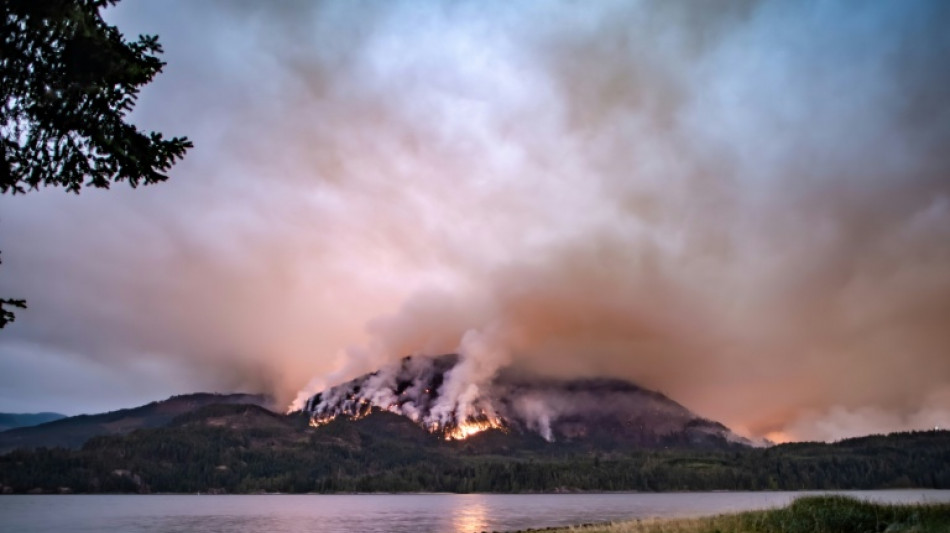
Progress stalled on Canada's pollution reduction goal / Photo: Colby Rex O'Neill - AFP/File

 مصلحة مياه القدس توحّد جهودها مع بلديات الرام ومخماس لتعزيز استدامة المياه

 Saudi PIF Retains Top Sovereign Wealth Fund Brand Title for Third Year

 Binance Secures $6.5 Billion Asset-Freezing Order from Abu Dhabi Court

 Malta PM Abela Refuses Parliamentary Question on Maritime Borders Amid Turkey-Libya Deal

 محافظ طولكرم يدعو لمبادرة مجتمعية لخفض تكاليف الأعراس وتعزيز التكافل
The Canadian Climate Institute said Thursday the country's efforts to reduce greenhouse gas emissions "flatlined" in 2024, and it may not meet its 2030 climate goals.
"Emissions trends indicate Canada's 2030 emissions reduction target is now out of reach given weakening policy momentum across the country," the institute said in a statement accompanying its latest emissions data report.
In 2021, Ottawa committed to a goal of reducing greenhouse gas emissions to 40 to 45 percent below 2005 levels by 2030.
Canada's emissions remained just 8.5 percent below 2005 levels in 2024, "roughly the same level they were at in the previous year," the data showed.
"Emissions trends show Canada's emissions are on track to be just 20 to 25 percent below 2005 levels in 2030. This outcome falls far short of the legislated target," the institute wrote.
Essentially, the increase in polluting emissions in the oil and gas sectors cancels out the modest progress in sectors like electricity and buildings, the report said.
The statement noted that climate change makes wildfires bigger, hotter, and more frequent. The total area consumed by wildfires in Canada thus far this year exceeds the size of Austria.
Since being sworn in this past March, Prime Minister Mark Carney has faced strong criticism from environmentalists and advocacy organizations for his climate decisions.
Hours after taking office he abolished the carbon tax for consumers, a flagship climate policy of his predecessor Justin Trudeau.
He has also fast-tracked construction of industrial mega-projects and suspended sales quotas for electric vehicles.
Carney has repeatedly stated he wants to make Canada an "energy superpower," using both fossil fuels and renewable energy.
J.AbuShaban--SF-PST



