-
 Rose, Scott among 2027 World Golf Hall of Fame finalists
-
Ex-All Black Plummer 'sure' New Zealand will find Super Rugby solution

-
 Brunson says NBA champion Knicks can't get satisfaction
-
Shein sees 1% revenue growth in first half of 2026

-
 France puts out largest wildfire since 1949
-
Netherlands regrets Israel retaliation in settlements row

-
 Real Madrid's Perez summoned over Barcelona referee payments comments
-
Moscow seizes Russian assets of German food retailer Metro

-
 Oil takes off again, Wall Street dips after Trump rejects Iran truce offer
-
Bulgarian spirits inflamed by new rakia rules
-
 AlgoQuant Asset Management Selects Liquid Mercury to Enhance Digital Asset Trading Infrastructure
-
Documentary turns camera on architect Peter Zumthor
-
 UK to reopen refugee resettlement scheme to push 'safe' migration
-
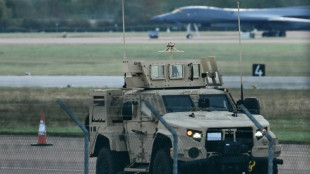
UK police say releasing on bail five men held over airbase incident
-
 Pope urges Europe to help combat 'lies and deceit' in world affairs
-
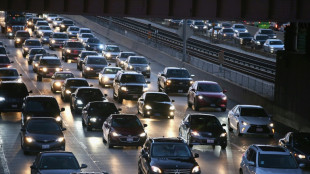
Trump admin finalizes reversal of US fuel economy standards
-
 Iranian lawyer Nasrin Sotoudeh wins Council of Europe's rights prize
-
US says no China arms sale plans after envoy cites Trump offer

-
 French far-right's Bardella denies alleged 2013 antisemitic comments
-
Dozens kidnapped in two weekend attacks in northern Nigeria

-
 Oil up, Wall Street dips after Trump rejects Iran truce offer
-
Next stop the world: Pathirage wins Asian Games javelin gold

-
 Gakpo withdraws from Netherlands squad
-
Aster Launches Perpetual Grid Trading 2.0 with Up to 140,000 $ASTER Liquidity Mining Campaign

-
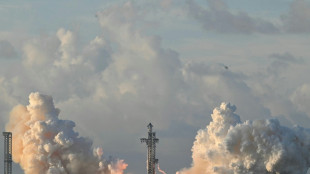 SpaceX puts Starship megarocket in orbit for first time
-
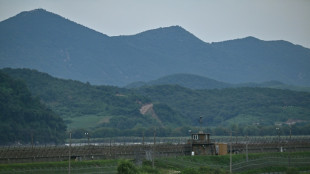
Seoul says North Korean mines 'highly suspected' as cause of DMZ blast
-
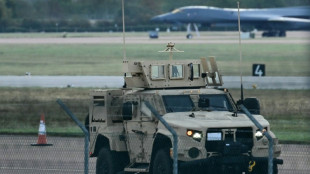 Iran denies link to suspected bomb plot at UK airbase used by US
-
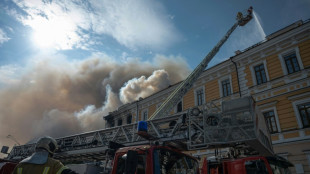
Russia pummels Kyiv in latest deadly daytime attack
-
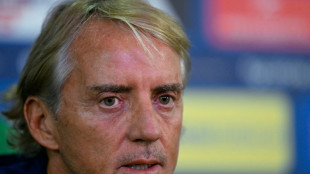 Ex-boss Mancini says City charges 'not my concern'
-
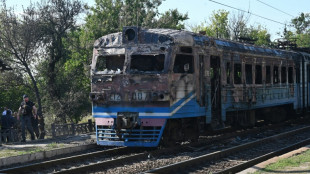
Wartime Ukraine works to keep its railways on track
-
 Berlin Marathon winner Assefa finished race with torn Achilles
-
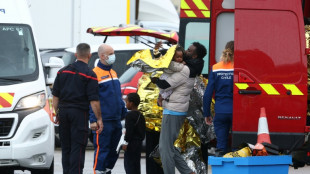
Boy among 3 dead in migrant Channel crossing accident: French authorities
-
 Comedian convicted for Erdogan 'insult' but freed pending appeal
-
SGFX Creates a Standout Brand Experience at Forex Expo Dubai 2026

-
 French prosecutors seek two-year sentence for ex-minister Dati in graft case
-
Pope urges Europe to help combat 'deceit and lies' in international ties

-
 Eala makes fast start as weather and transport woes hit Asian Games
-
Injured Buttler to miss England ODI series in Pakistan

-
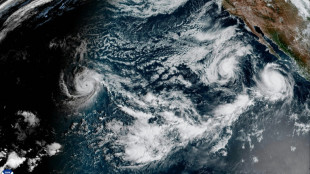 Hurricane Polo approaches Mexico, threatens severe damage
-
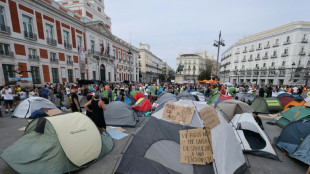
Madrid housing protesters vow to maintain pressure on government
-
 Energy markets rally after Trump rejects Iran truce offer
-
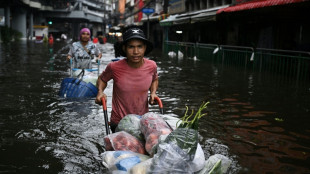
In kayaks or waist-deep in floodwater, shoppers return to Bangkok markets
-
 Japanese convenience store enlists Lady Gaga to bolster recruitment
-
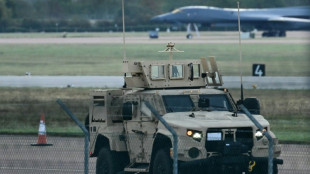
UK police probes Iran link to air base bomb scare: media
-
 Seoul summons Ukraine envoy in row over North Korean POWs
-
Eala blasts into Asian Games quarters in just 55 minutes

-
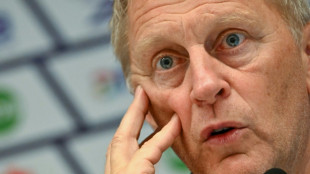 Ireland 'raised awareness worldwide' in Israel game: Hallgrimsson
-
Taiwan gender-row boxer Lin Yu-ting guarantees Asian Games medal

-
 Colombian police capture wife, daughter of Ecuador drug lord
-
Comedian on trial for allegedly insulting Erdogan in standup show

Rock and ice prevent rescue work after Swiss glacier collapse
Swiss authorities said Thursday that rock and ice piles from a collapsed glacier that destroyed a village were preventing emergency services from working, but that they were cautiously optimistic no more homes were at risk.
The Birch glacier in Switzerland's southern Valais (Wallis) region collapsed on Wednesday, sending a mass of rock, ice and scree hurtling down the mountain slope and into the valley below.
The barrage largely destroyed the most of Blatten, which had been home to 300 people and was evacuated last week due to the impending danger.
One 64-year-old man, believed to have been in the danger zone at the time, remains missing. A police spokesman said the difficult conditions had forced the search to be called off Thursday.
The unstable mountain face and thousands of tonnes of rocky debris also made it impossible for emergency workers to intervene to stabilise the zone and contain the risk of flooding in the valley below, officials told a news conference.
The huge pile of glacier debris, stretching some two kilometres (1.25 miles), has blocked the river Lonza.
After initially warning of a potentially devastating flood from water trapped above the debris, authorities said expert analysis indicated the risk had eased.
"The information we've received from geologists and other specialists tends to indicate such an event is unlikely," Valais security chief Stephane Ganzer told a news conference.
An artificial dam in the village of Ferden, just below, has been emptied and should be able to contain any downward rush of water if it happens, said Ganzer.
However, he added: "It's unlikely, but we don't really like that word 'unlikely' here since yesterday, because we know that unlikely can become likely."
- 'Terrible catastrophe' -
Authorities are studying evacuation plans and have warned residents who could be affected, Ganzer said.
"We have one person missing, we don't want anyone else missing or deceased from this terrible catastrophe," he said.
As a precaution, 16 more people were evacuated Wednesday from two villages located downstream from the disaster area in the Loetschental valley, known for scenic views and home to around 1,500 people living in villages.
Their views of the valley have definitively changed now.
Where the Birch glacier used to sit, there is now a gaping hole in the mountainside.
What is left of the village of Blatten is being submerged beneath the accumulating water of the Lonza river.
A sunny and warm weather forecast means "lots of snow" will melt in the coming days, meaning "we're still facing colossal water levels" in the artificial lake that has formed, Ganzer said.
- Seismic event -
YouTube footage of the collapse showed a huge cloud of ice and rubble hurtling down the mountainside, into the valley and partially up the mountain slope on the other side.
The force was such that Swiss monitoring stations registered the phenomenon as a seismic event.
According to officials, three million cubic metres of rock fell suddenly onto the glacier, pushing it down into the valley.
Warming temperatures have shrunk the Alps' glaciers and made them more unstable.
Swiss glaciers, severely impacted by climate change, melted as much in 2022 and 2023 as between 1960 and 1990, losing in total about 10 percent of their volume.
In August 2017, approximately 3.1 million cubic meters of rock fell from Pizzo Cengalo, a mountain in the Alps in Graubuenden canton, near the Italian border, killing eight hikers.
Some 500,000 cubic metres of rock and mud flowed as far as the town of Bondo, causing significant damage there but no casualties.
H.Nasr--SF-PST