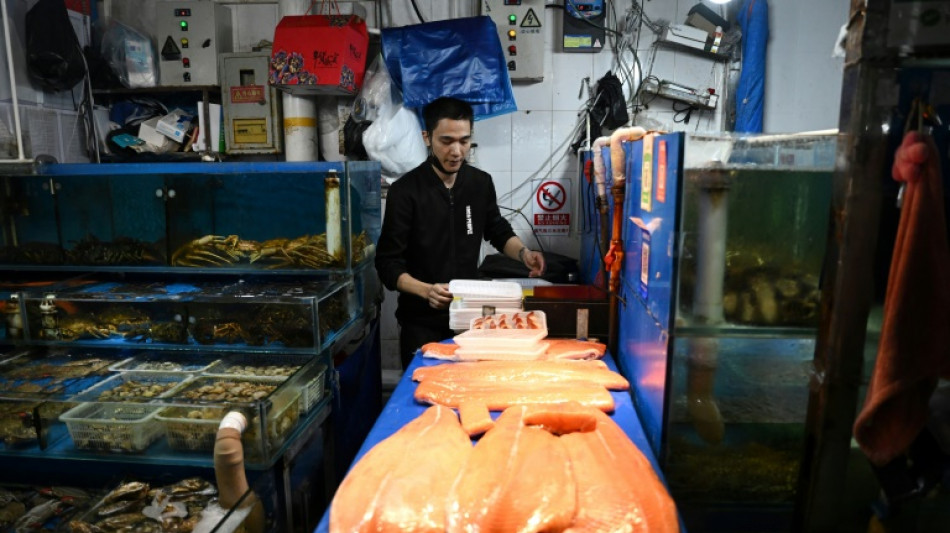
Beijing fishmongers worry as Japan begins Fukushima water release / Photo: GREG BAKER - AFP

 OpenAI cancels release of newest model due to safety concerns

 AI bosses head to White House as safety pressure builds

 Batista sacked as Costa Rica coach after six months
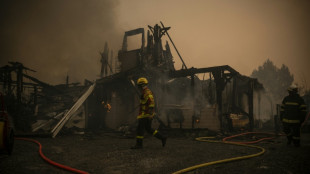
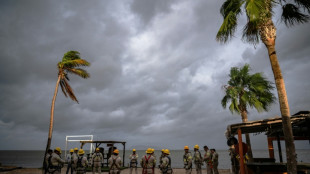 Flooding, power cuts and evacuations as Hurricane Polo slams Mexico

 Dodgers eye three-peat, Red Sox face Yankees as MLB playoffs begin

 Certification of Boeing 737 MAX delayed by software bug
 Celine Dion wows Paris Fashion Week with surprise gig

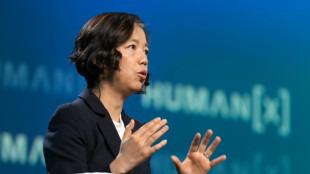 AMD buys firm founded by AI 'godmother' Fei-Fei Li
 Italy rebound in Turkey as France win late in Belgium

 Pope says concerns about AI 'should be taken seriously'
 Hurricanes to hoist title banner as NHL season begins
 Justice Alito steps aside from major US climate case

 Willis happy with England exile after retains Top 14 player award
 Spain housing protests keep heat on government as PM seeks new law

 Wissa spoils Zimbabwe homecoming as DR Congo win AFCON qualifier

 UK police release on bail five men held over airbase incident

 Ex-All Black Plummer 'sure' New Zealand will find Super Rugby solution

 Shein sees 1% revenue growth in first half of 2026
 Netherlands regrets Israel retaliation in settlements row

 Moscow seizes Russian assets of German food retailer Metro
 Bulgarian spirits inflamed by new rakia rules

 Documentary turns camera on architect Peter Zumthor

 UK police say releasing on bail five men held over airbase incident

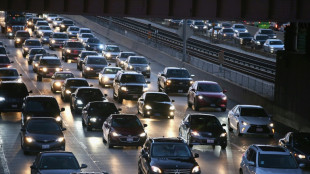 Trump admin finalizes reversal of US fuel economy standards

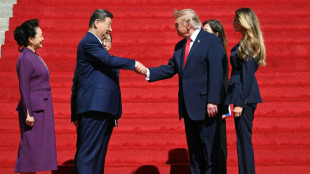 US says no China arms sale plans after envoy cites Trump offer

Seafood sellers in Beijing expressed consternation Thursday over Japan's gradual release of wastewater from the disaster-hit Fukushima nuclear plant into the ocean.
Hours before the release began, a store manager named Wang Jinglong in one of the Chinese capital's biggest seafood markets told AFP that there had already been a "major impact" on his business, especially tuna sales.
"We used to get some fresh Japanese fish, but due to customs bans we stopped receiving them two months ago," Wang said, referencing the import controls imposed last month.
Wang showed AFP frozen Japanese seafood products that he will be unable to restock once sold -- if customers are still interested.
"There's a large gap in our sales volume compared with before. In the past, such as during the pandemic, we had to kill three to five tuna every week," Wang said.
"Now we kill very few fish, and they are not from Japan, but from Australia, New Zealand and Spain."
The 53-year-old said the quality of these products is "very poor, and not comparable to that of Japan".
But in the face of "great resistance" from the public to Japanese products, he said he has little choice.
"This pollution topic is being closely followed."
The release plan has been endorsed by the International Atomic Energy Agency -- the UN's nuclear watchdog -- which said it meets international standards and "will not cause any harm to the environment".
And the overriding consensus among international experts is that the operation is safe.
But shortly after the discharge of wastewater began on Thursday, China said it would suspend the import of all Japanese aquatic products.
And elsewhere in the Beijing market, workers said the impact of the water release plan had been significant.
Many recently stopped selling all seafood from Japan.
"The plan to release the water is causing trouble for Japan and all other countries," said Huang Xiaohao, the boss of a store advertising imported products.
"If you look around at what we're selling, you'll find that most of these things are actually domestic products," he said.
Pressure has come both from official customs restrictions, others said, as well as from consumers who worry about the impact of Japanese seafood products on their health.
One merchant who declined to be named told AFP that tuna from places other than Japan -- where he usually sourced products -- are simply not as good.
Q.Jaber--SF-PST