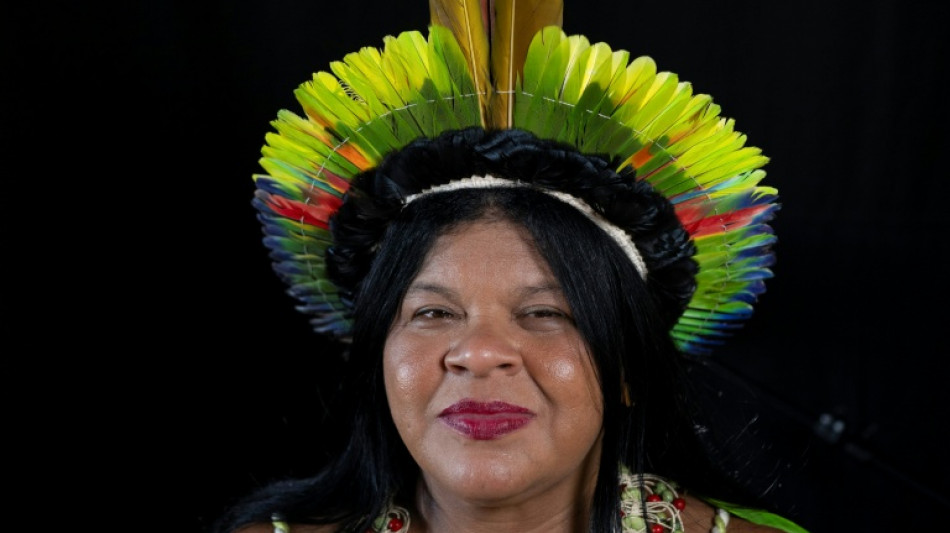
COP30: Indigenous peoples vital to humanity's future, Brazilian minister tells AFP / Photo: Pablo PORCIUNCULA - AFP

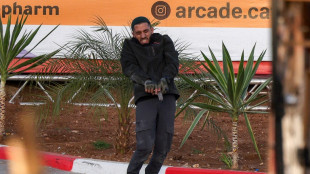
 Netanyahu orders West Bank closure as attack wounds Israelis before election
 Asian stocks mixed ahead of weekend as tech recovers early losses
 How five Boeing 777s linked Madagascar's power elite to Iran
 South Korea proposes holding border talks with North
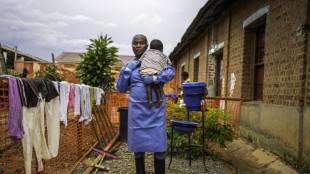
 Ukraine's young figure skaters twizzle on despite Russian threat
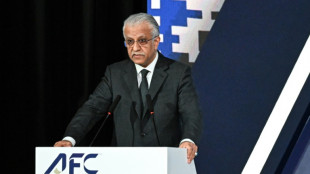 Asian football endorses Infantino re-election as FIFA president
 Complete Kane hopes for 'special night' as Ballon d'Or rumours swirl
 Rooney calls United squad 'selfish babies' after Fernandes criticism
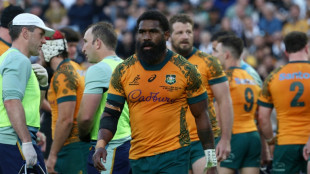
 Teddy Wilson, son of World Cup-winner David, gets Wallabies call-up

 New Zealand military chief resigns over 'inappropriate relationship'

 Man Utd's Carrick on borrowed time, free-scoring Brighton face Liverpool
 Asian stocks head into weekend on a low as tech extends losses

 'Generational rage': Young Europeans fight to be heard

 Lula, Bolsonaro to clash once more before Brazil vote
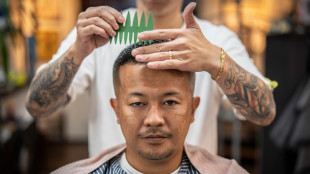 Dressed to kill: Haircuts cap menacing look of Japan's yakuza
 Napa Valley's wineries feel Trump's tariff squeeze
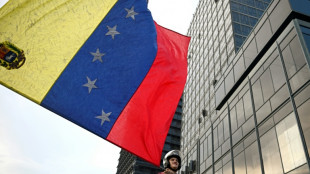 Venezuela protests demand return of Nobel winning leader Machado
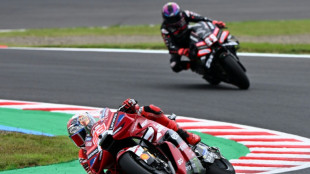
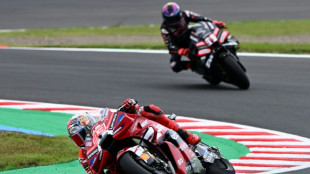 Marquez tops incident-packed opening practice for Australian MotoGP

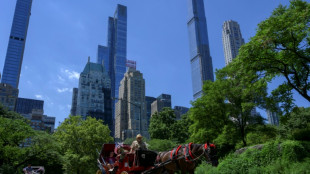 New York votes to ban Central Park horse carriages after decades of debate

 Australia face selection headaches after 'shambolic' South Africa defeat

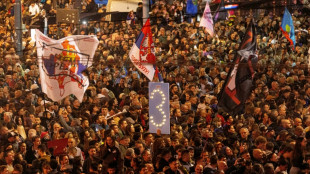 Around 150,000 rally in Belgrade as Serbia heads to pivotal poll

 Hamilton sets sights on racing in African grand prix
 Bournemouth hammer 10-man Milan, Juventus denied at the death
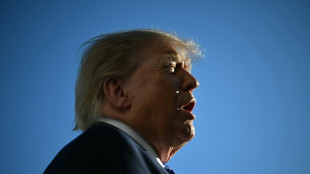 Judge orders Trump to give deposition in BBC lawsuit by Dec 11
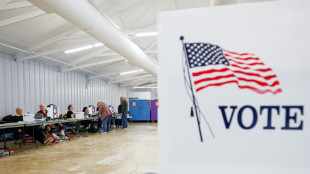 'Fake' pollsters hit US midterms

At COP30 in Belem, in Brazil's Amazon region, the country's Minister of Indigenous Peoples, Sonia Guajajara, hopes Indigenous peoples will play a leading role in the international climate conference that begins Monday.
Without them, "there is no future for humanity," she told AFP in an interview.
Guajajara, a member of the Guajajara-Tenetehara ethnic group who was born in an Indigenous reserve in Maranhao state, is the first person to hold the portfolio created by leftist President Luiz Inacio Lula da Silva when he returned to power in 2023.
On the eve of the UN climate conference, Guajajara, 51, anticipates "the best COP in terms of Indigenous participation," but denounces the "racism" suffered by Indigenous peoples.
She laments that Brazil's government has not been able to approve more Indigenous reserves.
According to the minister, this effort has been hindered by a law passed by the predominantly conservative parliament, which restricts the recognition of lands that belong to Indigenous peoples.
Brazil, Latin America's largest country, is home to 1.7 million Indigenous people, divided into 391 ethnic groups speaking 295 languages, out of a total population of over 200 million.
The COP can contribute significantly to greater understanding and interest from society as a whole regarding Indigenous peoples -- especially regarding the role that Indigenous peoples and Indigenous territories play in maintaining climate balance.
It has been proven that the presence of Indigenous peoples, whether in demarcated territories or not, ensures clean water, protected biodiversity, pesticide-free food, and standing forests.
And all of this is what humanity needs to continue to exist. Therefore, we say, without Indigenous peoples, without these voices, there is no future for humanity.
In 2009, when I participated in my first COP, which was COP15 in Copenhagen, there was one or two Indigenous individuals present, but they were not participating. Since then, we have been working on building this inclusion, increasing representation, and creating spaces for dialogue.
From then until now, there has been tremendous progress. I was very excited to participate in the summit of presidents, during the launch of the TFFF (the Tropical Forest Forever Fund), as well as the session addressing the topic of climate and nature.
Of course, there is still much to be done for countries to ensure this leadership. In both moments, all the presidents who spoke emphasized the importance of including Indigenous peoples, ensuring funding for Indigenous communities, and guaranteeing the protection of Indigenous peoples and territories.
- 'Guardians of the forest' –
Although there is already recognition that we, Indigenous peoples, are the greatest guardians of the forest, the environment, and biodiversity due to our way of life, we are the first and most impacted.
Because when there is a flood, for example, it affects food security, when fish die, when water is contaminated, when there is drought, roads become inaccessible, as rivers are also a means of transportation for us.
It affects schools, when children cannot move from one place to another to attend school, it affects education.
U.AlSharif--SF-PST