
France gets new helpline amid trauma of mass rape trial / Photo: STEPHANE DE SAKUTIN - AFP

 Golf star Rahm quitting LIV tour over 'unacceptable' terms

 Thousands march fearing return of a Bolsonaro presidency in Brazil

 French PM denies police ordered to confront student protesters
 Rubio touts US power, calls on Europe to emerge from 'slumber'

 Trump says 'we don't think' Russian plague is bio-weapon

 Five children among 26 killed in Ukraine after Russian strikes

 Man City should 'accept' punishment for rule breaches, says Lineker

 US woman who survived botched execution is awake and speaking

 From 1800s to modern pharma: a Nobel-winning chemistry quest

 Southampton boss Eckert given suspended ban over 'Spygate'

 Russia warns of 'false' information as second plague case reported

 IEA ready to release more oil reserves if necessary

 HSBC 'consults' over UK unit job cuts amid AI adoption

 UK court quashes five ex-traders' Libor rate rigging convictions
 XM Receives “Global Customer Experience Leader Award 2026” at the TrustFinance Performance Awards

 Stocks slide as oil climbs on Mideast flareup

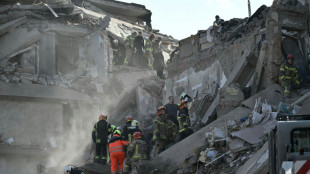 Heavy casualties in Ukraine after Russian strikes

 French wine harvest set to hit historic low

 Kyiv 'cannot agree' to EU membership limiting food exports: minister

 Arteta targets more Arsenal glory after signing new deal until 2030

 Russell hit with Singapore grid penalty for taking new power unit

 Spotify expands audiobooks to more than 180 markets

 French-Japanese duo wins chemistry Nobel for solving molecular 'mystery'

 England's Nations League surge helps heal World Cup wounds

 Mayor of opposition stronghold Izmir defects to Erdogan party
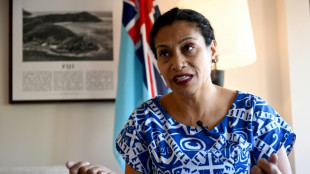
Some callers are women fearful they have been drugged and sexually assaulted; others are doctors worried they have misdiagnosed them -- a helpline set up amid France's notorious mass rape trial has tapped a nation's unease.
The helpline, known as the Reference Centre on Drug-Facilitated Sexual Assault (or CRAFS, its acronym in French), was launched by a Paris health centre on October 15.
That was in the middle of testimony at the rape trial of Dominique Pelicot and 50 other defendants, which has shocked the country, sparked mass protests and raised awareness in France about the use of drugs to commit abuse.
For years, Gisele Pelicot, Dominique's now-former wife, had strange memory lapses and other health problems, consulting numerous doctors who could not pinpoint the cause.
Then police told her she had been drugged and raped for nearly a decade by her husband and dozens of strangers he recruited online.
Since its launch, the helpline has received a wave of calls from healthcare providers and victims seeking information about drug-related abuse, said Leila Chaouachi, a doctor who founded the service.
"The doctors who contact us say they, too, might not have noticed anything," said Chaouachi, referring to Gisele Pelicot's symptoms.
"What are the warning signs? They feel they don't have enough training," she added.
- Symptoms and guidance -
One of the services offered by CRAFS is to provide information on the possible symptoms linked to drug-related abuse.
There are many indicators that someone could have been drugged, said Chaouachi: drowsiness, nausea, disorientation, blurred vision and amnesia, among others.
But some healthcare professionals tell Chaouachi they are worried they might overlook the signs or, if they do recognise them, are unsure of what to do next.
CRAFS can also offer guidance on those possible next steps.
One doctor who contacted the centre worried that a patient -- a victim of domestic violence -- was also drugged by her partner, and wanted to know if a hair analysis should be prescribed to detect the presence of substances.
"Five centimetres of hair is like five months of history," explained one of the CRAFS team of pharmacologists, who are also trained in sexual assault response.
Victims who call the hotline are encouraged to lodge a complaint to benefit from free drug detection kits.
In mid-November, Equality Minister Salima Saa announced an awareness campaign about the "new scourge" of using drugs to commit sexual abuse, which Chaouachi said can sometimes be misunderstood.
- 'Speaking out' -
There are "preconceived notions" around the use of drugs in sexual assault cases, Chaouachi told AFP.
"People think it's about young girls drugged in a nightclub with GHB," said Chaouachi, referring to a notorious "date-rape drug" often used in sexual assaults.
"However, our data shows that the victim is often drugged by someone around her who betrays her trust," she said.
"It could be a woman of any age... an elderly person drugged to make them sign a paper extorting an inheritance, or a child drugged so someone doesn't have to look after them. That is chemical abuse."
In 2023, French police recorded more than 110,000 victims of sexual violence, 85 percent of them women.
For some, the hotline offers an opportunity to speak about what happened to them, even if the abuse was too long ago for medical detection.
"Even if they are old, these accounts are useful: they tell us how attackers operate," Chaouachi said. "And speaking out and being heard is good for the victim."
Prosecutors have sought a maximum 20-year jail term for Dominique Pelicot, and 10 to 18 years in prison for 49 of the 50 co-defendants accused of rape or attempted rape, with a four-year punishment requested in only one case.
A verdict is expected on December 19 or 20.
J.Saleh--SF-PST