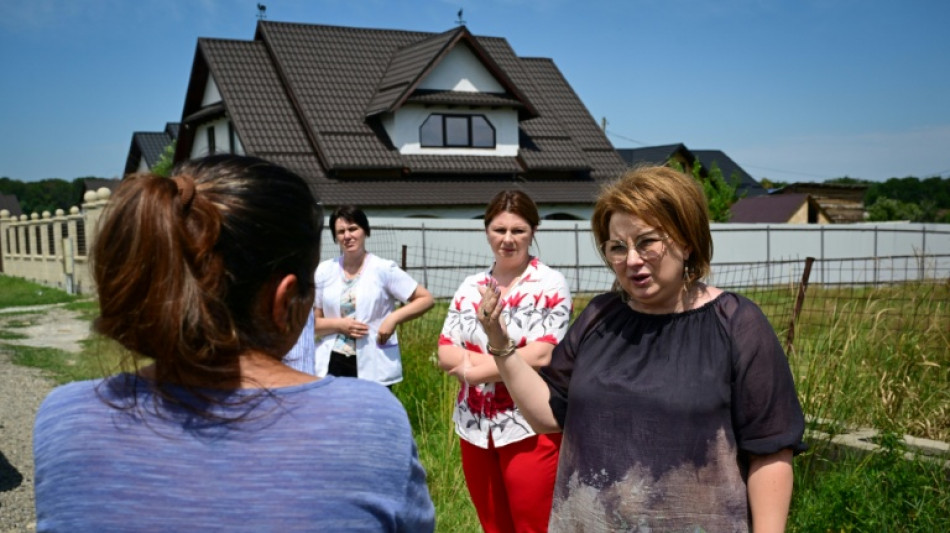
Doctors fight vaccine mistrust as Romania hit by measles outbreak / Photo: Daniel MIHAILESCU - AFP

 Madrid mourns evicted retiree, 'icon' of Spain housing protests

 OpenAI revenue gap report rattles AI stocks
 France pledges more teachers after school students vow no let-up
 Bordeaux confirmed in sixth tier of French football
 Trump gives 'national treasure' Musk top US medal after rift
 MLB proposes shortening season, reforming playoffs
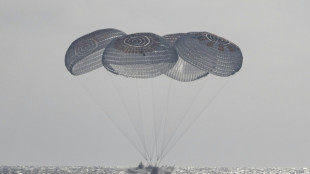 Crew splashes down after 8-month mission on International Space Station
 Protests, clashes as S. African anti-migrant tensions reignite
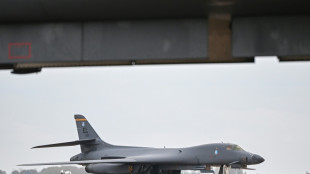
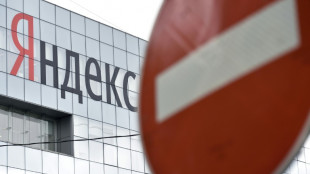 Russian data centre hit by drone in first for Ukraine war
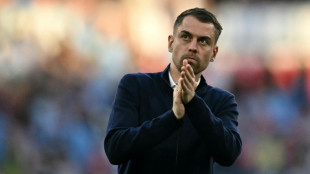
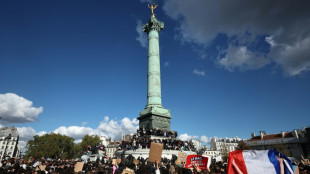 'Fighting for our future': France high school students vow no let-up
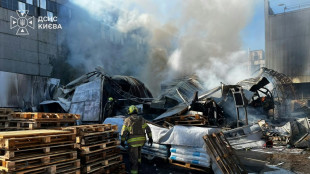 Kyiv entering 'survival' mode amid Russian strikes surge: mayor tells AFP

 Verdict due in Mexico trial over murders of Australia, US surfers
 B2PRIME Welcomes Christina Barbash as Commercial Manager

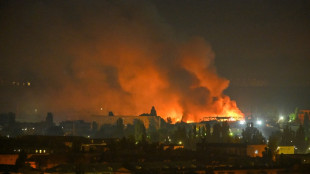 Russia forcing Kyiv into 'survival' mode before winter, mayor tells AFP
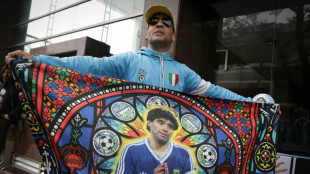 Closing arguments begin in Maradona death trial
 UEFA president Ceferin to stand for re-election in 2027
 Nearly 300,000 Nepalis at flood risk: study
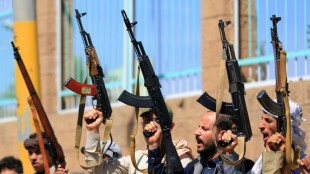 Riyadh kindergarten hit by interception debris as Houthis say targeted airport
 Alex Bodi mizează, alături de CRIF, pe investiții transparente și pe prevenirea riguroasă a spălării banilor
 Gulf Labs, Part of Thailand’s $27 Billion GULF Group, Goes Live as an Injective Validator
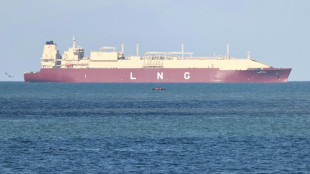 EU okay for winter despite 'historically low' gas stocks: operators
 Rwanda to host F1 Grand Prix: sources close to both sides
 EU top diplomat says bloc in favour of UN Lebanon peacekeepers' extension
 Antonelli and Russell to run different Mercedes aero packages in Singapore
 WTO hikes 2026 trade growth forecast on AI boom

When epidemiologist Daniela Gafita makes her rounds in the remote villages of northeastern Romania to educate communities about the risks of measles, she frequently encounters parents who hesitate to have their children vaccinated.
With measles cases in Europe hitting a 25-year high last year, Romania was the country most affected: it recorded 13,000 of the approximately 18,000 cases registered between June 2024 and May 2025 in the European Economic Area, which includes EU members as well as Iceland, Liechtenstein and Norway.
But the disease has also re-emerged globally, with the United States confronting its worst epidemic in 30 years, in part fuelled by anti-vaccine misinformation that has been circulating on social media since the Covid-19 pandemic.
Despite widespread vaccine scepticism in Romania, Gafita and her colleagues from the local health department are undeterred in their mission to spread the immunisation message.
"We are trying to recover little by little what we lost" in the past decades when the situation was still at bay, said the 52-year-old.
Romania has the EU's lowest vaccination rate at 62 percent, a far cry from the 95 percent the World Health Organization (WHO) says is needed for effective control.
- Irrational fear -
But it's a fight on many fronts, due not only to poverty but also poor access to health care and persistent rumours that vaccination causes autism.
"I heard the vaccine is dangerous," said a woman, who declined to give her name, in the village of Raucesti.
Elena Armenia, who also lives in the village of 7,500 people, told AFP that she did not want her youngest child to be vaccinated after reading "about a link to autism" online, a misconception that has been refuted by the scientific community.
"Fear crept into my mind and I can't shake it off," said the 34-year-old.
Her neighbours' children recently ended up in hospital after contracting measles, a contagious disease that causes fever, respiratory symptoms and a rash -- but can also lead to pneumonia, brain inflammation and even death.
Romania reported eight fatalities from measles between June 2024 to May 2025. In July, a child died in Britain, with three deaths being recorded in the United States this year.
Family doctor Monica Apostol told AFP that she was less optimistic than some of her colleagues about Romania's vaccination rate being boosted soon.
"I'm hitting a brick wall," she said about her many conversations with parents.
- Far-right anti-vaxers -
Several factors have contributed to lower vaccination rates and subsequently to the resurgence of measles in Romania, where jabs are offered for free but are not mandatory.
Millions of Romanians, including many health professionals, left the country after the end of communism in 1989. Moreover, the country has seen periods of vaccine shortages, but also an underfunded healthcare system and an increasing lack of trust in authorities.
During the Covid pandemic, public figures in Romania but also worldwide began launching or endorsing anti-vaccination campaigns, with US President Donald Trump appointing Robert F. Kennedy Jr as health secretary despite his support of anti-vaccine conspiracy theories.
Romania's far right also seized on anger over strict pandemic measures and started promoting anti-vaccine beliefs.
Far-right leader George Simion, who topped the first round of the presidential election in May before losing in the second round, has said that parents should have the freedom to decide whether to have their children vaccinated or not.
Pro-European President Nicusor Dan recently called on authorities to redouble their efforts to "regain people's trust", and combat a deluge of conspiracy theories and fake news that has eroded confidence.
"The recent elections have shown that misinformation campaigns are conducted in a highly professional manner," said Gindrovel Dumitra, coordinator for vaccinations at one of Romania's main doctors' associations.
Faced with a situation that is "out of control", his colleague Gafita advocates for tougher nationwide rules, including the need for children to be vaccinated to be able to attend school.
"Even if such measures are unpopular and contrary to what many people want," she said.
F.Qawasmeh--SF-PST