What we know about Spain's deadly train crash / Photo: Javier SORIANO - AFP

 Russell Brand found monogamy 'difficult', wife tells UK rape trial
 Dubai building that saw city's rise from desert due for demolition
 Duckett's best lifts England to 386-5 in Sri Lanka dead rubber
 Stock markets diverge on corporate earnings, tech jitters

 'Horrific' Russian drone strike kills 13 at Ukraine train station: Kyiv
 مركز حقوقي يطالب بتحقيق دولي في قصف موظفين مدنيين بمواصي خانيونس
 نيويورك تقيد روبوتات الدردشة الموجهة للقاصرين بقانون واسع النطاق

 بوتين يشيد بماسك وسط قيود على اتصالات أوكرانيا عبر شبكات سبايس إكس
 واشنطن تحظر واردات ثلاث شركات جينات صينية بسبب اتهامات بالعمل القسري
 وساطة قطرية لفتح مسار نووي مع إيران وتفادي حملة عسكرية جديدة

 الصين توسع تحركها الدبلوماسي لحماية الملاحة وخفض توترات المنطقة
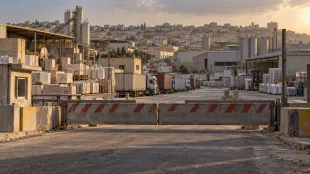 إغلاق الخليل يعطل سلاسل الإنتاج والتجارة ويضغط على العمال والمصانع

 Maresca braced for another tough test in Brighton repeat
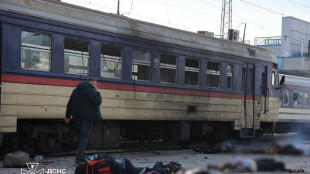 Ukraine says at least 13 killed in Russian attack on train station

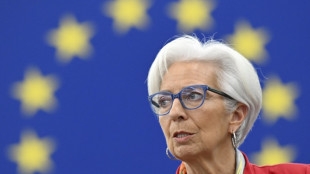 ECB President Christine Lagarde to step down in February 2027

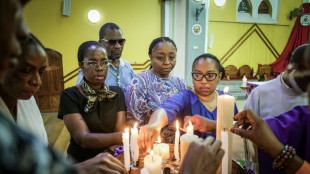 A year on, Tanzanians mourn election massacres in 'state of terror'
 Israel piles pressure on Arab parties as Netanyahu seeks government

 'Call of Duty' slammed for using real Seoul crowd crush footage

 TotalEnergies profit hits record on high oil prices

 Key of seethe: I.Coast row with Sahel juntas spills into concert halls

 Romanian writer Cartarescu hails books as balm in turmoil

 Mbappe, Real Madrid and La Liga face long road to redemption in China
 North Korea fires 'around a dozen' ballistic missiles into East Sea

 Brewers catcher Contreras named World Series MVP

 Asian stock markets fluctuate after mixed tech results
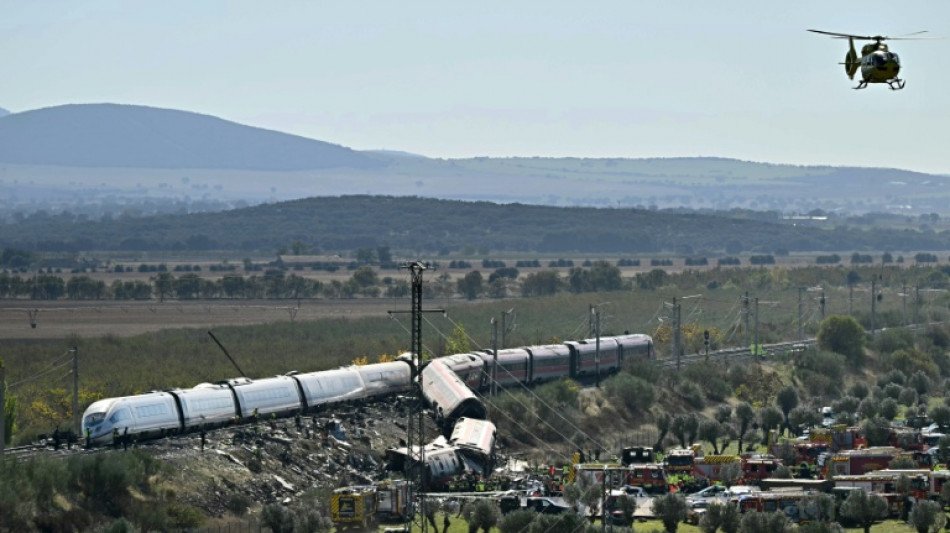
At least 69 people have been killed and more than 100 injured after two high-speed trains collided south of Madrid on Wednesday, in Spain's deadliest rail disaster since 2013.
Here is what we know about the crash, the second serious rail accident to strike the country this year.
- Where and when did it happen? -
The crash happened at 08:53 am (0753 GMT) on Wednesday on a straight stretch of track near the village of Urda, around 130 kilometres (80 miles) south of Madrid.
A service by state operator Renfe with nearly 400 passengers ploughed into the back of a stationary train belonging to private Spanish company Iryo with 152 people on board.
Both trains had departed Madrid's Atocha station bound for the southern city of Seville -- the Iryo train at 7:54 and Renfe's six minutes later.
- What caused the crash? -
At around 8:30 am, an automatic signalling system known as LZB failed.
The system is supposed to monitor train speeds and movements to help prevent collisions by maintaining safe distances between them.
The failure forced six trains on a 69-kilometre stretch of track to stop, including the two involved in the collision.
Control of rail traffic was transferred to the Madrid control centre, which authorised the Renfe train to resume its journey despite the signalling failure.
Transport Minister Oscar Puente called the decision "inexplicable", saying a red signal should have kept the train stationary because the Iryo service was still on the same track.
Puente said he did not know how fast the Renfe train was travelling at the time of the collision, adding that speeds on that section of track could reach 200 kilometres per hour.
- What was the aftermath? -
The force of the impact sent two carriages of the Iryo train down an embankment, leaving them partially reduced to twisted wreckage.
With the death toll still provisional, the crash is Spain's deadliest rail disaster since a derailment near Santiago de Compostela in the northwest killed 80 people in 2013.
It is the country's second rail tragedy this year, after a collision between two high-speed trains in the southern region of Andalusia in January killed 46 people.
- What happens now? -
An investigation is under way to establish the cause of the crash, with questions raised over rail infrastructure maintenance and passenger safety.
Prime Minister Pedro Sanchez has pledged a full investigation "to establish every last detail of this tragedy and strengthen safety measures to ensure it never happens again".
Rail services remain suspended between Madrid and Andalusia.
Renfe has said it will provide alternative transport along the route from Friday, ahead of the All Saints' Day long weekend, when families traditionally visit cemeteries to lay flowers on the graves of relatives.
I.Yassin--SF-PST