-
 Nigeria widens hunt for possible Ebola cases
-
Thousands gather in Prague to protest licence fee plans
-
 Liverpool star Isak back to his best says Iraola
-
Pease spins to floor gold as US tops gymnastics medal table

-
 Lula supporters cross fingers in Rio, a Bolsonaro bastion
-
Marchant back in England training squad ahead of Nations Championship fixtures
-
 Flights resume at Riyadh airport as Houthis attack Saudi Arabia
-
French skater Siao Him Fa soars to victory in season-opener at home
-
 High-flying Betis held at Celta Vigo
-
Embattled Albanian PM vows fines for violent protesters
-
 Shadab ton stuns England as Pakistan reach tri-series final
-
Steelers top Saints in NFL's first regular-season game in Paris

-
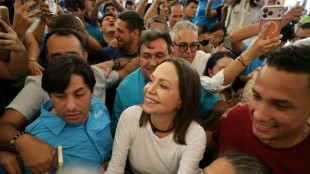 'With you': Opposition leader Machado returns to Venezuela
-
Carrick unsure over Man Utd future after Bournemouth loss
-
 Carrick on the brink as Man Utd misery mounts, Isak stars for Liverpool
-
2027 Dakar Rally to be moved from Saudi Arabia
-
 Monaco hold Lille as both move to top of Ligue 1
-
Man Utd battered by Bournemouth to leave Carrick on the brink
-
 Isak extends hot streak as Liverpool sink Brighton
-
Storms batter Europe hitting power supplies, flights and phones

-
 Brazil chooses between Lula and Bolsonaro in nail-biter vote
-
Inter rally late to down Fiorentina and regain Serie A lead

-
 Doha opens ninth World Investment Forum focused on future investment
-
UDST opens Fall 2027 admissions to students in Qatar and abroad

-
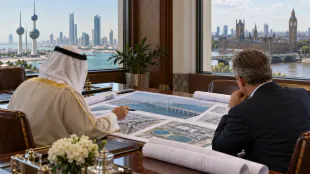 Kuwait public works minister and UK ambassador discuss closer cooperation
-
Le Pen begins presidential campaign after violent protests across France

-
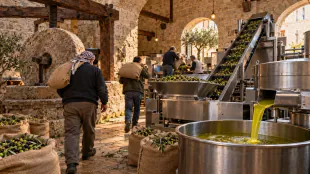 Historic Ramallah olive press joins modern production with local tradition
-
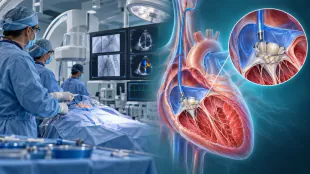
Adan Hospital launches catheter-based tricuspid valve replacement programme
-
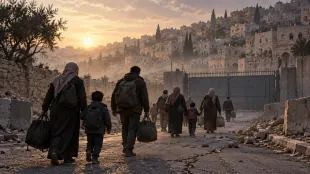 Hebron operation forces 373 Palestinian families from their homes
-
KIB Group nine-month profit rises 30% to KD 26.6 million

-
 Kuwait legal department reviews new commercial concealment law
-
John Catlin wins Hong Kong Open and secures first Masters invitation

-
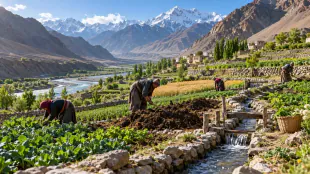 Ladakh declared India’s first fully organic union territory
-
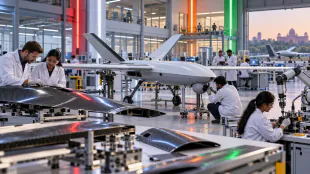
Poland’s WB Group plans $100 million India investment for drone production
-
 IRDAI gives stakeholders until October 31 to comment on distribution reforms
-
Insurance deductibles and no-claim bonuses require a careful claims decision

-
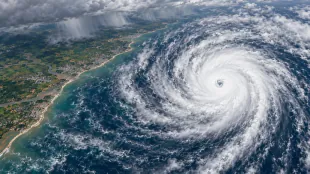 Bay cyclone forecast to strike Andhra-Yanam coast at very severe strength
-
Credit-card shortcuts can turn impulse spending into lasting debt

-
 Technical outlook diverges for Bharti Airtel, PFC, REC and Alkyl Amines
-
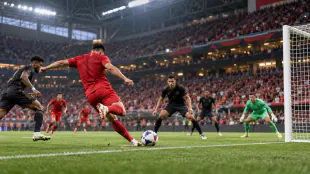
Chicago Fire rally past Atlanta United 3-2 to hold fourth place
-
 J&K Bank raises accident cover for government employees to ₹1 crore
-
سامسونج تدرس طرح إصدار إماراتي خاص من هاتفها القابل للطي

-
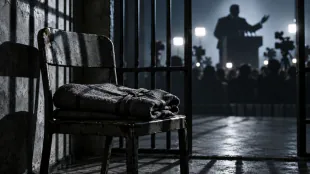 فيديو انتخابي لبن غفير من سجن عوفر يثير انتقادات
-
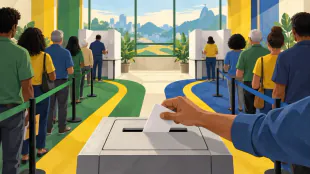
البرازيل تصوت في جولة حاسمة بين لولا وفلافيو بولسونارو
-
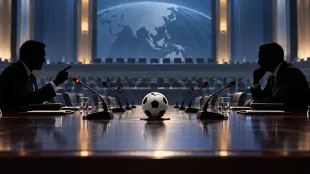 الأمير علي ينتقد دعم الاتحاد الآسيوي لإنفانتينو ويطالب بالشفافية
-
فرنسا تسجل أول إصابة بشرية معروفة بفيروس شاموندا

-
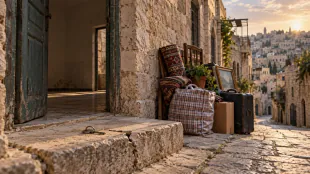 هيئة حقوقية تحذر من تهجير وهدم واسع في الخليل
-
دراسة: تناول ثمرتي كيوي قبل النوم قد يحسن جودته

-
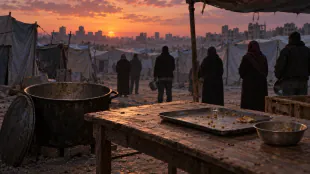 نازحو مخيم الإسراء في غزة يواجهون نقص الغذاء وتراجع المساعدات
-
كأس الإمارات للناشئين يعزز مسار اكتشاف مواهب الغولف

Cuban regime nears collapse
The communist regime founded by Fidel Castro and later inherited by his brother Raúl Castro is facing its worst legitimacy crisis in decades. The government of President Miguel Díaz‑Canel, who succeeded the Castro brothers, is under intense pressure from economic collapse, widening black‑outs and international isolation. For the first time since the 1959 revolution, senior Cuban officials have been drawn into secret talks that many interpret as negotiations for a managed surrender.
Fuel shortages and humanitarian collapse
In recent months, the United States has tightened its embargo on Cuba by interdicting shipments of Venezuelan crude oil, the island’s main fuel source. The action has crippled Cuba’s ageing power grid. In mid‑March, the national electrical system collapsed, leaving more than ten million people without power and forcing rationing and rolling blackouts. Without diesel for generators or petrol for transport, food prices have spiked and buses have stopped running. Even Cuba’s allies have sounded the alarm. UN Secretary‑General António Guterres warned that continued disruption of oil supplies could lead to a humanitarian “collapse” on the island. Mexico promised emergency shipments, but fears of U.S. tariffs have limited how much oil can actually be delivered. The United Nations reports that fuel shortages have forced hospitals to prioritise surgeries and that chronic medication shortages are reaching crisis levels.
Secret talks and political manoeuvring
Against this backdrop of scarcity, multiple sources report that the Díaz‑Canel government has quietly opened channels to Washington. In a press conference on 13 March 2026, Díaz‑Canel acknowledged for the first time that “processes of this nature require discretion” and said dialogue was taking place, though he refused to provide details. According to investigative reports, advisers to the U.S. Secretary of State have held informal meetings with Raúl Castro’s grandson, Raúl Guillermo Rodríguez Castro (“Raulito”). The United States is reportedly pressing for Díaz‑Canel’s removal but wants to avoid a chaotic collapse. Cuba has responded with gestures meant to curry favour: it recently freed 51 political prisoners, announced it will allow Cuban‑Americans to invest in businesses on the island and has lifted restrictions preventing foreign residents from owning private enterprises.
Yet Cuban authorities publicly deny that leadership succession is part of the negotiations. Deputy Foreign Minister Carlos Fernández de Cossio told reporters that Cuba’s political system is not up for negotiation. He characterised the U.S. pressure campaign as a “take Cuba” strategy and insisted that the country’s sovereignty will not be traded away. Such statements have not quelled speculation. Analysts believe that if Díaz‑Canel resigns in exchange for relief from sanctions and guarantees for the Castro family’s safety, power could pass to younger technocrats or a transitional council.
Public anger and calls for change
On the streets, patience is running out. Long queues for bread and sporadic electricity have eroded whatever legitimacy the revolutionary government still possesses. Many Cubans complain that after more than sixty years, the revolutionary rhetoric has produced little beyond a hereditary elite—a common criticism voiced by citizens and diaspora commentators. They argue that the Castro family, despite claiming to have built an egalitarian society, has effectively become a dynastic monarchy. Commenters on social media observe that while the government blames external enemies, ordinary people bear the brunt of shortages and crumbling infrastructure. Some express hope that the island could soon open to the world and that Cubans abroad will be able to return and rebuild a free country.
These sentiments find echo in protests. Over the past year, small but persistent demonstrations have erupted in Havana, Santiago and smaller towns, with slogans calling for “Libertad” and demanding an end to power cuts. Security forces have arrested dozens, but cracks are showing. Reports suggest that even within the ruling party there is discontent over the handling of the crisis. Younger officials complain that the leadership is out of touch and that the revolution has degenerated into bureaucratic stagnation. Rumours that a negotiated transition could avert a violent upheaval have gained currency.
A fragile transition
Whether the Castro regime will agree to surrender power peacefully remains uncertain. The humanitarian situation is dire, and regional actors such as Mexico and the United Nations are pushing for a resolution to prevent mass migration or state collapse. The United States insists that any easing of sanctions will be contingent on political liberalisation and free elections. Sources close to the talks claim that the parties are discussing a timetable for constitutional reforms, the integration of opposition figures and guarantees for members of the security services, but no agreement has been finalised. For now, Cuba teeters on the precipice between reform and breakdown. The coming months will test whether the revolutionary regime founded by Fidel Castro can orchestrate a controlled handover or whether the island’s deepening crises will force a more chaotic denouement.
DOGE Fails to Slash U.S. Spending
Is Australia’s Economy Doomed?
Portugal: Living Costs Soar
Pope Francis: A Transformative Legacy
Trump fails due to Russia's tough stance
Spain: China's Gateway to Europe
Europe's Economic Self-Sabotage
China Strikes Back: Tariff War
India-Pakistan Tensions Surge
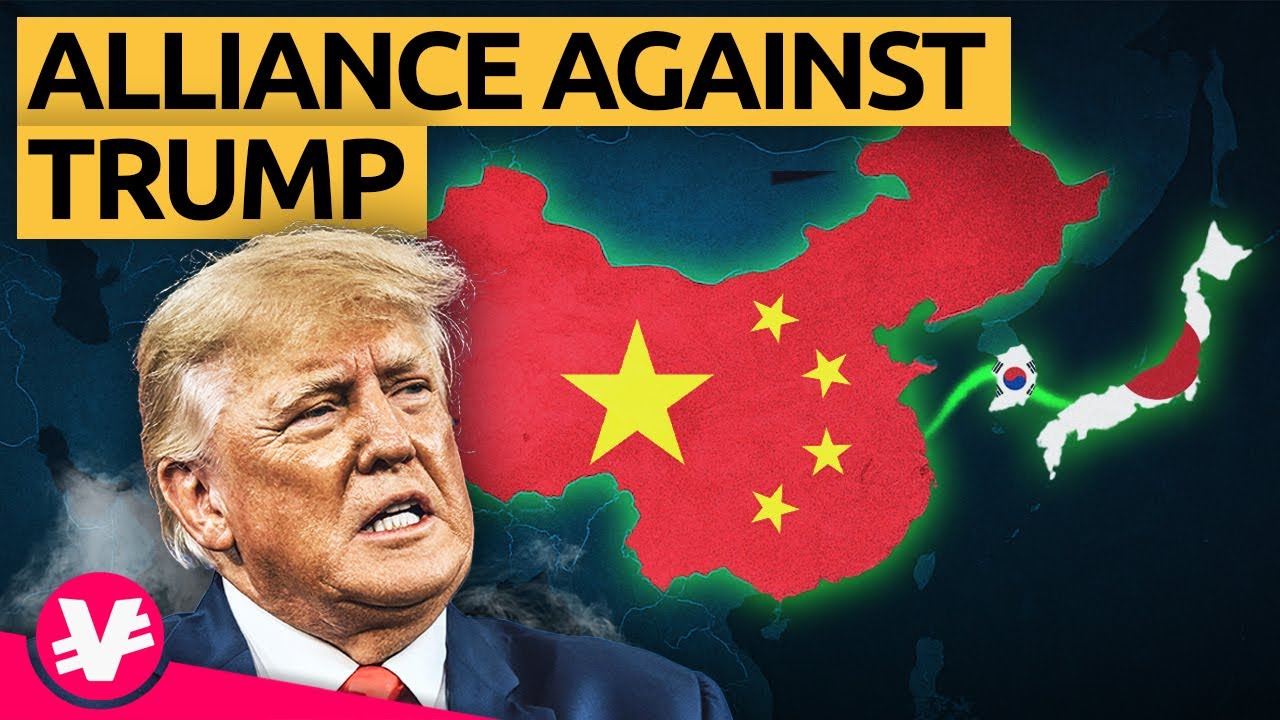
East Asia united against Trump
Trump's expanded tariff risk