-
 Seen and heard at France protests
-
Tropical Storm Champi nears China after battering Taiwan, Japan
-
 White says Fiji can have 'massive' World Cup after beating Japan
-
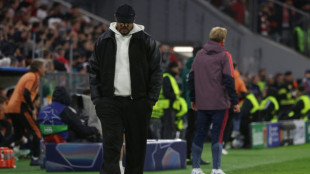
'Weeks, not days' in Kompany recovery, say Bayern
-
 England thrash France 82-0 to keep Rugby League World Cup hopes alive
-
Unfair to compare us to Barca: Real Madrid's Mourinho
-
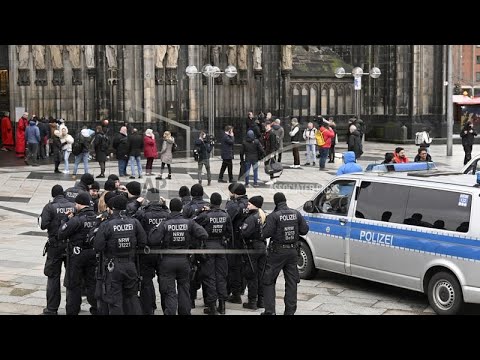
 Security high as France braces for new protests
-
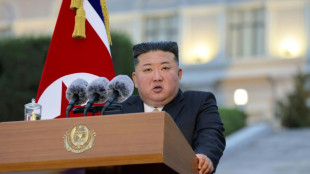
North Korea's Kim makes unannounced visit to Chinese border city
-
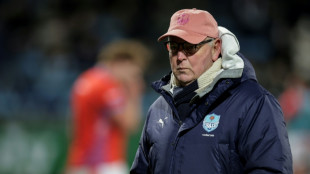 White makes winning start as Fiji edge Eddie Jones's Japan
-
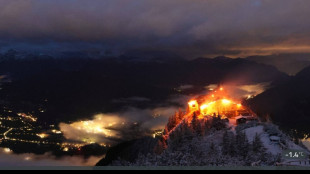
Fire breaks out at Hitler's mountain retreat, suspect arrested
-
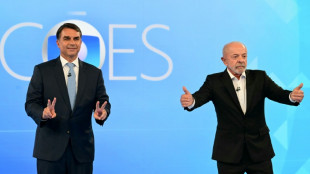 Lula, Bolsonaro strike calmer tone in final Brazil election debate
-
Marc Marquez wins Australian sprint as Martin crashes out

-
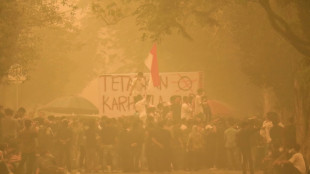 'How is it possible?': Students protest Indonesian haze
-
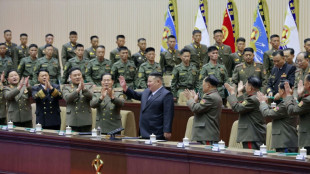
North Korea's Kim calls for training world's 'strongest' military
-
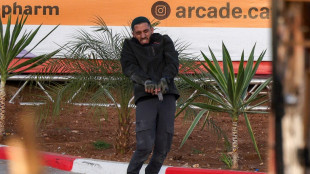 Israel launches major West Bank operation after soldiers killed
-
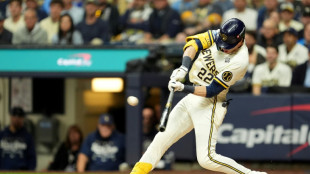
Brewers edge Rays to capture World Series opener
-
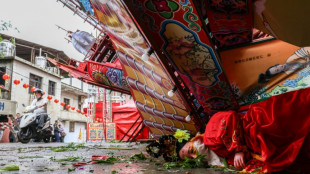 Typhoon Champi knocks out power to thousands in Taiwan
-
France to deploy 70,000 police for fresh weekend protests
-
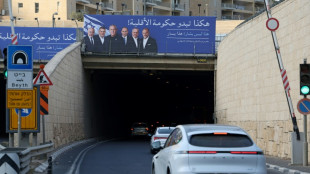 As Israeli election nears, campaign turns ugly
-
Tatum delivers as Celtics down winless Knicks

-
 Oscar hopeful 'La Bola Negra' offers lessons about communicating, directors say
-
Romantasy fans ready for sleepless night as 'Court of Thorns and Roses' returns

-
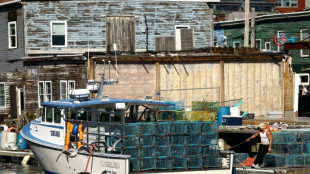 Trapped: Soaring fuel costs hurt Maine lobster industry before midterms
-
De Goede hat-trick as Canada defeat England again

-
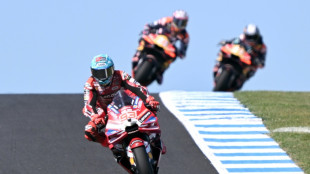 Marc Marquez beats brother Alex to Australian MotoGP pole
-
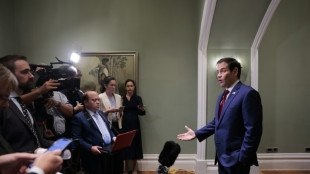
Rubio urges Cubans to work with CIA, but warns: be discreet
-
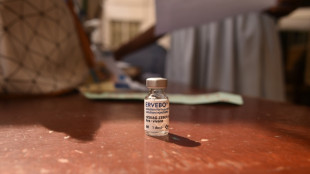 Ebola vaccine trial begins in DR Congo
-
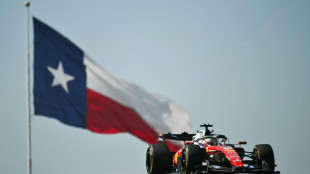
Leclerc tops times for Ferrari in practice for US Grand Prix
-
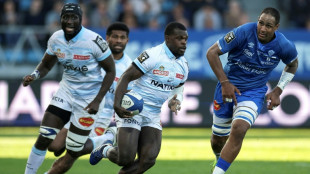 Travelling man Wade equals Prem try record
-
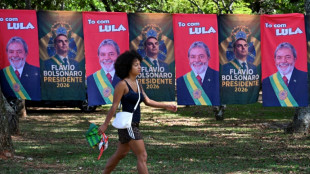
Lula, Bolsonaro lock horns in final debate before Brazil vote
-
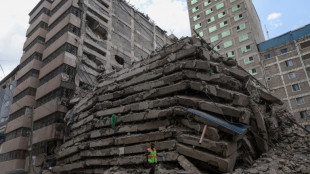 Rescuers search for seven people in Nairobi building collapse
-
Poulter and Hatton leave LIV Golf
-
 Sacha Baron Cohen revives the 'problematic dinosaur' Ali G in new film
-
Blakely vaults out of the shadow of Biles for all-around world title

-
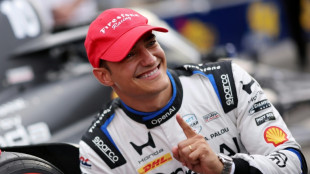 New race in Barcelona tops 17-event '27 IndyCar season
-
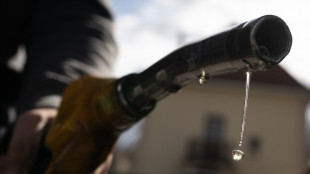
Oil tops $116 with stocks mixed on earnings, AI
-
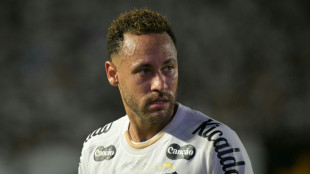 Neymar backs Flavio Bolsonaro in Brazil election
-
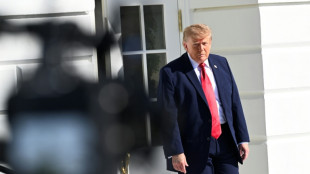
Trump orders lawsuit to block Alaska Senate result if Republicans lose
-
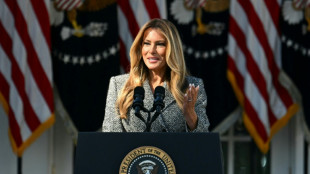 Melania Trump says she brokered truce in war-torn Ukrainian city
-
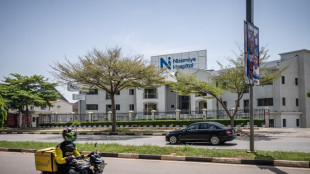
Ebola patient in Nigeria is Swiss, had not visited DR Congo: Bern
-
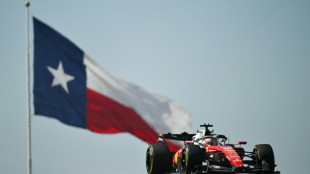 Leclerc tops times for Ferrari in opening practice for US Grand Prix
-
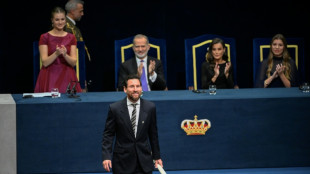
Messi receives top Spanish award from heir to throne
-
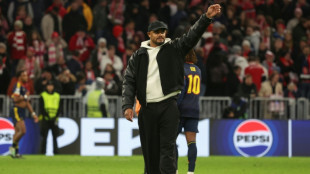
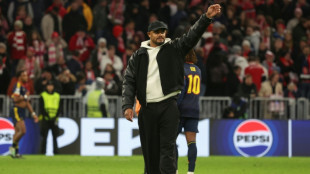 Bayern Munich coach Kompany in hospital after collapsing
-
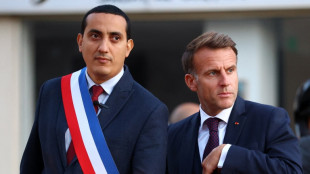
Macron condemns 'racist terrorist attack' after deadly shooting near Paris
-
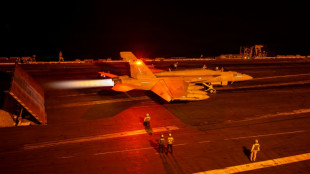 Signs point to renewed major US military ops against Iran
-
Shiffrin sidesteps slalom in 'exploration' season

-
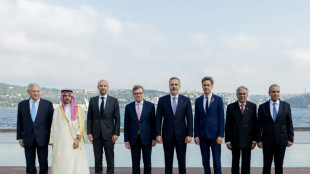 European, Mideast foreign ministers push peace and diplomacy at Istanbul talks
-
Bayern Munich coach Kompany in hospital after collapsing: club
-
 Ex-All Black centre Williams undergoes 'miracle' heart surgery
-
Alonso sees Courtois similarities in Chelsea's Penders
Cuban regime nears collapse
The communist regime founded by Fidel Castro and later inherited by his brother Raúl Castro is facing its worst legitimacy crisis in decades. The government of President Miguel Díaz‑Canel, who succeeded the Castro brothers, is under intense pressure from economic collapse, widening black‑outs and international isolation. For the first time since the 1959 revolution, senior Cuban officials have been drawn into secret talks that many interpret as negotiations for a managed surrender.
Fuel shortages and humanitarian collapse
In recent months, the United States has tightened its embargo on Cuba by interdicting shipments of Venezuelan crude oil, the island’s main fuel source. The action has crippled Cuba’s ageing power grid. In mid‑March, the national electrical system collapsed, leaving more than ten million people without power and forcing rationing and rolling blackouts. Without diesel for generators or petrol for transport, food prices have spiked and buses have stopped running. Even Cuba’s allies have sounded the alarm. UN Secretary‑General António Guterres warned that continued disruption of oil supplies could lead to a humanitarian “collapse” on the island. Mexico promised emergency shipments, but fears of U.S. tariffs have limited how much oil can actually be delivered. The United Nations reports that fuel shortages have forced hospitals to prioritise surgeries and that chronic medication shortages are reaching crisis levels.
Secret talks and political manoeuvring
Against this backdrop of scarcity, multiple sources report that the Díaz‑Canel government has quietly opened channels to Washington. In a press conference on 13 March 2026, Díaz‑Canel acknowledged for the first time that “processes of this nature require discretion” and said dialogue was taking place, though he refused to provide details. According to investigative reports, advisers to the U.S. Secretary of State have held informal meetings with Raúl Castro’s grandson, Raúl Guillermo Rodríguez Castro (“Raulito”). The United States is reportedly pressing for Díaz‑Canel’s removal but wants to avoid a chaotic collapse. Cuba has responded with gestures meant to curry favour: it recently freed 51 political prisoners, announced it will allow Cuban‑Americans to invest in businesses on the island and has lifted restrictions preventing foreign residents from owning private enterprises.
Yet Cuban authorities publicly deny that leadership succession is part of the negotiations. Deputy Foreign Minister Carlos Fernández de Cossio told reporters that Cuba’s political system is not up for negotiation. He characterised the U.S. pressure campaign as a “take Cuba” strategy and insisted that the country’s sovereignty will not be traded away. Such statements have not quelled speculation. Analysts believe that if Díaz‑Canel resigns in exchange for relief from sanctions and guarantees for the Castro family’s safety, power could pass to younger technocrats or a transitional council.
Public anger and calls for change
On the streets, patience is running out. Long queues for bread and sporadic electricity have eroded whatever legitimacy the revolutionary government still possesses. Many Cubans complain that after more than sixty years, the revolutionary rhetoric has produced little beyond a hereditary elite—a common criticism voiced by citizens and diaspora commentators. They argue that the Castro family, despite claiming to have built an egalitarian society, has effectively become a dynastic monarchy. Commenters on social media observe that while the government blames external enemies, ordinary people bear the brunt of shortages and crumbling infrastructure. Some express hope that the island could soon open to the world and that Cubans abroad will be able to return and rebuild a free country.
These sentiments find echo in protests. Over the past year, small but persistent demonstrations have erupted in Havana, Santiago and smaller towns, with slogans calling for “Libertad” and demanding an end to power cuts. Security forces have arrested dozens, but cracks are showing. Reports suggest that even within the ruling party there is discontent over the handling of the crisis. Younger officials complain that the leadership is out of touch and that the revolution has degenerated into bureaucratic stagnation. Rumours that a negotiated transition could avert a violent upheaval have gained currency.
A fragile transition
Whether the Castro regime will agree to surrender power peacefully remains uncertain. The humanitarian situation is dire, and regional actors such as Mexico and the United Nations are pushing for a resolution to prevent mass migration or state collapse. The United States insists that any easing of sanctions will be contingent on political liberalisation and free elections. Sources close to the talks claim that the parties are discussing a timetable for constitutional reforms, the integration of opposition figures and guarantees for members of the security services, but no agreement has been finalised. For now, Cuba teeters on the precipice between reform and breakdown. The coming months will test whether the revolutionary regime founded by Fidel Castro can orchestrate a controlled handover or whether the island’s deepening crises will force a more chaotic denouement.
EU: Von der Leyen withdraws controversial pesticide law
EU: Prison for "paedophilia manuals" and child abuse forgeries
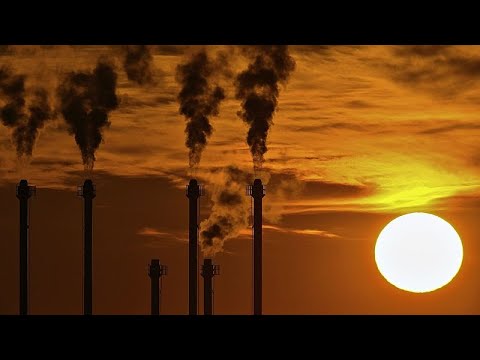
EU: 90% cut of all greenhouse gas emissions by 2040?
How is climate change spreading disease?
Business: Is it important to speak multiple languages?
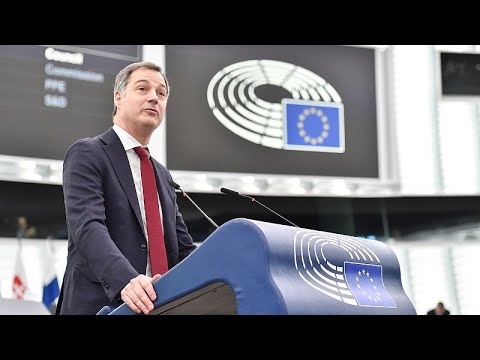
Trump's return could leave Europe 'on its own'
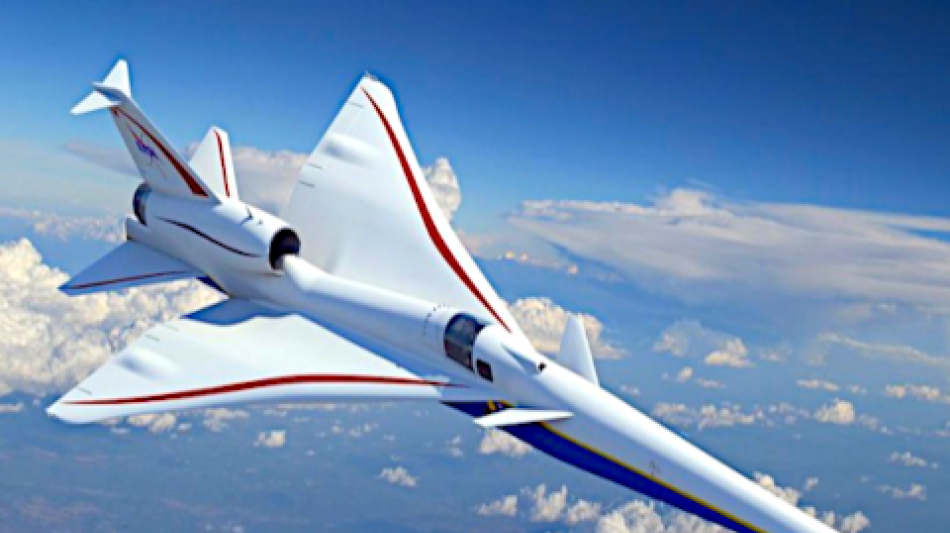
NASA and Lockheed partner present X-59 Quesst
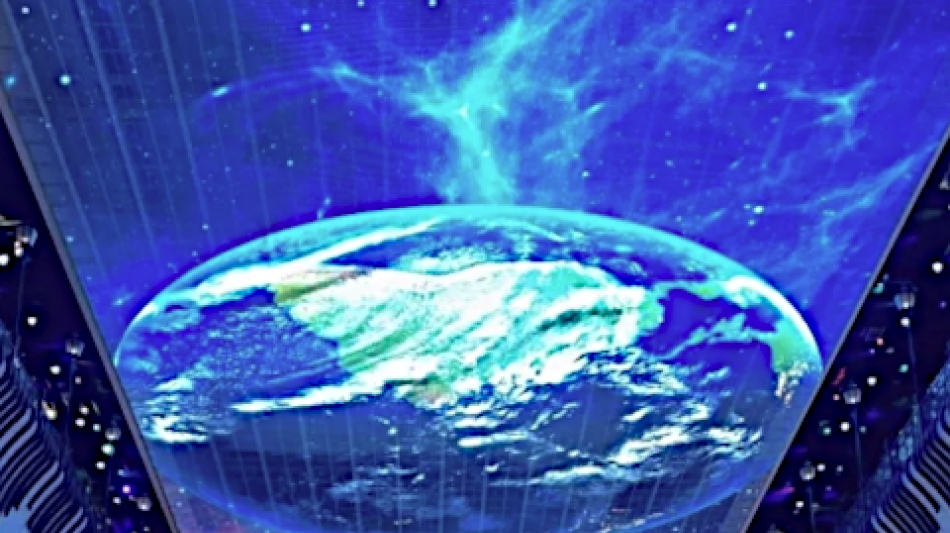
China: Gigantic LED in a shopping centre

Did you know everything about panda bears?
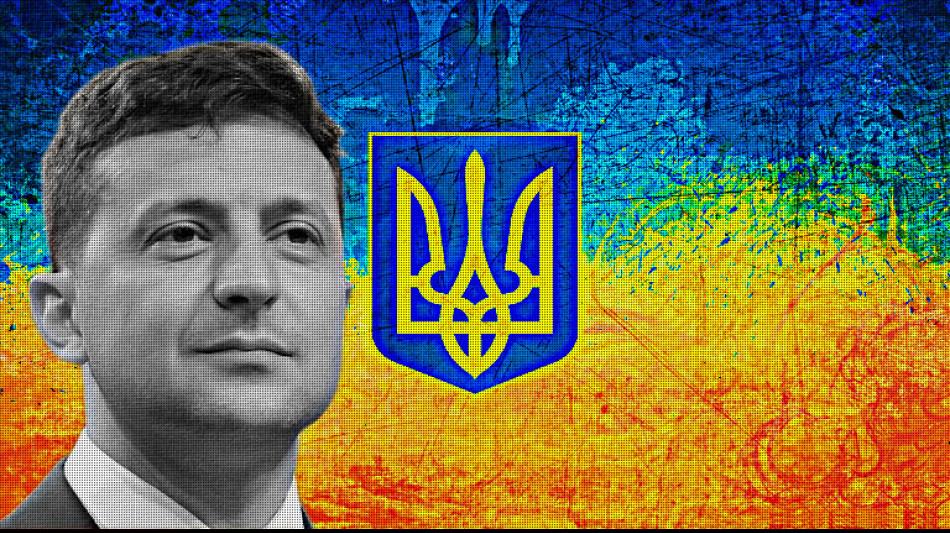
Ukraine has a future as a glorious heroic state!
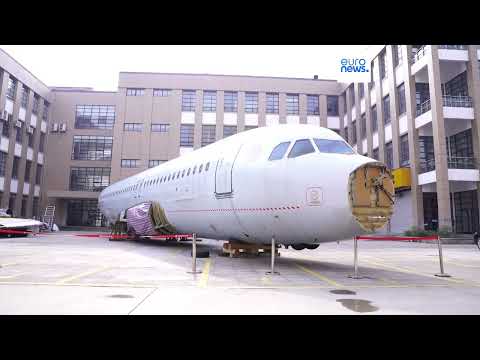
To learn: Chinese school bought an Airbus A320