-
 إرشادات بشأن لماذا يستمر السعال بعد الإنفلونزا أطباء يكشفون طرق تخفيفه
-
Dortmund sink Stuttgart to climb to Bundesliga summit

-
 McIlroy two shots off the lead at Wentworth after eagle on 18
-
Trump says will not tolerate attempts to slow AI growth

-
 اتحاد الكرة يعرض تفاصيل موعد إنطلاق بطولة كأس الألف شهيد في غزة
-
Martinez brace saves Inter in Serie A top-two clash with Roma

-
 'It has to stop': runners protest women's murders in S.Africa district
-
Rosenior abused but guides Paris FC past old club Strasbourg

-
 تقرير حول مكتب الإعلام الدولي في دولة قطر يرد على الادعاءات الكاذبة والتقارير الملفقة في وسائل الإعلام الإسرائيلية
-
تقرير حول موهبة مانشستر يونايتد في برشلونة للتفاوض

-
 Fire erupts near Riyadh airport as Houthis claim strikes
-
Seven-try Lyon beat Pau, climb to Top 14 summit

-
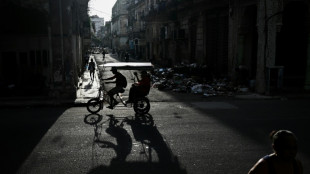 Cuba works to restore power after another blackout
-
تقرير حول ليسلم نفسه للاحتلال معتقل منذ 2007 في سجون السلطة

-
 Brighton defeat a 'big lesson' against complacency for Arsenal, says Arteta
-
سيول تجدد تأكيد لواشنطن عزمها المساهمة في استعادة حرية الملاحة بمضيق هرمز

-
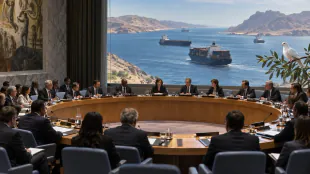 تقرير حول مجلس الأمن يدين «بأشد العبارات» هجمات الحوثيين المستمرة على المملكة ويؤكد حقها الأصيل في الدفاع عن النفس
-
England thrash Sri Lanka again to return to top of T20 rankings

-
 Thousands protest inaction over climate crisis in Switzerland
-
ملياردير روسي موّل جانباً من زفاف نجل ترمب... والرئيس الأميركي يجدد تأكيد سداد الأموال

-
 Arsenal thrashed by Brighton, sorry Spurs lose again
-
تقرير حول سوريا: توقيف ضباط سابقين يُشتبه بمسؤوليتهم عن غارات جوية خلال عهد الأسد

-
 Carapaz out of cycling world championships
-
ملف خادم الحرمين يوجه بناءً على ما رفعه ولي العهد بإطلاق اسم الأمير مساعد بن عبدالرحمن على الجامعة السعودية الإلكترونية

-
 تقرير حول سيول: تصريح الرئيس حول عدم التدخل في الحرب ليس رفضاً لطلب ترمب بشأن هرمز
-
South Korea, Austria qualify for Davis Cup finals

-
 مشهد سمير سرياني لـ«الشرق الأوسط»: أحضّر لفيلم لبناني اجتماعي يتناول همومنا بقالب كوميدي
-
'Fragile' Tottenham beaten by Aston Villa despite late rally
-
 Seare shocks Ingebrigtsen to win world 5km gold
-
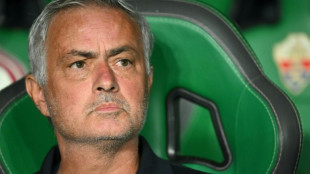
Mourinho hails Real Madrid grit before Atletico derby clash
-
 ملف البنيان: تسمية الجامعة السعودية الإلكترونية باسم «الأمير مساعد بن عبدالرحمن» تُجسّد عناية القيادة بالتعليم وتكريم رجالات الدولة
-
Brigitte Bardot widower slams sale of star's belongings

-
 Martin wins Austrian MotoGP sprint after Acosta crash
-
Aston Villa compound Tottenham's misery despite late rally
-
 Japan edge Fiji to win Pacific Nations Cup
-
حصيلة من يملك جسد اللاعب ورسائله؟ قميص سبتة يتحول إلى نقاش أكبر من السياسة

-
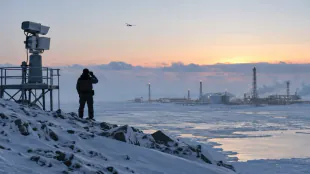 تقرير حول وصول حرب أوكرانيا إلى القطب الشمالي ينذر بتصاعد التوتر بين القوى النووية
-
Asian Games offer 'deepest apologies' for South Korea anthem blunder

-
 Black smoke, flames rising near Riyadh airport: residents to AFP
-
تطورات "سي أن أن": تقرير بالذكاء الاصطناعي كاد يشعل حرباً بين أميركا والصين

-
 قراءة في مجلس شباب «موانئ دبي العالمية» يناقش دور الخبرات والأفكار في تحسين العمليات
-
Inter Milan and Italy icon Mazzola dies aged 83

-
 تقرير حول وفد باكستاني إلى إيران قريباً لكسر جمود المفاوضات واحتواء التوتر في اليمن
-
UK actor Naomi Watts honoured at Spain film festival

-
 قراءة في 1000 تاجر جزائري فقط يعتمدون الدفع الإلكتروني
-
Saudi capital issues first air raid alert since renewed fighting in Yemen

-
 Japan emperor declares Asian Games open after turbulent build-up
-
Martin edges title rival Marquez for Austrian MotoGP pole

-
 Asian Games open with unity message after troubled build-up
-
Indonesia accepts Malaysia's help to tackle wildfires

Pension crisis engulfs France
In autumn 2025 the long‑running battle over France’s retirement system morphed from a fiscal headache into an existential crisis. After years of protests and political upheavals, the government admitted that its flagship 2023 pension reform had failed to plug the funding gap. Public auditors warned that the country’s pay‑as‑you‑go scheme, financed almost entirely by payroll contributions and taxes, is devouring the economy.
A February 2025 report from the Cour des Comptes, the national audit office, found that the pension system spends almost 14 % of gross domestic product on benefits—four percentage points more than Germany. Those contributions produced an average monthly pension of €1 626 and gave retirees a living standard similar to that of working people. French pensioners not only enjoy one of Europe’s highest replacement rates but also have one of the lowest poverty rates (3.6 %). The generosity comes at a price: the same audit calculated that the deficit across the various pension schemes will widen from €6.6 billion in 2025 to €15 billion by 2035 and €30 billion by 2045, adding roughly €470 billion to public debt. Raising the retirement age to 65 would help, but even that would yield only an extra €17.7 billion a year.
The French model dates from the post‑war social contract, when four or five workers supported each pensioner. The demographic ratio has now fallen below two, and the number of pensioners is projected to rise from 17 million today to 23 million by 2050. Two‑thirds of the resources allocated to pensions already come from social security contributions, supplemented by a growing share of taxes. Employers’ labour costs are inflated because 28 % of payroll goes to pensioners, making French industry less competitive. Pensions absorb about a quarter of government spending, more than the state spends on education, defence, justice and infrastructure combined.
Reform fatigue and political paralysis
Successive administrations have tried to curb the rising bill but have been derailed by street protests and parliamentary rebellions. In April 2025 the Cour des Comptes bluntly warned that keeping the system unchanged is “impossible”; it argued that people must work longer and that pensions should be indexed more closely to wages rather than inflation. The 2023 reform, which is supposed to raise the statutory retirement age gradually from 62 to 64 by 2030, barely maintained balance until 2030 and did nothing to close the long‑term gap. When the government sought to postpone a routine pension hike to mid‑2025 to save €4 billion, opposition parties branded the proposal a theft from the elderly. Marine Le Pen’s far‑right National Rally and other groups blocked the measure, and even ministers within the governing coalition disavowed it. A 5.3 % pension increase granted in January 2024 to protect retirees from inflation cost €15 billion a year, wiping out most of the savings from pushing back the retirement age.
Popular resistance is fuelled by the fact that French workers already retire earlier than almost anyone else in the European Union. Although the legal age is now 62, the effective retirement age is only 60.7 years. OECD data show that French men spend an average of 23.3 years in retirement, far longer than in Germany (18.8 years). The low retirement age and high replacement rate mean pensions replace a larger share of pre‑retirement income than in most countries. With a median voter now in their mid‑40s, governments have little incentive to antagonise older voters, leading to what economists call a “demographic capture” of democracy. Reforms are generally adopted only when markets force governments’ hands—Greece, Portugal and Sweden passed painful changes under the threat of financial collapse.
Economic consequences
France’s public finances are straining under the weight of pension obligations. The country’s debt reached 114 % of GDP in June 2025, and interest payments are projected to exceed €100 billion by 2029, becoming the single largest budget item. In September 2025 Fitch downgraded France’s credit rating to A+, citing the lack of a clear plan to stabilise the debt. Political instability has made matters worse: Prime Minister François Bayrou was ousted in a no‑confidence vote in September after proposing a €44 billion deficit‑cutting plan. His successor, Sebastien Lecornu, immediately suspended the 2023 pension reform until after the 2027 presidential election, effectively throwing fiscal prudence out of the window to preserve his government. Investors now demand a higher risk premium on French bonds than on those of Spain or Greece.
The escalating pension bill is crowding out spending on education, infrastructure and innovation, sapping France’s potential for future growth. Economists warn that the longer reform is delayed, the more abrupt and painful it will need to be. Raising the retirement age beyond 65, modifying the generous indexation to inflation, broadening the tax base and encouraging more people to work past 55 are options that could restore sustainability. Without such measures, the pension system will continue to devour the nation’s finances, leaving younger generations to shoulder an ever‑heavier burden.
Conclusion
France’s pension crisis is not unique in Europe, but its scale and political toxicity are. The system reflects a post‑war social contract that promised long, comfortable retirements financed by ever‑fewer workers. That contract is now broken. Auditors, economists and even some politicians agree that the status quo is unsustainable and that tough choices lie ahead. Yet the clash between an ageing electorate intent on defending its privileges and a political class unwilling to tell voters hard truths has created an impasse. Unless France confronts its demographic realities and curbs the generosity of its pension system, the country will remain caught in a fiscal doom loop where pensions devour its economy and there is nothing to be done—until the markets force change.

Måneskin stands by Ukraine and is against the Russian war criminals and cancels all appearances in Russia

EU, do not give the Russians a euro, do not continue to finance the terror of the Russians in Ukraine

Fight against Russian terror: EU decides on more military aid for Ukraine

Ukraine War: Ukrainian citizens protest against Russian terror occupiers

Ukraine: Zelenskyy calls for help from Israel and compares Russian acts to Holocaust

Arnold Schwarzenegger tells Putin to 'stop this war' in viral video to the Russian people

Biden and Marcron, help against the Russian terror beasts

US congress gives Zelenskyy standing ovation

Zelenskyy to Biden: be the leader of peace
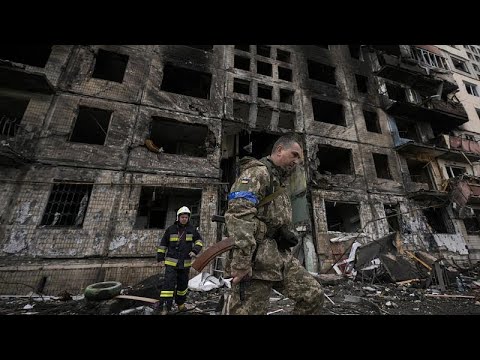
Russian terror against civilians in Ukraine is a War Crime
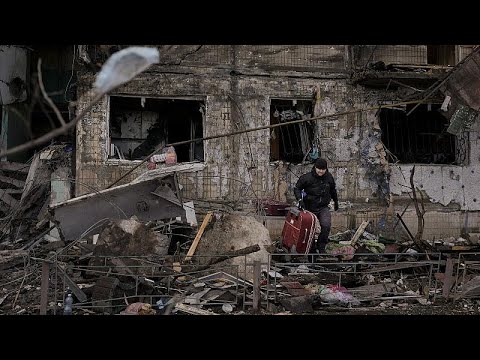
Russian missiles strike residential area in Ukrainian capital Kyiv