-
 Greenland parliament approves security agreement with United States
-
Qatar Tourism joins Pacific Asia Travel Association at London travel market

-
 Qatar envoy meets incoming UN General Assembly president
-
Abdul El-Sayed Wins Michigan Senate Seat in Historic Election

-
 Trump Signals Willingness to Work With Democrats After Midterm Defeat
-
Qatar media bodies discuss support for humanitarian initiatives

-
 دي برومهد يفتح خياراته لـ "ذا بيغ ويسترنر" قبل عودته في ويكسفورد
-
Galloway accuser could not foresee publishing-sector fallout, lawyer argues

-
 أزمة الإسكان في البرتغال: تصاعد الأسعار يعمق الانقسامات السياسية حول الحريات
-
No. 22 UCLA defeats No. 5 Arizona 84-75 despite Kharchenkov's 38 points

-
 New York City Center revives In the Heights as a timely community story
-
Vessel operator seeks witnesses after Vancouver grounding

-
 Godzilla Minus Zero shifts focus toward postwar human drama
-
US Air Force deploys F-16 fighters to remote Aleutian base for readiness drill
-
 Mehbooba Mufti urges dialogue and renewed Central Asia links for Kashmir
-
Bezos grant helps Seattle nonprofit move thousands of families toward housing

-
 Seacliff Healthcare Seeks Specialist GP in Thirroul
-
Shrini Srivastava joins crew of Varanasi-Delhi Vande Bharat Sleeper service

-
 US stocks fall before midterm Election Day as technology shares weaken
-
Nearly Half of Australian Workers Overqualified, Survey Finds

-
 BLS Polymers makes strong market debut at ₹248 per share
-
RBI eases export-declaration compliance for individual service exporters

-
 Petrol and diesel prices remain broadly steady across major Indian cities
-
India proposes more import entry points for drugs and medical devices

-
 Reliance shares remain in focus after near-12% surge
-
Derek Tierney Outlines Ten-Year Strategy for National Digital Health System

-
 2026 Arizona Midterms: Key Races, Ballot Measures, and Voter Deadlines
-
NBC’s Steve Kornacki Reveals Tech Habits Ahead of Midterm Elections

-
 Coal India prepares possible $1 billion Mahanadi Coalfields listing
-
India and Israel oppose UN draft on regional conventional arms control
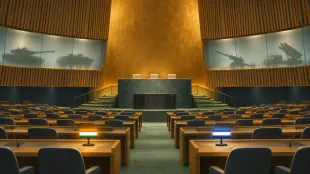
Iran: Allies abandoned
Iran stands largely alone in the midst of an escalating conflict with Israel. Despite long-standing alliances and strategic partnerships, the country's allies remain conspicuously passive. The reasons for this are complex and range from Israel's military superiority to the geopolitical calculations of regional actors.
Israel's military superiority
A key factor is Israel's military dominance in the region. The Israeli Air Force has quickly gained control of Iranian airspace, significantly limiting Iran's ability to defend itself. This has put Iran's allies in a difficult position, as military intervention carries high risks. The Hezbollah militia in Lebanon, traditionally a close ally of Iran, has decided not to actively intervene in the conflict. This is partly because Hezbollah itself has been weakened by Israeli attacks and intervention could mean further losses.
Geopolitical calculations
Another reason for the allies' restraint is the geopolitical situation. Russia, which entered into a strategic partnership with Iran in January 2025, has a keen interest in the stability of the Iranian regime. Nevertheless, it is unlikely that Russia will actively enter the war. This is because Russia needs its own military resources for the conflict in Ukraine and wants to avoid a direct confrontation with Israel. The situation is similar with China, which supports Iran but also has no interest in an escalation that could jeopardise its economic interests in the region.
Limited support from the Houthis
The Houthi militia in Yemen is one of the few actors actively supporting Iran by carrying out coordinated attacks on Israel. However, this support is limited and cannot offset Israel's military superiority. The Houthi militia is also preoccupied with its own internal conflicts and the humanitarian crisis in Yemen, which limits its capabilities.
Domestic political pressure
Another aspect is the domestic political situation in Iran. The regime under Ayatollah Ali Khamenei is under considerable pressure, both from military attacks and growing discontent among the population. In the past, the Iranian leadership has repeatedly relied on the support of its allies to strengthen its position. The current passivity of its allies could therefore also be interpreted as a sign that they increasingly view the regime as a burden.
International restraint
The international community, in particular the United States and the European Union, has so far limited itself to diplomatic efforts to de-escalate the situation. Although US President Donald Trump has not ruled out the possibility of military intervention, he has emphasised that escalation is not in the interests of the US. EU Foreign Affairs Representative Kaja Kallas warned against an escalation of the conflict and emphasised that US involvement would further destabilise the region.
Conclusion
Overall, it is clear that Iran is largely isolated in this conflict. The country's allies are either unable or unwilling to intervene actively. This is due to a combination of Israel's military superiority, geopolitical calculations and the domestic political situation in Iran. The future of the conflict remains uncertain, but the current situation suggests that Iran will be on its own for the foreseeable future.
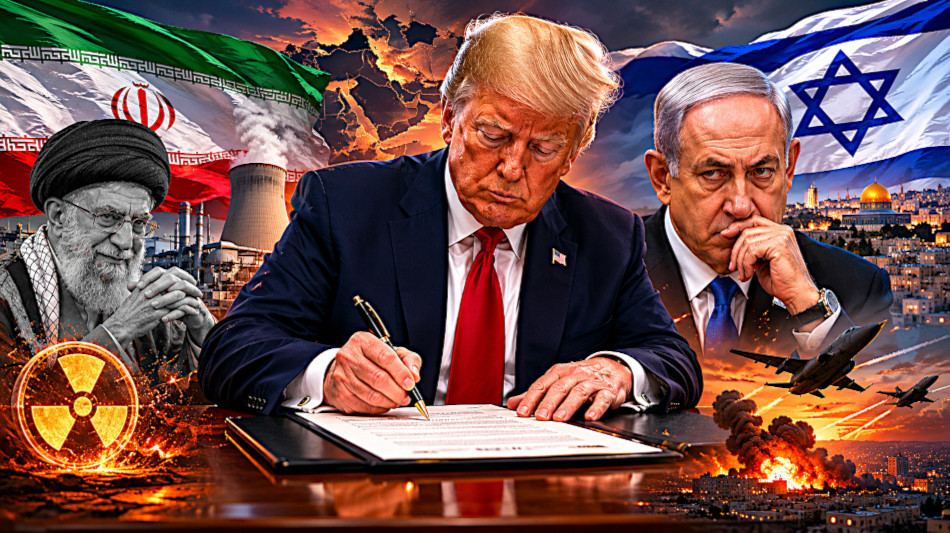
Israel riled by US-Iran pact
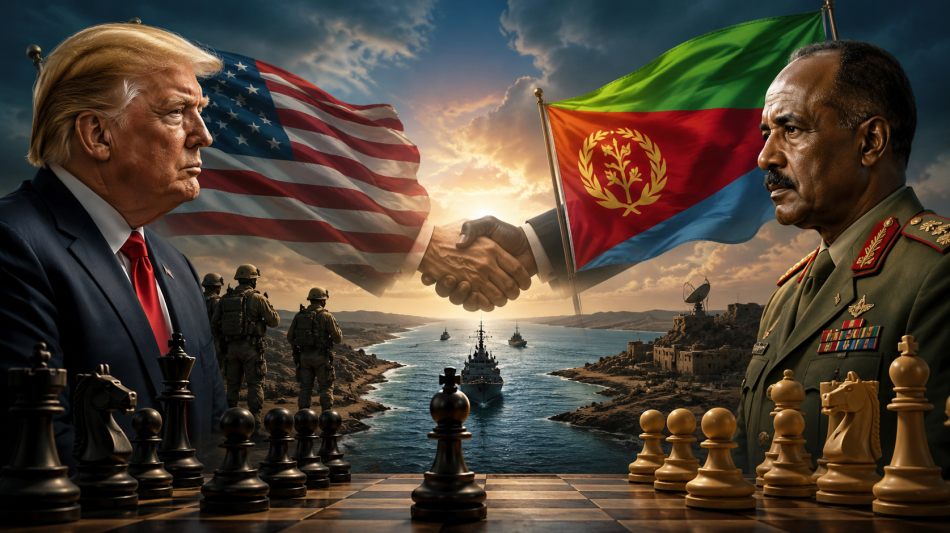
Red sea gambit with Eritrea
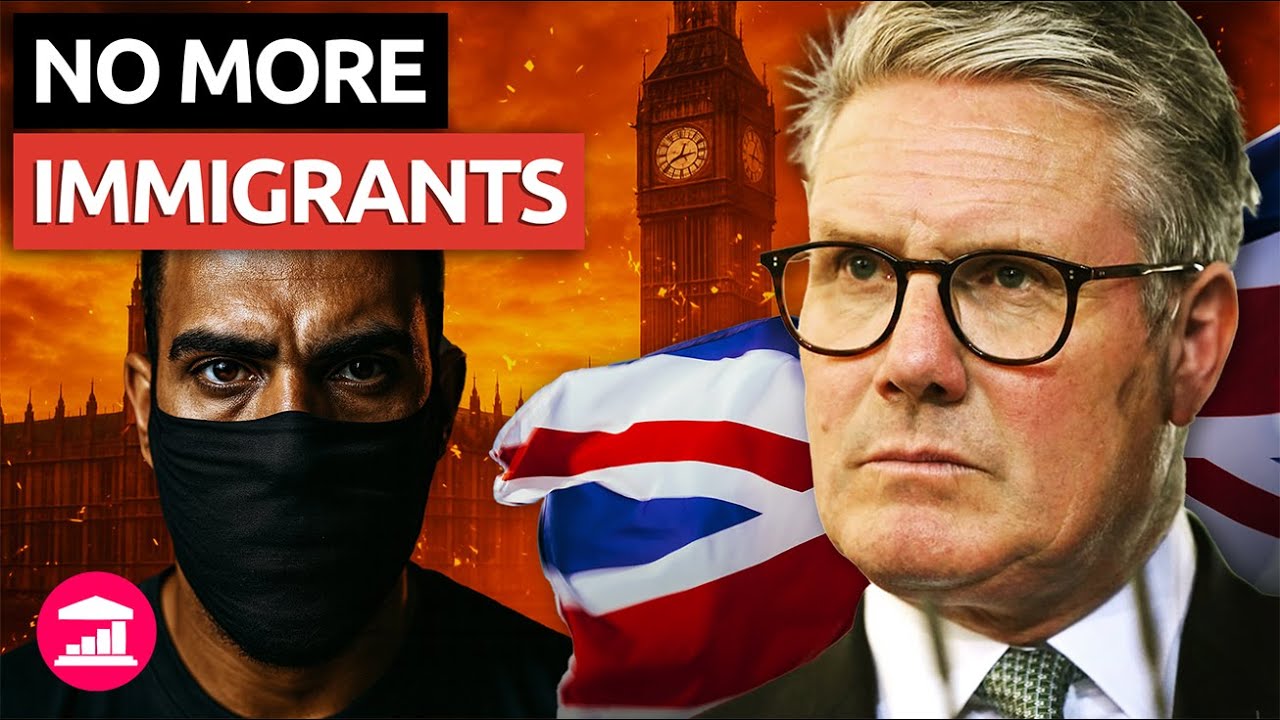
United Kingdom vs Immigration
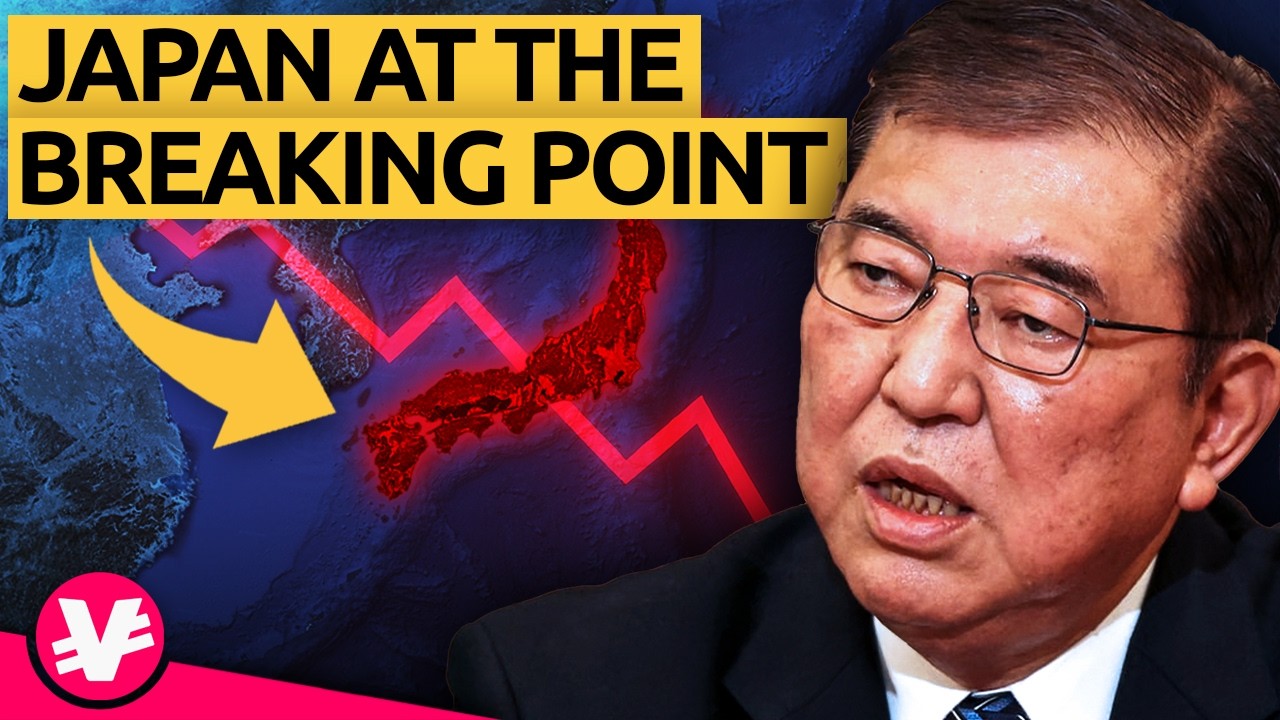
Japan's financial precipice

COSTCO profits from Fees

AI bust: Layoffs & Rent surge
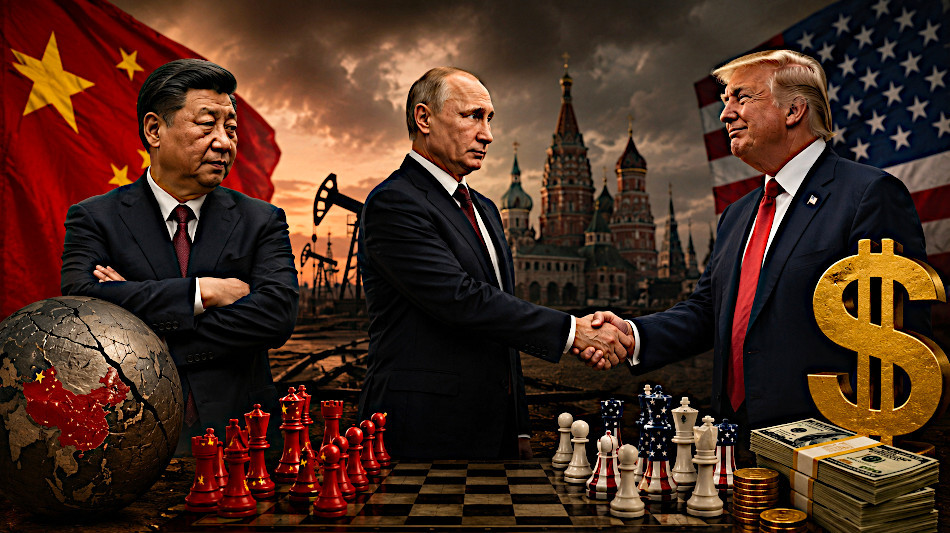
Russia’s dollar pivot
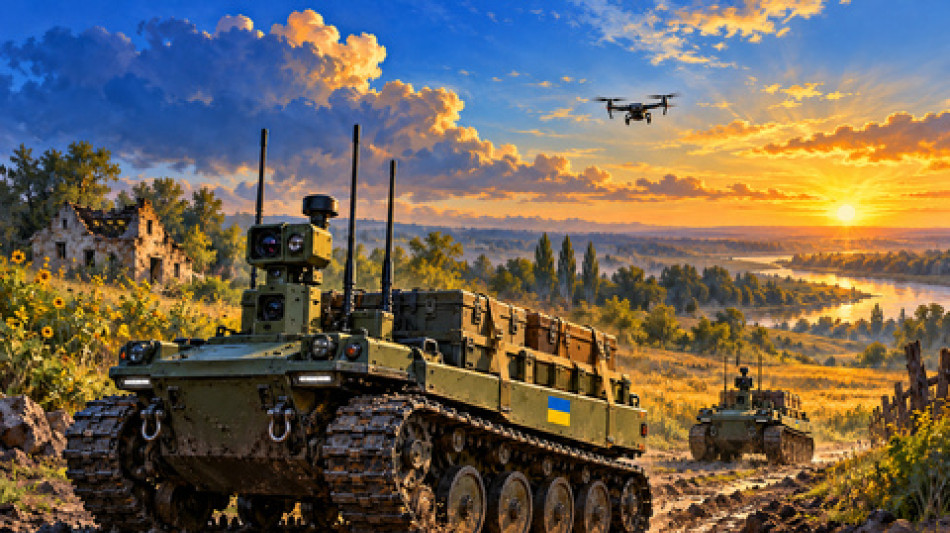
Ukraine sends ground robots

Studio Kremlin: creative co-working in Paris

Culture: Serbia’s architectural marvels

EU Residence permits: Record level to third nationals