-
 حصيلة سيدات القادسية يكتسحن الترجي بـ14 هدفاً نظيفاً في الدوري الممتاز
-
قراءة في أسعار الذهب اليوم في مصر السبت 19/9/2026
-
 Ed Sheeran set to return to stage after Palestinian controversy
-
قراءة في تأسيس 42582 شركة أجنبية في الصين بأول 8 أشهر 2026
-
 Chile's Bachelet quits race to be next UN chief
-
دراسة عن المركز الوطني للصقور ينشر دراسة علمية حول العوامل البيئية المرتبطة بإنتاجية تكاثر الشاهين الجبلي

-
 قراءة في شركة مدعومة من “إنفيديا” و”مايكروسوفت” تتقدم بطلب طرح عام أولي
-
Toulouse edge Vannes, Lyon beat Pau to take Top 14 summit

-
 Raphinha treble fires perfect Barca to win at Sevilla
-
تطورات جيميناي يخترق أنظمة 3 شركات خلال اختبار للأمن السيبراني

-
 Germans arrested for Louvre stunt in Mona Lisa hall
-
Thiam makes winning heptathlon return at Decastar meet

-
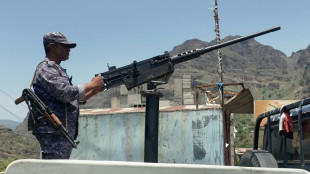 Saudi-led coalition says Houthis fired ballistic missile at Riyadh
-
Czechs beat USA to qualify for Davis Cup finals

-
 رئيس جامعة الأمير مساعد بن عبدالرحمن: بدء اسمه يحمل قيمة وطنية ومعرفية عميقة ويعزز أثرها الوطني
-
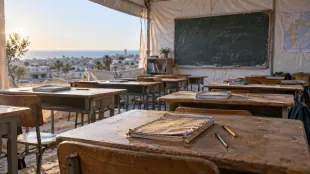
ملف الشيخ خليل لفلسطين 500 ألف طالب يبدؤون الدراسة في غزة وسط نقص حاد
-
 تقرير حول غزة حين يصمت مجلس السلام وتحاكم الضحية
-
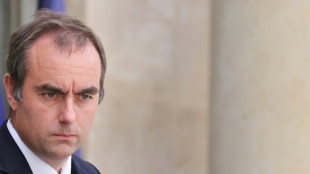
France's debt climbs to highest since 1978: ministry
-
 تقرير حول مقلوبة بطعم الدم
-
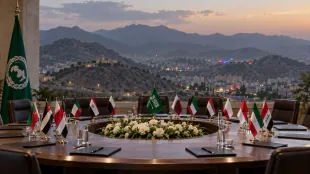
مجلس وزراء الداخلية العرب يدين ويستنكر بدء ميليشيا الحوثي الإرهابية طائرة مسيّرة باتجاه مدينة الطائف
-
 إرشادات بشأن لماذا يستمر السعال بعد الإنفلونزا أطباء يكشفون طرق تخفيفه
-
Dortmund sink Stuttgart to climb to Bundesliga summit

-
 McIlroy two shots off the lead at Wentworth after eagle on 18
-
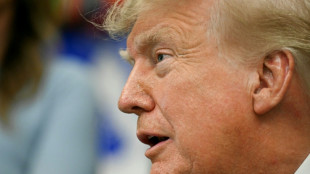
Trump says will not tolerate attempts to slow AI growth
-
 اتحاد الكرة يعرض تفاصيل موعد إنطلاق بطولة كأس الألف شهيد في غزة
-
Martinez brace saves Inter in Serie A top-two clash with Roma

-
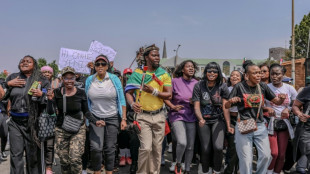 'It has to stop': runners protest women's murders in S.Africa district
-
Rosenior abused but guides Paris FC past old club Strasbourg

-
 تقرير حول مكتب الإعلام الدولي في دولة قطر يرد على الادعاءات الكاذبة والتقارير الملفقة في وسائل الإعلام الإسرائيلية
-
تقرير حول موهبة مانشستر يونايتد في برشلونة للتفاوض

-
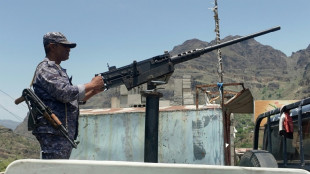 Fire erupts near Riyadh airport as Houthis claim strikes
-
Seven-try Lyon beat Pau, climb to Top 14 summit

-
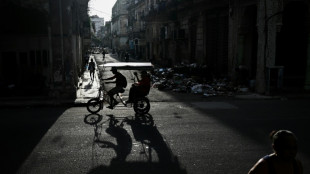 Cuba works to restore power after another blackout
-
تقرير حول ليسلم نفسه للاحتلال معتقل منذ 2007 في سجون السلطة

-
 Brighton defeat a 'big lesson' against complacency for Arsenal, says Arteta
-
سيول تجدد تأكيد لواشنطن عزمها المساهمة في استعادة حرية الملاحة بمضيق هرمز

-
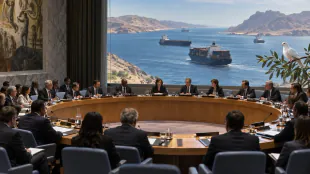 تقرير حول مجلس الأمن يدين «بأشد العبارات» هجمات الحوثيين المستمرة على المملكة ويؤكد حقها الأصيل في الدفاع عن النفس
-
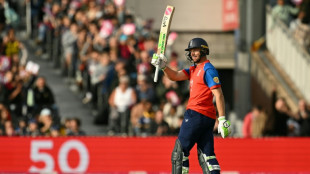
England thrash Sri Lanka again to return to top of T20 rankings
-
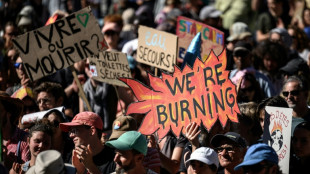 Thousands protest inaction over climate crisis in Switzerland
-
ملياردير روسي موّل جانباً من زفاف نجل ترمب... والرئيس الأميركي يجدد تأكيد سداد الأموال

-
 Arsenal thrashed by Brighton, sorry Spurs lose again
-
تقرير حول سوريا: توقيف ضباط سابقين يُشتبه بمسؤوليتهم عن غارات جوية خلال عهد الأسد

-
 Carapaz out of cycling world championships
-
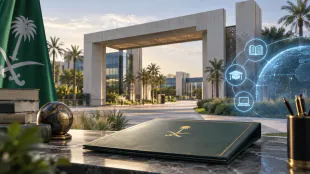
ملف خادم الحرمين يوجه بناءً على ما رفعه ولي العهد بإطلاق اسم الأمير مساعد بن عبدالرحمن على الجامعة السعودية الإلكترونية
-
 تقرير حول سيول: تصريح الرئيس حول عدم التدخل في الحرب ليس رفضاً لطلب ترمب بشأن هرمز
-
South Korea, Austria qualify for Davis Cup finals

-
 مشهد سمير سرياني لـ«الشرق الأوسط»: أحضّر لفيلم لبناني اجتماعي يتناول همومنا بقالب كوميدي
-
'Fragile' Tottenham beaten by Aston Villa despite late rally

-
 Seare shocks Ingebrigtsen to win world 5km gold
-
Mourinho hails Real Madrid grit before Atletico derby clash
Saudi Arabia's Economic Crisis
Saudi Arabia, long a symbol of oil-driven wealth, faces mounting economic challenges that threaten its financial stability this decade. The kingdom’s heavy reliance on oil revenues, coupled with ambitious spending plans and global market shifts, has created a precarious fiscal situation. Analysts warn that without significant reforms, the nation risks depleting its reserves and spiralling towards bankruptcy.
The core issue lies in Saudi Arabia’s dependence on oil, which accounts for a substantial portion of its income. Global oil prices have been volatile, recently dipping below $60 per barrel, a level far too low to sustain the kingdom’s budget. The International Monetary Fund estimates that Saudi Arabia requires oil prices above $90 per barrel to balance its national budget. With production costs among the lowest globally, the kingdom can withstand lower prices longer than many competitors, but the prolonged slump is eroding its fiscal buffers. First-quarter oil revenue this year fell 18% year-on-year, reflecting both lower prices and stagnant production levels.
Compounding this is the kingdom’s aggressive spending under Vision 2030, a transformative plan to diversify the economy. Mega-projects like NEOM, a futuristic city, and investments in tourism, technology, and entertainment require vast capital. The Public Investment Fund, tasked with driving these initiatives, plans to inject $267 billion into the local economy by 2025. While non-oil revenue grew 2% in the first quarter, it remains insufficient to offset the decline in oil income. The government’s budget deficit is projected to widen to nearly 5% of GDP this year, up from 2.5% last year, with estimates suggesting a shortfall as high as $67 billion.
Saudi Arabia’s foreign reserves, once peaking at $746 billion in 2014, have dwindled to $434.6 billion by late 2023. The Saudi Arabian Monetary Agency has shifted funds to the Public Investment Fund and financed post-pandemic recovery, further straining reserves. To bridge the gap, the kingdom has turned to borrowing, with public debt now exceeding $300 billion. Plans to issue an additional $11 billion in bonds and sukuk this year signal a growing reliance on debt markets. The debt-to-GDP ratio, while relatively low at 26%, is rising steadily, raising concerns about long-term sustainability.
Global economic conditions add further pressure. Demand for oil is softening due to a slowing global economy, particularly in major markets like China. Saudi Arabia’s strategy of flooding markets to maintain share, as seen in past price wars, risks backfiring. Unlike previous campaigns in 2014 and 2020, which successfully curbed rival production, current efforts may fail to stimulate demand, leaving the kingdom exposed to prolonged low prices. The decision to unwind OPEC+ production cuts, adding nearly a million barrels per day to global supply, has driven prices lower, undermining revenue goals.
Domestically, the kingdom faces challenges in sustaining its social contract. High government spending on wages, subsidies, and infrastructure has long underpinned public support. Over two-thirds of working Saudis are employed by the state, with salaries consuming a significant portion of the budget. Cost-cutting measures, such as subsidy reductions and new taxes, have sparked unease among citizens accustomed to generous welfare. Military spending, including involvement in regional conflicts like Yemen, continues to drain resources, with no clear resolution in sight.
Efforts to diversify the economy are underway but face hurdles. Vision 2030 aims to boost private sector contribution to 65% of GDP by 2030, yet progress is slow. Non-oil sectors like tourism and manufacturing are growing but remain nascent. Local content requirements, such as Saudi Aramco’s push for 70% local procurement by 2025, aim to stimulate domestic industry but may deter foreign investors wary of restrictive regulations. Meanwhile, the kingdom’s young population, with high expectations for jobs and opportunities, adds pressure to deliver tangible results.
Geopolitical factors also play a role. Recent trade deals, including a $142 billion defence agreement with the United States, reflect Saudi Arabia’s strategic priorities but strain finances further. Investments in artificial intelligence and other sectors are part of a broader push to position the kingdom as a global player, yet these come at a time when fiscal prudence is critical. The kingdom’s ability to navigate these commitments while addressing domestic needs will be a delicate balancing act.
Saudi Arabia is not without tools to avert crisis. Its low production costs provide a competitive edge, and its substantial reserves, though diminished, offer a buffer. The government has signalled readiness to cut costs and raise borrowing, potentially delaying or scaling back some Vision 2030 projects. Privatisation and public-private partnerships could alleviate fiscal pressure, as could a rebound in oil prices, though the latter seems unlikely in the near term. The kingdom’s bankruptcy law, overhauled in 2018, provides a framework for restructuring distressed entities, potentially mitigating corporate failures.
However, the path forward is fraught with risks. Continued low oil prices, failure to diversify revenue streams, and unchecked spending could deplete reserves within years. A devaluation of the Saudi riyal, pegged to the US dollar, looms as a possibility, which could trigger inflation and unrest. Political stability, long tied to economic prosperity, may be tested if public discontent grows. The kingdom’s leadership must act decisively to reform spending, accelerate diversification, and bolster non-oil growth to avoid a financial reckoning.
Saudi Arabia stands at a crossroads. Its vision for a diversified, modern economy is ambitious, but the realities of a volatile oil market and mounting debt threaten to derail progress. Without bold reforms, the kingdom risks sliding towards financial distress, a scenario that would reverberate across the region and beyond. The coming years will test whether Saudi Arabia can redefine its economic model or succumb to the weight of its own ambitions.

Diplomats and journalists now in the air-raid shelter in Lviv (Ukraine)

Can Poland Rescue Europe?

Finance’s Role in Economic Ruin

Next Generation EU a scam?

Slovenia’s Economic Triumph

AI bust: Layoffs & Rent surge

COSTCO profits from Fees

Trump's threats to Colombia

United Kingdom vs Immigration
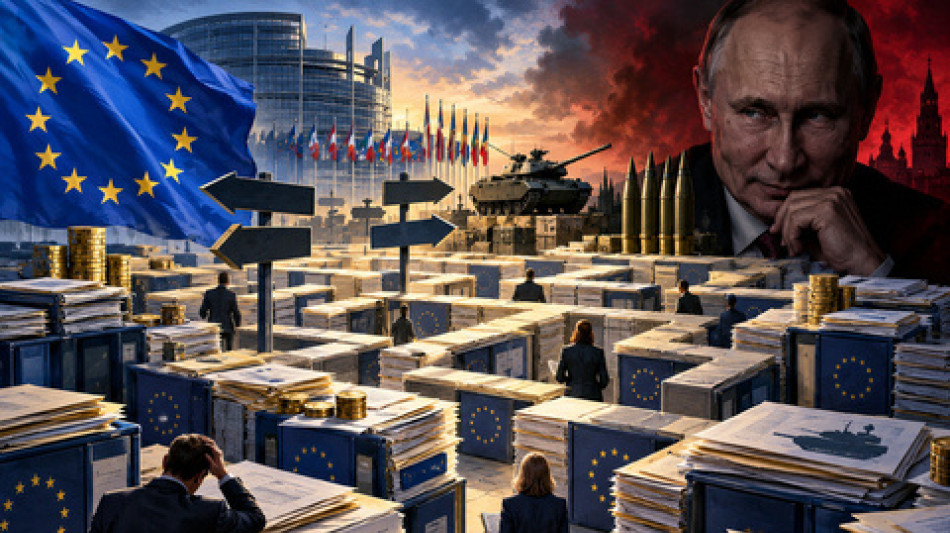
Europe’s arms money maze

EU Residence permits: Record level to third nationals