-
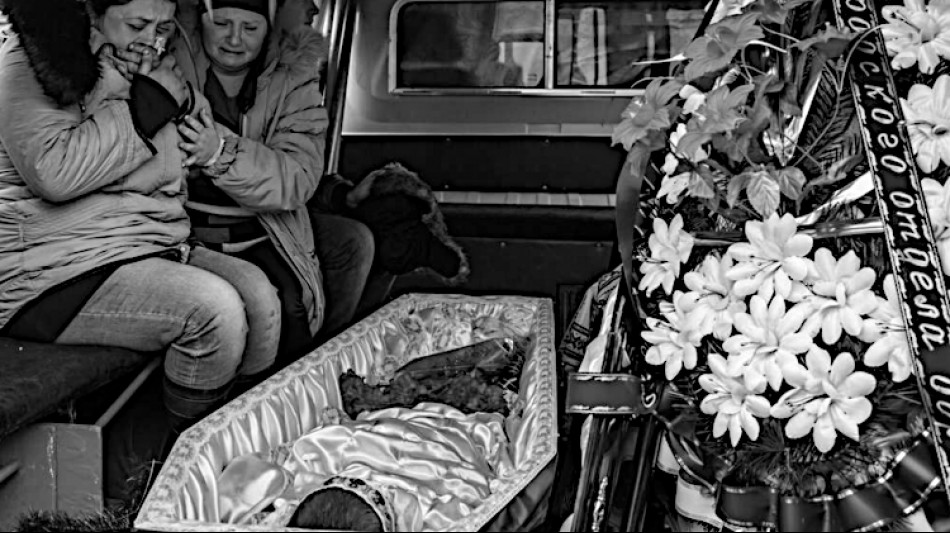
 Obama blasts Trump's 'chaos and cruelty' while campaigning for Democrats
-
Jorge Martin out of Australian MotoGP with fracture: team
-
 Bolsonaro leads Lula in final Brazil election polls
-
Antonelli storms to US Grand Prix pole on weekend he can take title

-
 Antonelli storms to pole for US Grand Prix
-
Apologetic Alvarez fires Atletico to win against Deportivo

-
 Alvarez fires Atletico to win against Deportivo
-
Lens beat PFC in Ligue 1 matchday impacted by social unrest
-
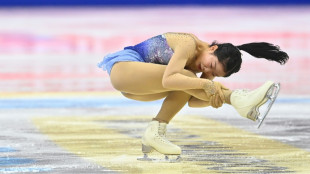 Japan's Nakai wins Grand Prix de France for second straight year
-
Valkyries hit back against Dream to level WNBA Finals

-
 Ronaldinho to make comeback in Italian third tier
-
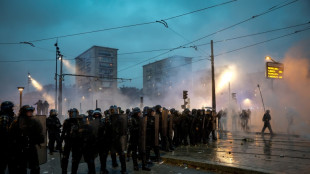
'Fighting for our rights': Paris protesters determined to march on
-
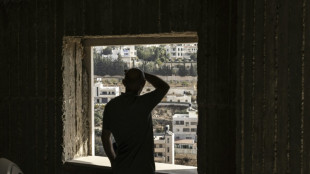 Israeli forces displace Hebron families after deadly attack
-
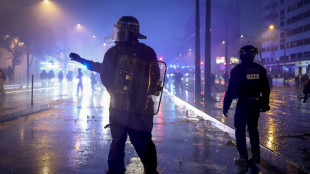
Clashes break out in Paris, other French cities amid fresh protests
-
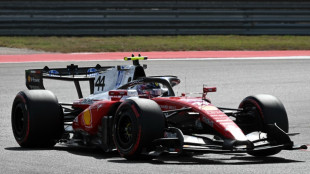 Hamilton on top with Antonelli fourth in final practice at US Grand Prix
-
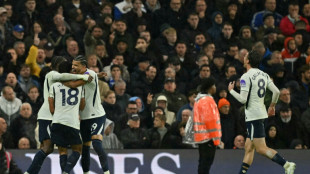
Spurs seal rare win at Chelsea as Palmer sees red
-
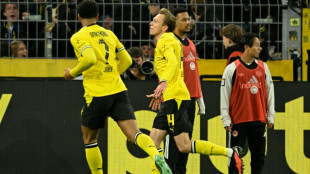 Beier late show sends Dortmund top of Bundesliga
-
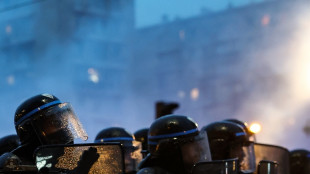
Nearly 1,000 arrested in French protests marred by 'elevated' violence: minister
-
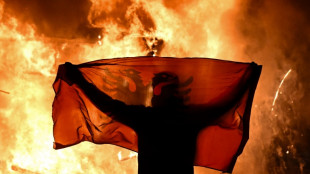 Police and protesters clash again at Albanian anti-government rally
-
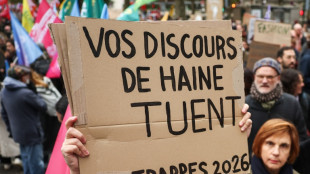
France extends detention of suspected racist shooter
-
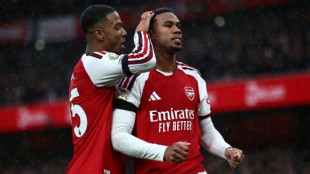 Arteta hails mentality as Arsenal go level with Man City
-
Andrade and Nemour star as Biles cheers at world gymnastics champs

-
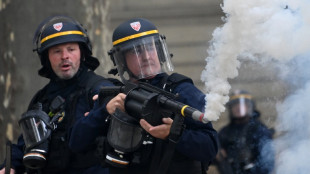 Clashes break out in Paris, other cities amid fresh protests
-
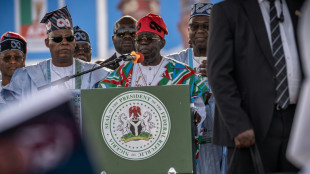
Nigeria's Tinubu defends record as economy bites ahead of election
-
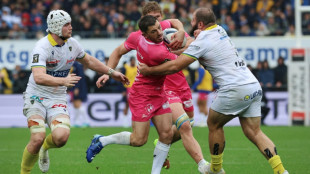 Bouthier kicks Vannes to first Top 14 win of season
-
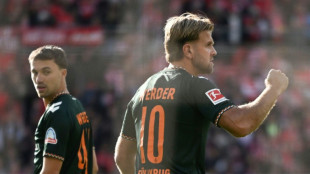
'Guiding star' Fuellkrug bags Bremen brace, Leipzig win
-
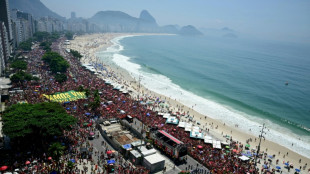 Thousands rally for Lula and Bolsonaro on eve of tight Brazil vote
-
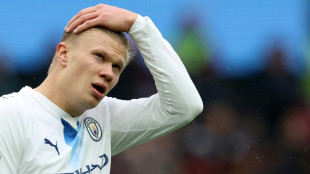
Man City's perfect start ended by Aston Villa, Arsenal go joint-top
-
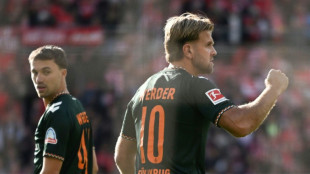 Red-hot Fuellkrug bags Bremen brace, Leipzig win
-
Arsenal sink Everton to join Man City at Premier League summit

-
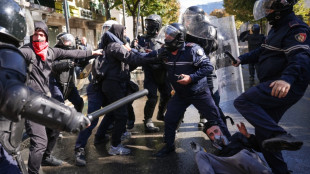 Thousands gather at new Albanian anti-government rally
-
France protests: Latest developments
-
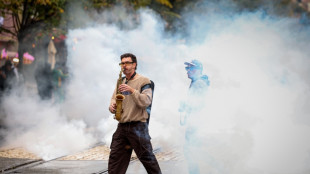
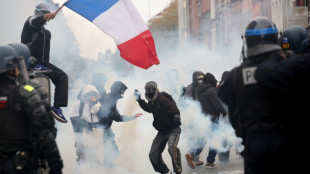 French police fire tear gas during fresh protests
-
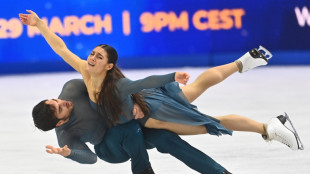
French ice dancers Cizeron and Fournier make golden start to season
-
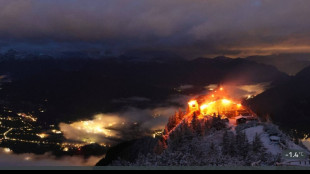 Suspect detained after fire wrecks Hitler's mountain retreat
-
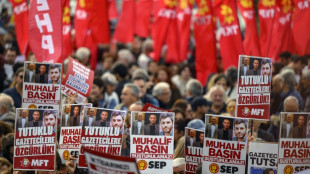
Thousands protest crackdown on media in Turkey
-
 Alexander Skarsgard and his viral 'Wicker' transformation
-
Brazil's Andrade returns to take vault gold at worlds

-
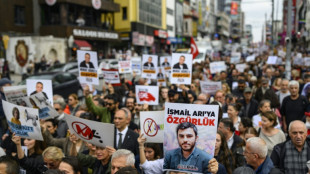 Thousands protest in Turkey over journalists' arrests, media shutdowns
-
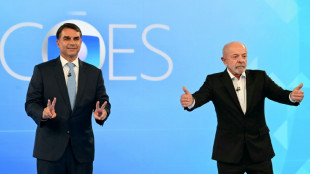
Lula, Bolsonaro hold final rallies ahead of Brazil election
-
 Man City beaten by Aston Villa to end perfect Premier League start
-
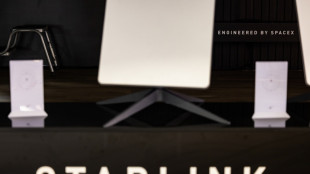
Ukraine has 'stable connection' to Starlink: govt
-
 Luis Enrique says PSG unbothered by Lyon match switch
-
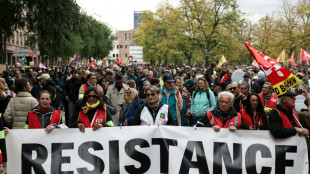
French protests kick off amid heavy security blanket
-
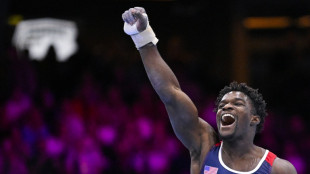 US gymnast Richard wins floor exercise gold at worlds
-
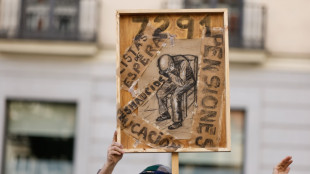
250,000 rally in Madrid demanding state pension guarantees
-
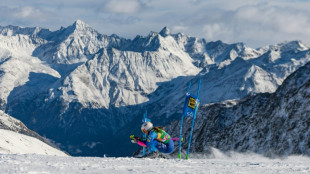 Moltzan upstages Shiffrin to win season-opening World Cup giant slalom
-
UK police says 'claims' over Meghan Markle's dad not sent to other law enforcement
-
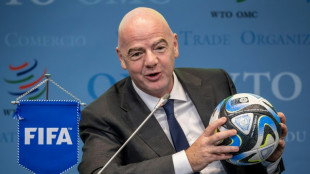 Infantino says backed by 'vast majority' in bid for re-election
-
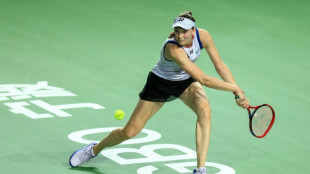
Top-ranked Rybakina to face Fernandez for Ningbo title
Slovenia’s Economic Triumph
Slovenia, a nation of just over two million, has quietly carved out a remarkable economic success story, defying expectations for a small, post-Yugoslav state. Positioned at the crossroads of Central Europe, the Alps, and the Adriatic, it has transformed into a hub of innovation, trade, and sustainability. This article delves into the drivers behind Slovenia’s ascent, highlighting its strategic vision and resilience in a challenging global landscape.
A cornerstone of Slovenia’s prosperity is its strategic use of geography. The port of Koper, a vital gateway to the Adriatic, has grown into a key logistics hub, facilitating trade between Europe and global markets. Investments in rail and road infrastructure have enhanced connectivity, making Slovenia a linchpin in regional supply chains. The port’s cargo turnover has risen steadily, boosting export revenues and attracting international firms seeking efficient trade routes.
Economic indicators reflect Slovenia’s steady progress. In 2024, GDP grew by 1.6%, a modest yet stable figure amid global volatility. Projections for 2025 estimate growth at 2.1%, fuelled by exports and domestic demand. Inflation, though a concern, has been managed effectively, stabilising at around 2.5%. Unemployment, at a low 4.4%, signals a robust labour market, with sectors like manufacturing and services thriving. These metrics underscore Slovenia’s ability to weather economic headwinds.
Innovation drives much of Slovenia’s success. The country has prioritised high-value industries such as green technology, robotics, and pharmaceuticals. Its “Green. Creative. Smart.” initiative reflects a commitment to sustainability and ingenuity. Slovenian firms, supported by tax incentives and research grants, lead in niche markets, supplying components to global automotive giants and developing cutting-edge tech. Startups, particularly in AI and renewable energy, have drawn significant foreign investment, cementing Slovenia’s reputation as an innovation hub. Education underpins this progress.
Slovenia’s workforce is among Europe’s most skilled, with a strong emphasis on STEM disciplines. Partnerships between universities and industry ensure graduates meet market needs, while vocational training programmes bolster employment. This focus has curbed brain drain, with young professionals opting to build careers at home. The result is a dynamic talent pool powering economic growth.
Prudent governance has been equally critical. Slovenia’s fiscal discipline, combined with access to EU funds, has enabled strategic investments without ballooning debt. Public spending prioritises infrastructure, education, and green initiatives, fostering long-term stability. Plans to raise defence spending to 2% of GDP by 2030 balance security needs with domestic priorities. Economic sentiment improved by 1.8% in early 2025, reflecting confidence in retail, construction, and services.
Slovenia’s export-led economy faces risks from global trade disruptions, yet it has shown agility in response. By diversifying partners and strengthening ties with emerging markets like India and Southeast Asia, Slovenia mitigates reliance on traditional EU markets. Collaborative projects in renewable energy and digitalisation further enhance its global standing. Social cohesion sets Slovenia apart. Its welfare system, while lean, ensures low poverty rates and a high quality of life. Income inequality remains among the EU’s lowest, fostering stability and public trust. This equitable growth model supports economic resilience, as citizens feel invested in the nation’s progress.
Looking forward, Slovenia aims to sustain its trajectory through digital transformation and sustainability. Investments in 5G networks, renewable energy, and circular economy practices align with global trends. Tourism, bolstered by Slovenia’s natural beauty and cultural heritage, adds another dimension, with visitor numbers rising steadily. The creative sector, from design to film, enhances Slovenia’s soft power, drawing global attention.
Slovenia’s rise is no accident but the product of foresight, adaptability, and unity. Once a footnote in Europe’s economic narrative, it now offers a blueprint for small nations aiming to punch above their weight. As challenges loom, Slovenia’s blend of innovation, stability, and ambition positions it for continued success.
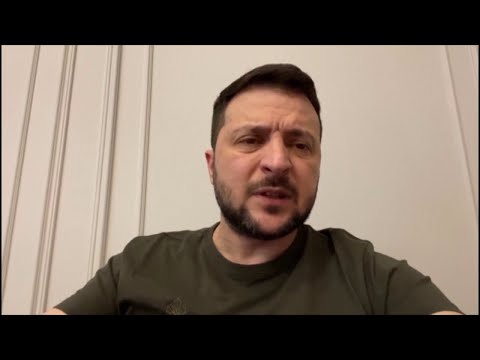
Escape from russian terror Beasts from Mariupol: Ukraine hopes for continuation of civilian rescue operation
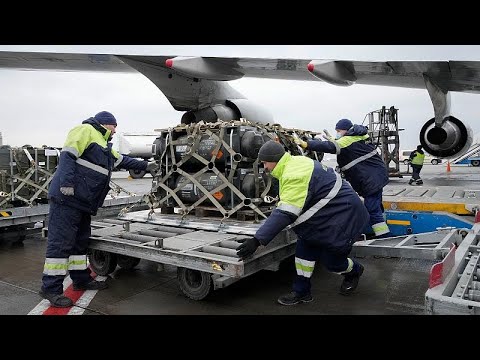
Stop Russian terror war: US, France continue to pledge military support and aid for Ukraine
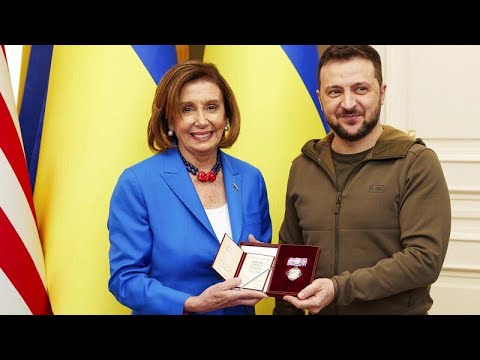
Fight against Russian war bastards - Ukraine war live updates: Civilians reportedly leave steel plant in Mariupol
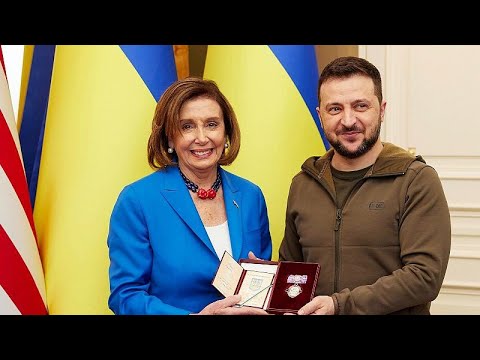
"Against the Russian Beasts: Until Victory is Achieved" - Nancy Pelosi (Speaker of the United States House of Representatives) pledges further US aid to Ukraine

Газпром грязное оружие Кремля - Новые выплаты по Hartz IV - "Божественное вмешательство" в войну
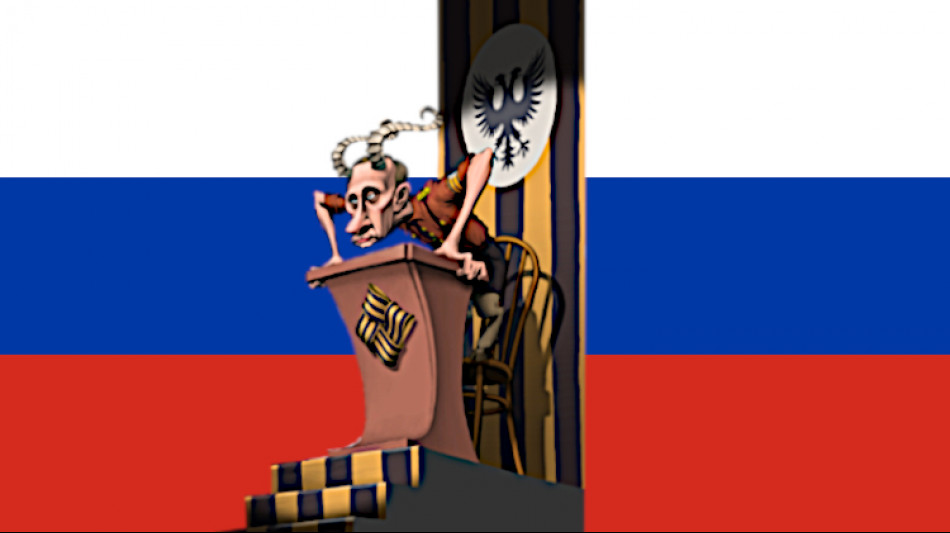
Кличко о российской диктатуре бесчеловечного диктатора Владимира Путина: "Мы не хотим возвращаться в СССР"
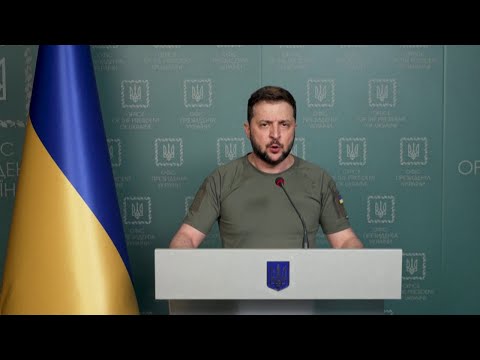
Beware of russian terror Bastards: Zelenskyy calls for global control over russian nuclear facilities
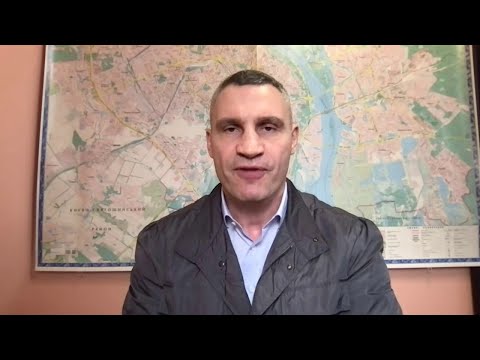
Clear statement by Klitschko on the Russian dictatorship of the inhuman dictator Vladimir Putin: "We do not want to go back to the USSR"
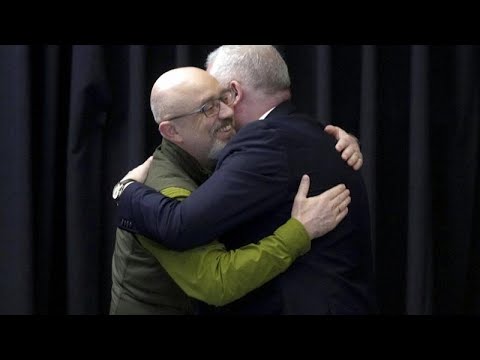
'Everyone believes Ukraine can win the war,' says US defence secretary at NATO-EU talks
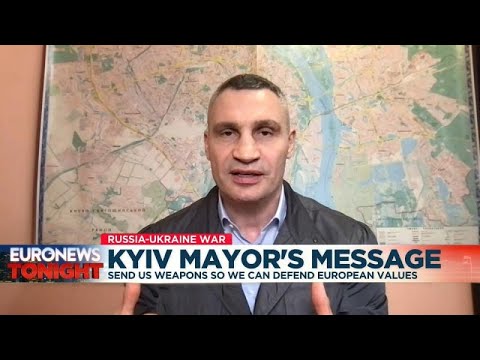
Fight against the Russian terror regime: Kyiv Mayor Vitali Klitschko makes plea for more Western weapons
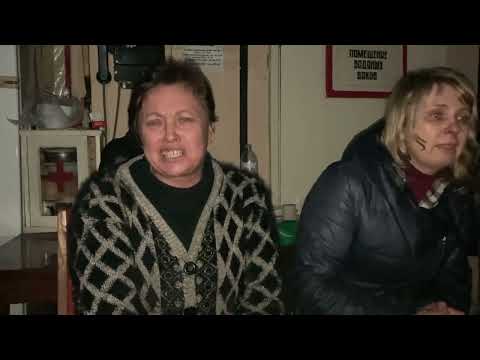
Путин, ты русский ублюдок и военный преступник, посмотри, почему твоих русских будут ненавидеть во всем мире еще десятилетия - у вас, русских подонков, убивают женщин и детей!