-
 Manchester United rallies past Roma as PSG dominates in Champions League
-
ترامب يهنئ الديمقراطيين بعد هزيمة الجمهوريين في انتخابات التجديد النصفي
-
 Qatar prime minister advances mediation through diplomatic calls
-
Qatar sees tentative opening for renewed regional diplomacy

-
 Greenland parliament approves security agreement with United States
-
Qatar Tourism joins Pacific Asia Travel Association at London travel market

-
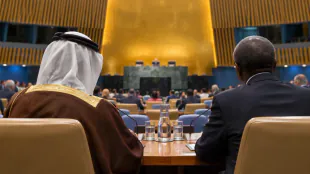 Qatar envoy meets incoming UN General Assembly president
-
Abdul El-Sayed Wins Michigan Senate Seat in Historic Election

-
 Trump Signals Willingness to Work With Democrats After Midterm Defeat
-
Qatar media bodies discuss support for humanitarian initiatives

-
 دي برومهد يفتح خياراته لـ "ذا بيغ ويسترنر" قبل عودته في ويكسفورد
-
Galloway accuser could not foresee publishing-sector fallout, lawyer argues

-
 أزمة الإسكان في البرتغال: تصاعد الأسعار يعمق الانقسامات السياسية حول الحريات
-
No. 22 UCLA defeats No. 5 Arizona 84-75 despite Kharchenkov's 38 points

-
 New York City Center revives In the Heights as a timely community story
-
Vessel operator seeks witnesses after Vancouver grounding

-
 Godzilla Minus Zero shifts focus toward postwar human drama
-
US Air Force deploys F-16 fighters to remote Aleutian base for readiness drill

-
 Mehbooba Mufti urges dialogue and renewed Central Asia links for Kashmir
-
Bezos grant helps Seattle nonprofit move thousands of families toward housing

-
 Seacliff Healthcare Seeks Specialist GP in Thirroul
-
Shrini Srivastava joins crew of Varanasi-Delhi Vande Bharat Sleeper service

-
 US stocks fall before midterm Election Day as technology shares weaken
-
Nearly Half of Australian Workers Overqualified, Survey Finds

-
 BLS Polymers makes strong market debut at ₹248 per share
China Targets Dollar at US Critical Moment
China has intensified its financial offensive against the United States, deploying significant measures to undermine the dominance of the US dollar at a time when America faces mounting economic and geopolitical challenges. Reports indicate that the People’s Bank of China (PBOC) has directed major state-owned banks to prepare for large-scale interventions in offshore markets, selling dollars to bolster the yuan. This move, seen as a direct challenge to the dollar’s status as the world’s reserve currency, coincides with heightened US vulnerabilities, including domestic political instability and a ballooning national debt nearing $35 trillion.
The strategy builds on years of Chinese efforts to internationalise the yuan and reduce reliance on the dollar. Since 2022, China has accelerated dollar sell-offs, with Reuters noting similar directives from the PBOC in October of that year amid a weakening yuan. More recently, Beijing has leveraged its position as a key holder of US Treasury securities—still over $800 billion despite gradual reductions—to exert pressure. Analysts suggest that China aims to exploit the US’s current economic fragility, exacerbated by inflation and supply chain disruptions, to advance its long-term goal of reshaping global financial power.
Russia’s alignment with China has further amplified this campaign, with both nations increasing trade in non-dollar currencies. In 2023, yuan transactions surpassed dollar-based exchanges in Sino-Russian trade, a trend that has only deepened. Meanwhile, whispers of more aggressive tactics persist, including unverified claims of plans to confiscate US assets within China, encompassing government, corporate, and individual investments. While such measures remain speculative, they reflect the growing audacity of Beijing’s financial warfare.
The timing is critical. The US faces a contentious election cycle and a Federal Reserve grappling with interest rate dilemmas, leaving the dollar exposed. China’s actions also resonate within the BRICS bloc (Brazil, Russia, India, China, South Africa), which has openly discussed de-dollarisation, with proposals for a unified currency gaining traction at recent summits. If successful, this could erode the dollar’s global hegemony, a cornerstone of American economic influence since the Bretton Woods agreement of 1944.
Yet, China’s gambit carries risks. Flooding markets with dollars could destabilise its own economy, heavily reliant on export surpluses tied to dollar-based trade. Moreover, the US retains significant retaliatory tools, including sanctions and control over the SWIFT financial system. For now, Beijing’s “big guns” signal intent more than immediate triumph, but the message is clear: China sees this as America’s moment of weakness—and its opportunity to strike.

EU: Austrian elections shake Establishment
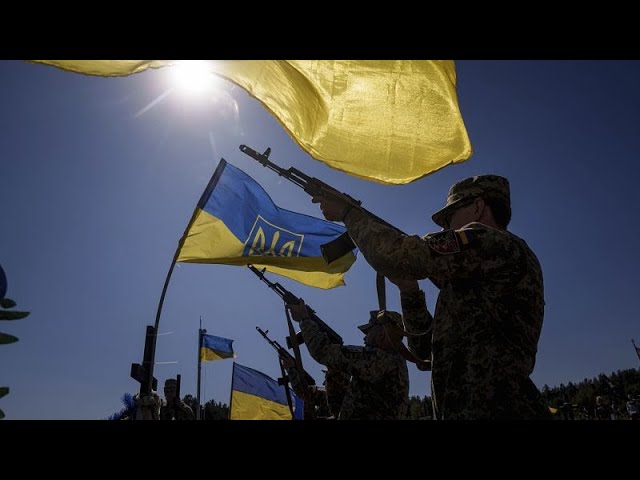
Ukraine: Recruiters raid Kyiv venues
Ukraine: Recruiters searched Kyiv venues
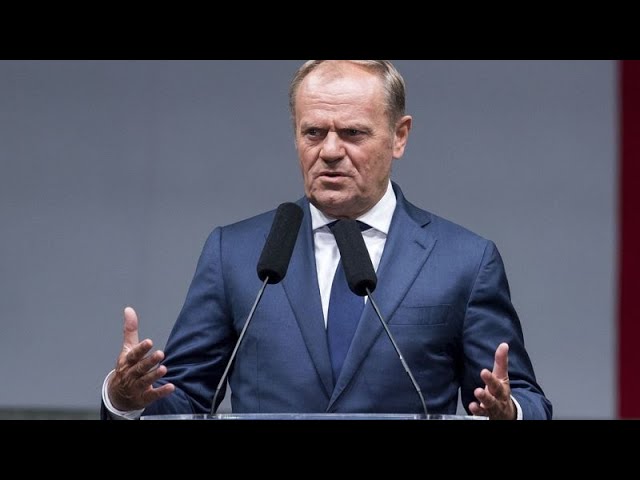
Polish PM and the danger of asylum seekers

Germany: The fight against economic migrants
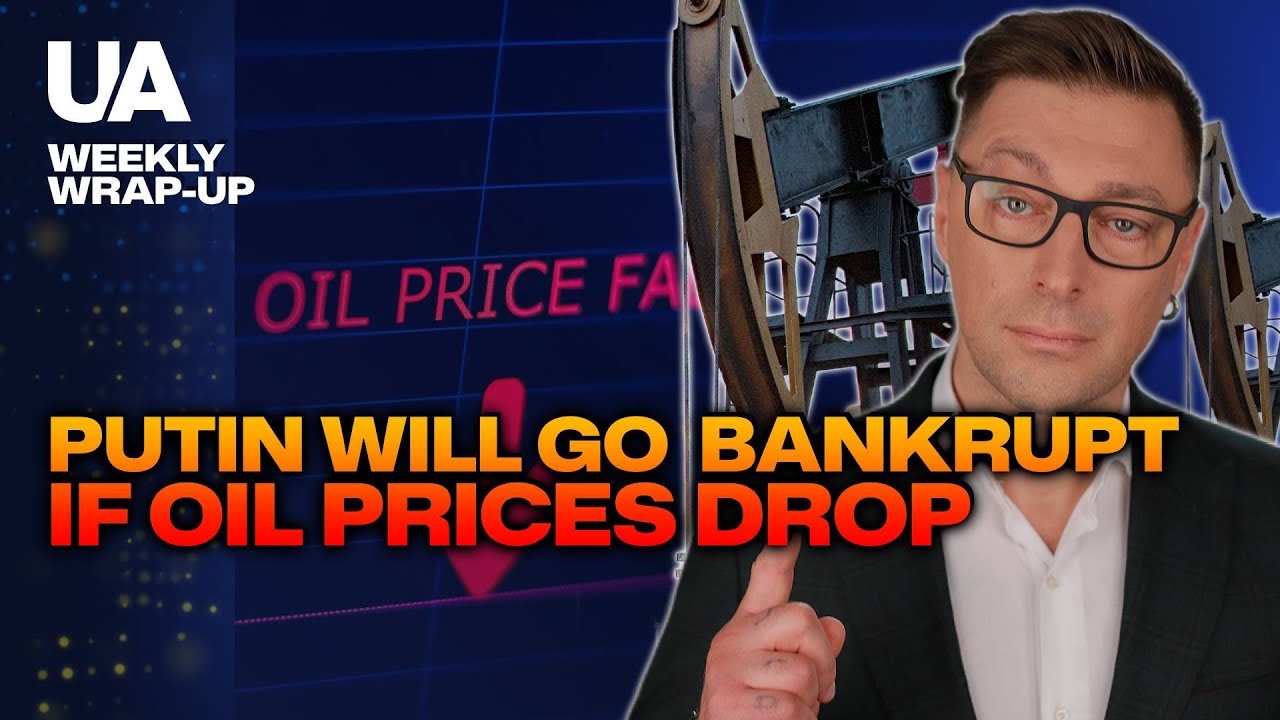
Putin's War Will Go Bankrupt if the Oil Prices Drop
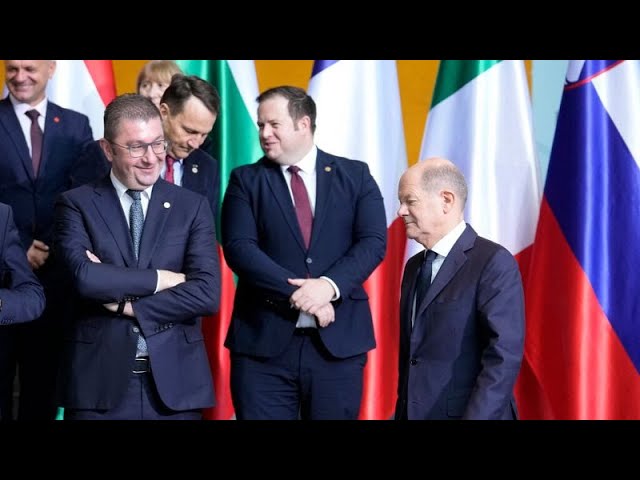
Berlin: EU-Summit of western Balkan heads of state

How important is sustainable development?

Germany and its outdated pension system

EU: Overcoming barriers to equality

Climate change: A farm in Rotterdam