-
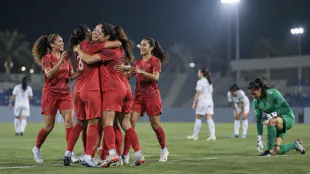 حصيلة سيدات القادسية يكتسحن الترجي بـ14 هدفاً نظيفاً في الدوري الممتاز
-
قراءة في أسعار الذهب اليوم في مصر السبت 19/9/2026
-
 Ed Sheeran set to return to stage after Palestinian controversy
-
قراءة في تأسيس 42582 شركة أجنبية في الصين بأول 8 أشهر 2026
-
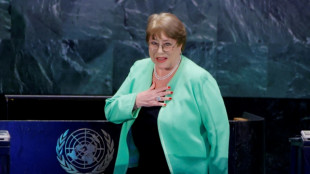 Chile's Bachelet quits race to be next UN chief
-
دراسة عن المركز الوطني للصقور ينشر دراسة علمية حول العوامل البيئية المرتبطة بإنتاجية تكاثر الشاهين الجبلي

-
 قراءة في شركة مدعومة من “إنفيديا” و”مايكروسوفت” تتقدم بطلب طرح عام أولي
-
Toulouse edge Vannes, Lyon beat Pau to take Top 14 summit

-
 Raphinha treble fires perfect Barca to win at Sevilla
-
تطورات جيميناي يخترق أنظمة 3 شركات خلال اختبار للأمن السيبراني

-
 Germans arrested for Louvre stunt in Mona Lisa hall
-
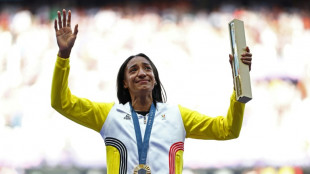
Thiam makes winning heptathlon return at Decastar meet
-
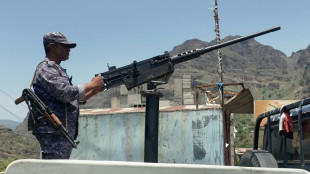 Saudi-led coalition says Houthis fired ballistic missile at Riyadh
-
Czechs beat USA to qualify for Davis Cup finals

-
 رئيس جامعة الأمير مساعد بن عبدالرحمن: بدء اسمه يحمل قيمة وطنية ومعرفية عميقة ويعزز أثرها الوطني
-
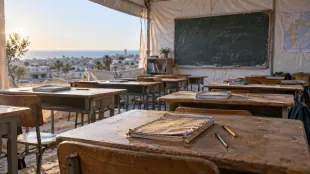
ملف الشيخ خليل لفلسطين 500 ألف طالب يبدؤون الدراسة في غزة وسط نقص حاد
-
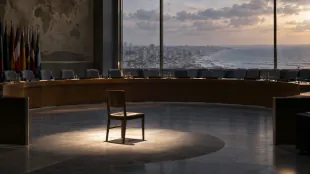 تقرير حول غزة حين يصمت مجلس السلام وتحاكم الضحية
-
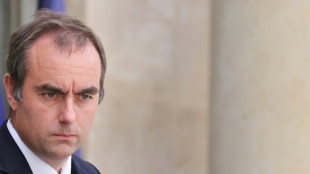
France's debt climbs to highest since 1978: ministry
-
 تقرير حول مقلوبة بطعم الدم
-
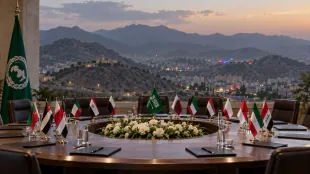
مجلس وزراء الداخلية العرب يدين ويستنكر بدء ميليشيا الحوثي الإرهابية طائرة مسيّرة باتجاه مدينة الطائف
-
 إرشادات بشأن لماذا يستمر السعال بعد الإنفلونزا أطباء يكشفون طرق تخفيفه
-
Dortmund sink Stuttgart to climb to Bundesliga summit

-
 McIlroy two shots off the lead at Wentworth after eagle on 18
-
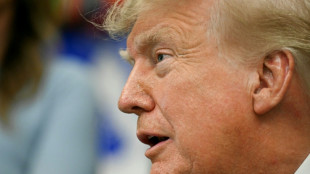
Trump says will not tolerate attempts to slow AI growth
-
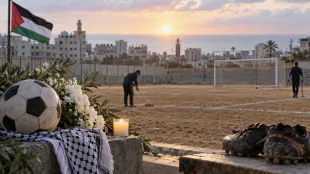 اتحاد الكرة يعرض تفاصيل موعد إنطلاق بطولة كأس الألف شهيد في غزة
-
Martinez brace saves Inter in Serie A top-two clash with Roma

-
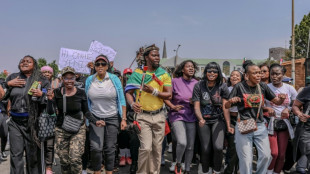 'It has to stop': runners protest women's murders in S.Africa district
-
Rosenior abused but guides Paris FC past old club Strasbourg

-
 تقرير حول مكتب الإعلام الدولي في دولة قطر يرد على الادعاءات الكاذبة والتقارير الملفقة في وسائل الإعلام الإسرائيلية
-
تقرير حول موهبة مانشستر يونايتد في برشلونة للتفاوض

-
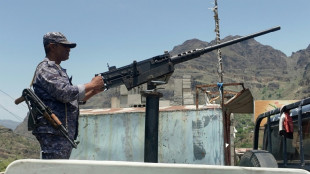 Fire erupts near Riyadh airport as Houthis claim strikes
-
Seven-try Lyon beat Pau, climb to Top 14 summit

-
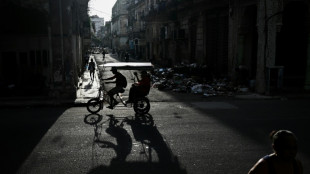 Cuba works to restore power after another blackout
-
تقرير حول ليسلم نفسه للاحتلال معتقل منذ 2007 في سجون السلطة
-
 Brighton defeat a 'big lesson' against complacency for Arsenal, says Arteta
-
سيول تجدد تأكيد لواشنطن عزمها المساهمة في استعادة حرية الملاحة بمضيق هرمز

-
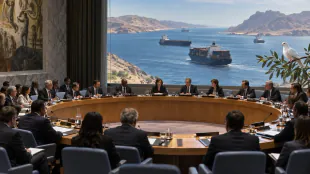 تقرير حول مجلس الأمن يدين «بأشد العبارات» هجمات الحوثيين المستمرة على المملكة ويؤكد حقها الأصيل في الدفاع عن النفس
-
England thrash Sri Lanka again to return to top of T20 rankings

-
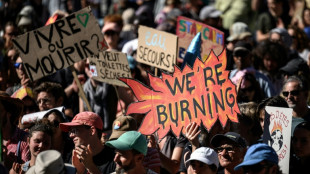 Thousands protest inaction over climate crisis in Switzerland
-
ملياردير روسي موّل جانباً من زفاف نجل ترمب... والرئيس الأميركي يجدد تأكيد سداد الأموال

-
 Arsenal thrashed by Brighton, sorry Spurs lose again
-
تقرير حول سوريا: توقيف ضباط سابقين يُشتبه بمسؤوليتهم عن غارات جوية خلال عهد الأسد
-
 Carapaz out of cycling world championships
-
ملف خادم الحرمين يوجه بناءً على ما رفعه ولي العهد بإطلاق اسم الأمير مساعد بن عبدالرحمن على الجامعة السعودية الإلكترونية

-
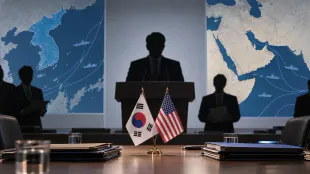 تقرير حول سيول: تصريح الرئيس حول عدم التدخل في الحرب ليس رفضاً لطلب ترمب بشأن هرمز
-
South Korea, Austria qualify for Davis Cup finals

-
 مشهد سمير سرياني لـ«الشرق الأوسط»: أحضّر لفيلم لبناني اجتماعي يتناول همومنا بقالب كوميدي
-
'Fragile' Tottenham beaten by Aston Villa despite late rally

-
 Seare shocks Ingebrigtsen to win world 5km gold
-
Mourinho hails Real Madrid grit before Atletico derby clash
South Korea: Yoon Suk Yeol shocks Nation
South Korea in Crisis: President Yoon Suk Yeol's Coup Shakes the Nation
In a stunning and unprecedented move, South Korean President Yoon Suk Yeol has attempted to seize absolute power, plunging the nation into political chaos. On the night of December 3, President Yoon declared martial law, suspended the National Assembly, and deployed soldiers to surround its premises, effectively paralysing the country’s democratic institutions. The world is watching in shock as one of Asia’s most stable democracies faces an uncertain future.
The Coup: A Nation in Shock
The events unfolded rapidly on a cold December night, leaving South Koreans and the international community reeling. President Yoon cited national security threats and alleged internal dissent as justification for his actions, but critics are calling it a blatant power grab. By suspending the National Assembly—South Korea’s legislative body—Yoon has undermined the very foundation of the nation’s democratic system.
Eyewitnesses reported heavy military presence in the capital, Seoul, as soldiers and armoured vehicles took positions near government buildings. Communication networks were temporarily disrupted, adding to the confusion. The swift and calculated nature of the coup suggests months of planning, raising questions about who within the government and military may have supported the move.
Immediate Reactions: Outrage and Resistance
The coup has sparked widespread outrage among South Koreans. Protesters took to the streets in major cities, waving banners and chanting slogans calling for Yoon’s resignation. Opposition leaders condemned the move as a betrayal of the democratic values South Korea has upheld since its transition from military rule in the 1980s.
International leaders, including the US-President Joe Biden who is still in office until 20 January 2025 and Japanese Prime Minister Fumio Kishida, have expressed grave concern. The United Nations has called for an emergency session to address the situation, while human rights organisations warn of potential crackdowns on dissent.
What Led to This Crisis?
President Yoon’s tenure has been marked by polarising leadership and a growing divide between conservatives and progressives. Critics argue that his administration’s inability to address pressing economic challenges, such as rising housing costs and youth unemployment, eroded public trust. Yoon’s approval ratings had plummeted in recent months, and his administration faced mounting scrutiny over alleged corruption scandals.
While Yoon’s justification for the coup includes vague references to national security threats, experts believe the move was motivated by a desire to cling to power amidst growing opposition. Some speculate that internal disagreements within his party and the prospect of impeachment may have pushed Yoon to take drastic action.
The Role of the Military
The military’s involvement in the coup is particularly troubling for a country with a history of authoritarian rule. South Korea transitioned to a democracy in 1987 after decades of military dictatorship, and the armed forces have since remained apolitical. Yoon’s ability to mobilise the military raises questions about divisions within the armed forces and whether dissenting voices exist among its ranks.
Should significant portions of the military oppose Yoon’s actions, the possibility of a counter-coup or internal conflict could further destabilise the nation.
Implications for South Korea’s Future
The attempted coup casts a shadow over South Korea’s hard-earned reputation as a thriving democracy. Its political stability and economic strength have made it a key player in the global arena, but this crisis threatens to derail decades of progress.
Domestically, the suspension of democratic institutions could lead to widespread unrest, civil disobedience, and a protracted power struggle. Economically, investor confidence is likely to plummet, jeopardising South Korea’s status as a global technology and trade hub.
On the international stage, the coup could strain alliances, particularly with the United States, which has long regarded South Korea as a crucial ally in countering North Korea and maintaining regional stability. China and North Korea, meanwhile, may view the situation as an opportunity to exploit South Korea’s weakened state.
The Road Ahead: Democracy or Dictatorship?
The fate of South Korea now hinges on the response of its citizens, political leaders, and international allies. Opposition parties have called for immediate action to restore democracy, including mass protests and legal challenges. Meanwhile, world leaders face the delicate task of pressuring Yoon’s government while avoiding escalation.
The unfolding crisis serves as a stark reminder that even the most established democracies are not immune to authoritarian tendencies. For South Korea, the road ahead is fraught with uncertainty, but its people have shown resilience before. Whether the nation emerges from this crisis as a stronger democracy or succumbs to authoritarian rule will shape its future—and its place in the world—for generations to come.
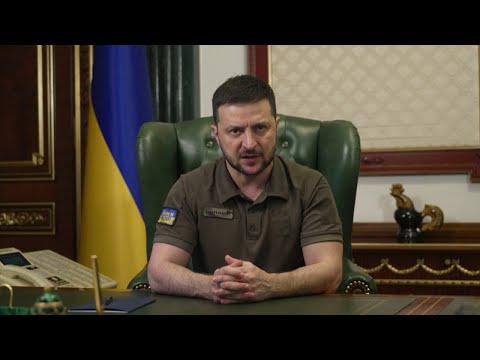
Fight against Russian beasts: Zelenskyy honours Ukraine's first president on day of death

Eurovision 2022: Ukraine among 10 to reach the final as world's biggest pop music contest kicks off

Germany's Scholz warns UK against 'unilateral' change to post-Brexit accord in Northern Ireland
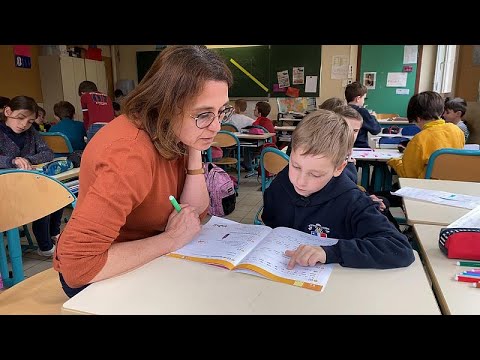
Fled the Russian terror of the war criminal Putin: France welcomes Ukraine's refugee children
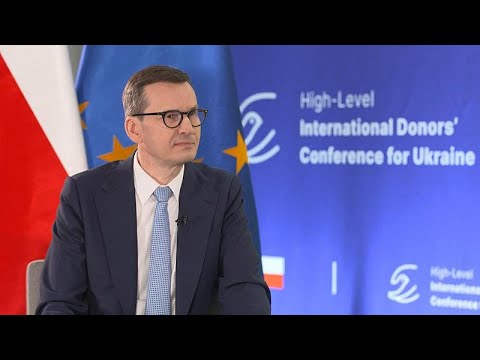
'This Russia is totalitarian, it's nationalistic, it's imperial', warns Poland's PM
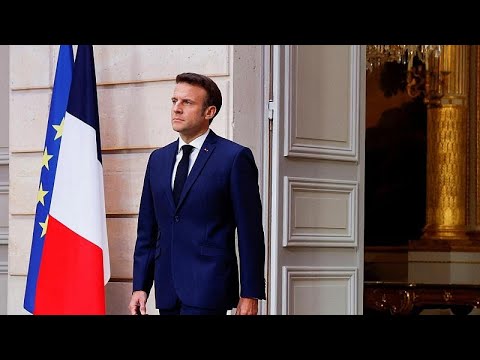
France: Emmanuel Macron (44) inaugurated as president for the second time
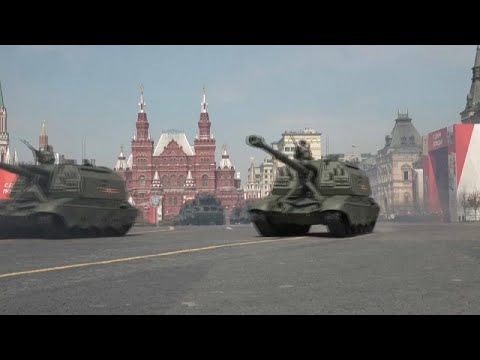
Russia and the perverted propaganda show for the "Victory Day" of Putin's Russian terror regime

'Water is light, light is art': Italian town illuminated by the inspiration of water
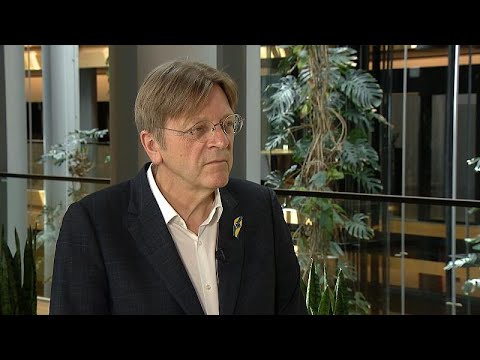
'People like Europe, they have a European dream', says MEP Guy Verhofstadt

US Supreme Court moving to overturn key abortion rights law, says leaked report
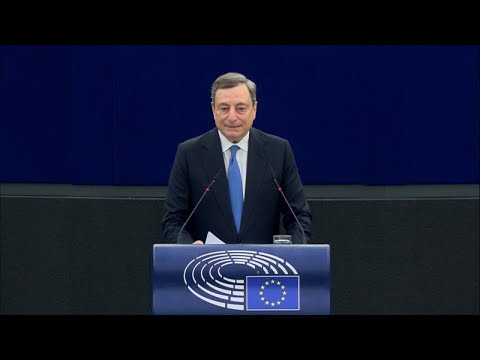
Albania and North Macedonia joining EU 'not a threat', says Italian PM