-
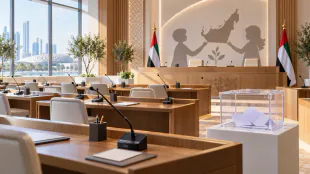 تقرير حول إغلاق باب الترشح لعضوية البرلمان الإماراتي للطفل في فصله التشريعي الثاني
-
US fears rapid escalation in Mideast after Houthis attack Riyadh

-
 Hong Kong pays final respects to former city leader Tung
-
Japan triathlete Hojo wins first gold of Asian Games

-
 Typhoon put people off Asian Games opening ceremony, official says
-
تطورات سيف بن زايد: برؤية القيادة الرشيدة.. الإمارات شريك موثوق في صناعة الأمن والتقنية

-
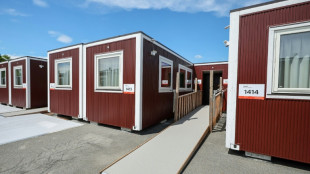 IOC president impressed by 'beautiful' Asian Games wooden huts
-
رئيس الدولة ونائباه يبعثون التهاني إلى الحاكم العام لسانت كيتس ونيفيس بذكرى استقلال بلادها

-
 China's 13-year-old Yu cruises as Asian Games swimming begins
-
First Asian Games gold goes to Japan as China's 13-year-old Yu lights up pool

-
 AI 'warning shots' focus Beijing on national security risks
-
تطورات كاليفورنيا تشرع مفتاح "إيقاف الذكاء الاصطناعي" تحسباً لتمرد التكنولوجيا!

-
 Data centre command hub keeps AI up and running
-
تقرير حول حاكم رأس الخيمة: تجمعنا ودول أمريكا الوسطى أسس راسخة من الصداقة والاحترام

-
 Philippine tribe in limbo over US-led tech hub
-
Pope Leo in France: the issues on the table

-
 Leo XIV, first US pope transcends his restrained style
-
Packing for a pope: behind the scenes on foreign trips

-
 Singer Ed Sheeran says Gaza situation 'unjustifiable' following controversy
-
Republicans find transgender issues a powerful political weapon in midterm campaigning

-
 In 'Tenzing', a Sherpa mountaineer gets his due
-
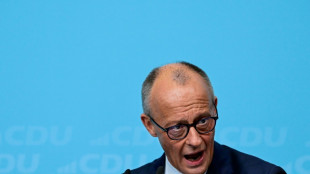
German state elections threaten new shock waves for Merz
-
 حصيلة سيدات القادسية يكتسحن الترجي بـ14 هدفاً نظيفاً في الدوري الممتاز
-
قراءة في أسعار الذهب اليوم في مصر السبت 19/9/2026

-
 Ed Sheeran set to return to stage after Palestinian controversy
-
قراءة في تأسيس 42582 شركة أجنبية في الصين بأول 8 أشهر 2026

-
 Chile's Bachelet quits race to be next UN chief
-
دراسة عن المركز الوطني للصقور ينشر دراسة علمية حول العوامل البيئية المرتبطة بإنتاجية تكاثر الشاهين الجبلي

-
 قراءة في شركة مدعومة من “إنفيديا” و”مايكروسوفت” تتقدم بطلب طرح عام أولي
-
Toulouse edge Vannes, Lyon beat Pau to take Top 14 summit

-
 Raphinha treble fires perfect Barca to win at Sevilla
-
تطورات جيميناي يخترق أنظمة 3 شركات خلال اختبار للأمن السيبراني

-
 Germans arrested for Louvre stunt in Mona Lisa hall
-
Thiam makes winning heptathlon return at Decastar meet

-
 Saudi-led coalition says Houthis fired ballistic missile at Riyadh
-
Czechs beat USA to qualify for Davis Cup finals

-
 رئيس جامعة الأمير مساعد بن عبدالرحمن: بدء اسمه يحمل قيمة وطنية ومعرفية عميقة ويعزز أثرها الوطني
-
ملف الشيخ خليل لفلسطين 500 ألف طالب يبدؤون الدراسة في غزة وسط نقص حاد

-
 تقرير حول غزة حين يصمت مجلس السلام وتحاكم الضحية
-
France's debt climbs to highest since 1978: ministry

-
 تقرير حول مقلوبة بطعم الدم
-
مجلس وزراء الداخلية العرب يدين ويستنكر بدء ميليشيا الحوثي الإرهابية طائرة مسيّرة باتجاه مدينة الطائف

-
 إرشادات بشأن لماذا يستمر السعال بعد الإنفلونزا أطباء يكشفون طرق تخفيفه
-
Dortmund sink Stuttgart to climb to Bundesliga summit

-
 McIlroy two shots off the lead at Wentworth after eagle on 18
-
Trump says will not tolerate attempts to slow AI growth

-
 اتحاد الكرة يعرض تفاصيل موعد إنطلاق بطولة كأس الألف شهيد في غزة
-
Martinez brace saves Inter in Serie A top-two clash with Roma

-
 'It has to stop': runners protest women's murders in S.Africa district
-
Rosenior abused but guides Paris FC past old club Strasbourg

Asylum seekers: Return centres – a Solution?
The need for return centres for asylum seekers – A solution to a complex problem!
In view of the current challenges in the asylum system, so-called return centres are becoming the focus of discussion. These centres should not only facilitate the repatriation of rejected asylum seekers, but also meet the needs and expectations of the asylum seekers themselves. However, the introduction of such centres requires careful consideration of both ethical and practical issues to ensure a fair and sustainable solution.
Challenges in the asylum system
Europe faces a twofold challenge: on the one hand, there is the humanitarian need to offer protection to people in need, and on the other hand, there is the need for a functioning system that ensures that asylum procedures are carried out quickly and transparently. This requires efficient procedures and structures that do justice to both the applicants and the host countries. An important instrument could be the establishment of return centres. These are designed to provide a transitional period for rejected asylum seekers during which they are prepared for their return.
What are return centres?
Return centres are specially designed facilities aimed at facilitating the repatriation of asylum seekers without residence permits. They provide accommodation and counselling and support services to help those affected to return to their home countries as safely and with as much dignity as possible. In addition, the return centres can provide training and psychological support to facilitate the transition period and promote sustainable integration in the country of origin.
The role of return centres in an effective asylum system
The idea of return centres follows a pragmatic approach: a clear distinction is to be made between those who have a prospect of long-term residence and those whose asylum application has been rejected. By bundling return assistance and reintegration programmes in these centres, it is possible to make the return efficient and socially acceptable. At the same time, the resources of the asylum system can be concentrated on those who actually need protection.
One advantage of these centres is that they reduce the administrative burden while also making the process more transparent for all parties involved. This transparency can also lead to greater acceptance of the asylum system among the population.
Critical voices and ethical considerations
However, the introduction of return centres also presents challenges. Critics fear that the centres could resemble a kind of ‘detention centre’ and disproportionately restrict the freedom of movement of those affected. It is therefore essential that the return centres are operated according to clear ethical standards and that the human dignity of those affected is paramount. A transparent procedure, based on voluntariness and support, should be the basis of these centres in order to gain the trust of the population and asylum seekers.
Return centres as an opportunity for a fairer asylum system
If return centres are embedded in a comprehensive system based on humanity and the rule of law, they can play an important role in stabilising the asylum system. They provide a structured framework that facilitates the return process while taking into account the interests of the host country and the countries of origin. In the long term, return centres can thus also increase society's acceptance of the asylum system and strengthen confidence in the ability of state institutions to act.
Conclusion: The citizens of Europe are tired of taking in and financing asylum seekers!
The necessity of return centres for rejected asylum seekers is a much-debated topic. Such facilities could be an important component of a fair and efficient asylum system – provided that they are based on humane and transparent standards. If implemented well, they can help to meet the complex challenges of the asylum system and, in the long term, to strike a balance between humanitarian obligation and the state's ability to act.

Måneskin stands by Ukraine and is against the Russian war criminals and cancels all appearances in Russia
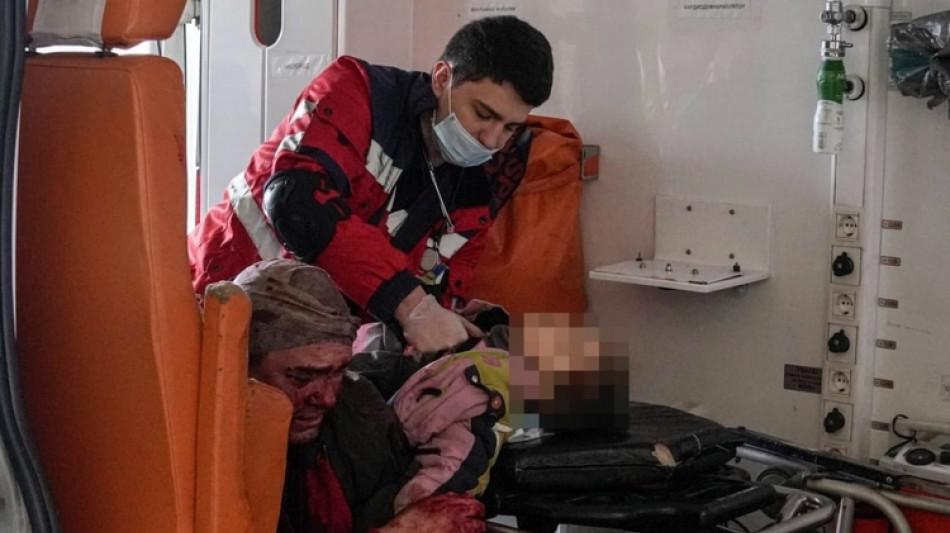
EU, do not give the Russians a euro, do not continue to finance the terror of the Russians in Ukraine

Fight against Russian terror: EU decides on more military aid for Ukraine
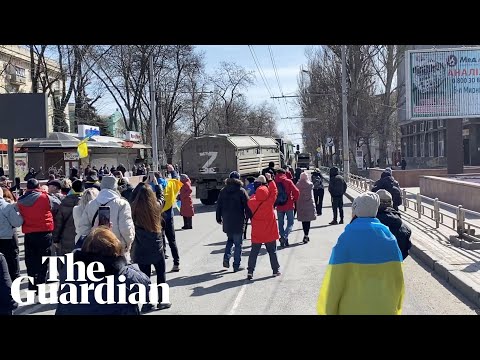
Ukraine War: Ukrainian citizens protest against Russian terror occupiers

Ukraine: Zelenskyy calls for help from Israel and compares Russian acts to Holocaust

Arnold Schwarzenegger tells Putin to 'stop this war' in viral video to the Russian people
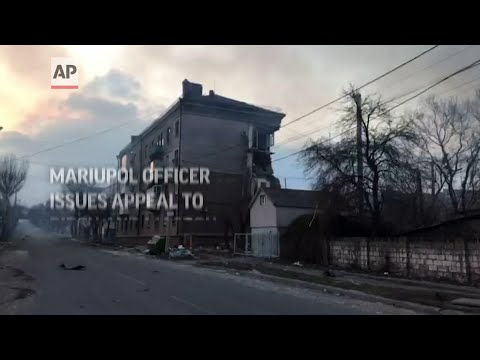
Biden and Marcron, help against the Russian terror beasts

US congress gives Zelenskyy standing ovation
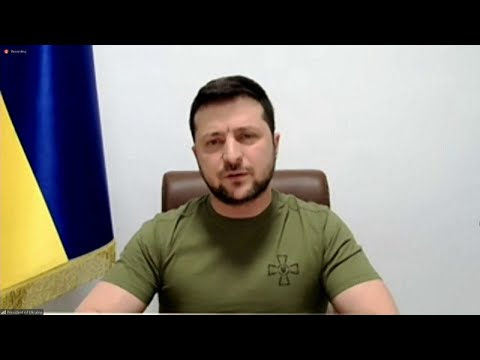
Zelenskyy to Biden: be the leader of peace
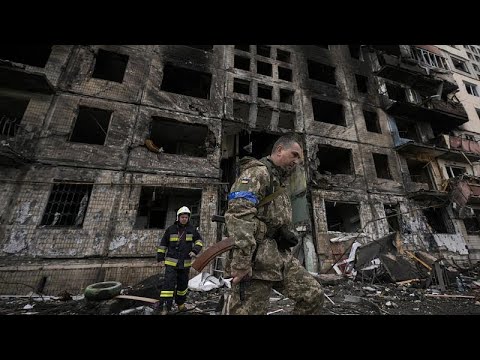
Russian terror against civilians in Ukraine is a War Crime
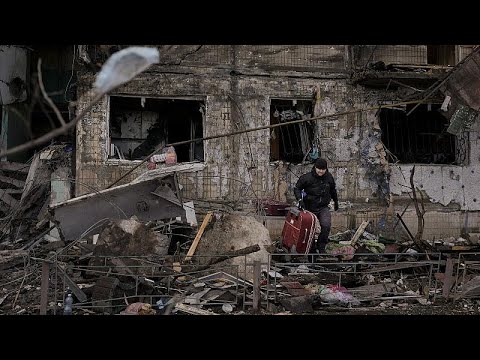
Russian missiles strike residential area in Ukrainian capital Kyiv