-
 حصيلة سيدات القادسية يكتسحن الترجي بـ14 هدفاً نظيفاً في الدوري الممتاز
-
قراءة في أسعار الذهب اليوم في مصر السبت 19/9/2026

-
 Ed Sheeran set to return to stage after Palestinian controversy
-
قراءة في تأسيس 42582 شركة أجنبية في الصين بأول 8 أشهر 2026

-
 Chile's Bachelet quits race to be next UN chief
-
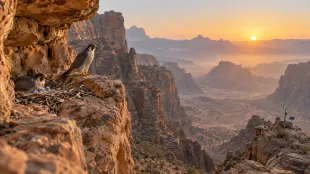
دراسة عن المركز الوطني للصقور ينشر دراسة علمية حول العوامل البيئية المرتبطة بإنتاجية تكاثر الشاهين الجبلي
-
 قراءة في شركة مدعومة من “إنفيديا” و”مايكروسوفت” تتقدم بطلب طرح عام أولي
-
Toulouse edge Vannes, Lyon beat Pau to take Top 14 summit

-
 Raphinha treble fires perfect Barca to win at Sevilla
-
تطورات جيميناي يخترق أنظمة 3 شركات خلال اختبار للأمن السيبراني

-
 Germans arrested for Louvre stunt in Mona Lisa hall
-
Thiam makes winning heptathlon return at Decastar meet

-
 Saudi-led coalition says Houthis fired ballistic missile at Riyadh
-
Czechs beat USA to qualify for Davis Cup finals

-
 رئيس جامعة الأمير مساعد بن عبدالرحمن: بدء اسمه يحمل قيمة وطنية ومعرفية عميقة ويعزز أثرها الوطني
-
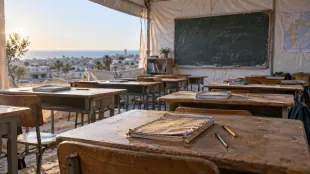
ملف الشيخ خليل لفلسطين 500 ألف طالب يبدؤون الدراسة في غزة وسط نقص حاد
-
 تقرير حول غزة حين يصمت مجلس السلام وتحاكم الضحية
-
France's debt climbs to highest since 1978: ministry

-
 تقرير حول مقلوبة بطعم الدم
-
مجلس وزراء الداخلية العرب يدين ويستنكر بدء ميليشيا الحوثي الإرهابية طائرة مسيّرة باتجاه مدينة الطائف

-
 إرشادات بشأن لماذا يستمر السعال بعد الإنفلونزا أطباء يكشفون طرق تخفيفه
-
Dortmund sink Stuttgart to climb to Bundesliga summit

-
 McIlroy two shots off the lead at Wentworth after eagle on 18
-
Trump says will not tolerate attempts to slow AI growth

-
 اتحاد الكرة يعرض تفاصيل موعد إنطلاق بطولة كأس الألف شهيد في غزة
-
Martinez brace saves Inter in Serie A top-two clash with Roma

-
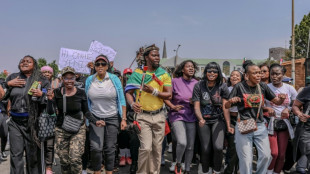 'It has to stop': runners protest women's murders in S.Africa district
-
Rosenior abused but guides Paris FC past old club Strasbourg

-
 تقرير حول مكتب الإعلام الدولي في دولة قطر يرد على الادعاءات الكاذبة والتقارير الملفقة في وسائل الإعلام الإسرائيلية
-
تقرير حول موهبة مانشستر يونايتد في برشلونة للتفاوض

-
 Fire erupts near Riyadh airport as Houthis claim strikes
-
Seven-try Lyon beat Pau, climb to Top 14 summit

-
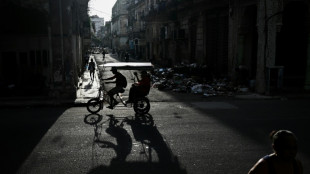 Cuba works to restore power after another blackout
-
تقرير حول ليسلم نفسه للاحتلال معتقل منذ 2007 في سجون السلطة

-
 Brighton defeat a 'big lesson' against complacency for Arsenal, says Arteta
-
سيول تجدد تأكيد لواشنطن عزمها المساهمة في استعادة حرية الملاحة بمضيق هرمز

-
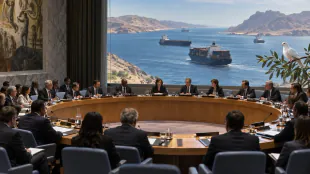 تقرير حول مجلس الأمن يدين «بأشد العبارات» هجمات الحوثيين المستمرة على المملكة ويؤكد حقها الأصيل في الدفاع عن النفس
-
England thrash Sri Lanka again to return to top of T20 rankings

-
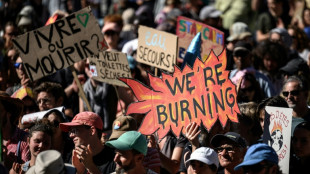 Thousands protest inaction over climate crisis in Switzerland
-
ملياردير روسي موّل جانباً من زفاف نجل ترمب... والرئيس الأميركي يجدد تأكيد سداد الأموال

-
 Arsenal thrashed by Brighton, sorry Spurs lose again
-
تقرير حول سوريا: توقيف ضباط سابقين يُشتبه بمسؤوليتهم عن غارات جوية خلال عهد الأسد

-
 Carapaz out of cycling world championships
-
ملف خادم الحرمين يوجه بناءً على ما رفعه ولي العهد بإطلاق اسم الأمير مساعد بن عبدالرحمن على الجامعة السعودية الإلكترونية

-
 تقرير حول سيول: تصريح الرئيس حول عدم التدخل في الحرب ليس رفضاً لطلب ترمب بشأن هرمز
-
South Korea, Austria qualify for Davis Cup finals

-
 مشهد سمير سرياني لـ«الشرق الأوسط»: أحضّر لفيلم لبناني اجتماعي يتناول همومنا بقالب كوميدي
-
'Fragile' Tottenham beaten by Aston Villa despite late rally

-
 Seare shocks Ingebrigtsen to win world 5km gold
-
Mourinho hails Real Madrid grit before Atletico derby clash

Climate change: A farm in Rotterdam
An overview of the issue of climate change and its effects on agriculture?
Climate change is no longer just a future threat, but a present reality that is already having a significant impact on agriculture worldwide. Rising temperatures, changing precipitation patterns and an increase in extreme weather events pose immense challenges for farmers and threaten
The global average temperature has increased by about 1.1 degrees Celsius since pre-industrial times. This warming is leading to changes in the growing conditions for many crops. Some plant species are sensitive to higher temperatures, which can lead to reduced yields and quality losses. For example, grain filling can be affected in
Changing precipitation patterns and water scarcity
Climate change also affects precipitation patterns, leading to droughts in some regions and flooding in others. Water scarcity is becoming an increasingly pressing problem, especially in areas of intensive agricultural use. Without sufficient irrigation, plants suffer from drought stress, which inhibits growth and reduces yields. On the other hand, heavy rainfall and flooding
Increase in extreme weather events
More frequent and intense extreme weather events such as heat waves, storms and frost periods are having a significant impact on agricultural production. Such events can destroy entire harvests, damage infrastructure and have long-term effects on soil fertility. Farmers have to adapt to unpredictable weather conditions, which makes
Spread of pests and diseases
With rising temperatures and changing climate conditions, pests and plant diseases are also spreading into new areas. Insects, fungi and viruses that were previously limited by climatic conditions can now infest larger areas. This increases the demand for pesticides and poses additional challenges for organic farming.
Impacts on animal husbandry
Livestock farming is also affected by climate change. Heat stresses farm animals and can lead to reduced growth, lower milk production and increased mortality rates. In addition, climate change affects the availability of forage crops and water, which makes animal husbandry even more difficult.
Adapting cultivation practices: Crop rotation, conservation tillage and the use of cover crops can maintain soil fertility and increase resilience to extreme weather.
Breeding climate-resistant varieties: Developing plants that can better cope with heat, drought or flooding is crucial for future food security.
Efficient irrigation systems: Technologies such as drip irrigation reduce water consumption and help to use water more efficiently.
Early warning systems: Weather forecasts and warning systems can help farmers to be better prepared for extreme weather events.
Diversification: Diversifying crops and income sources helps farmers to better cushion risks.
Policy support and global cooperation
Tackling the effects of climate change on agriculture requires policy support and international cooperation. Investments in research and development, education, and infrastructure are necessary to support farmers in their adaptation efforts. Furthermore, it is important to reduce global emissions to mitigate further climate change.
Conclusion
Climate change poses a serious threat to agriculture and global food security. However, the effects can be mitigated through proactive adaptation measures, innovation and political support. It is crucial to act now to safeguard agriculture for future generations and ensure the sustainable nutrition of the world's population.

India-Pakistan War Fears Grow

Leo XIV and Trump: Allies?

Euro Challenges Dollar's Reign

US tariff dispute: No winner

Zelensky's trap for Putin

Jewish Success: Myths & Facts

Houthis and al-Qaeda
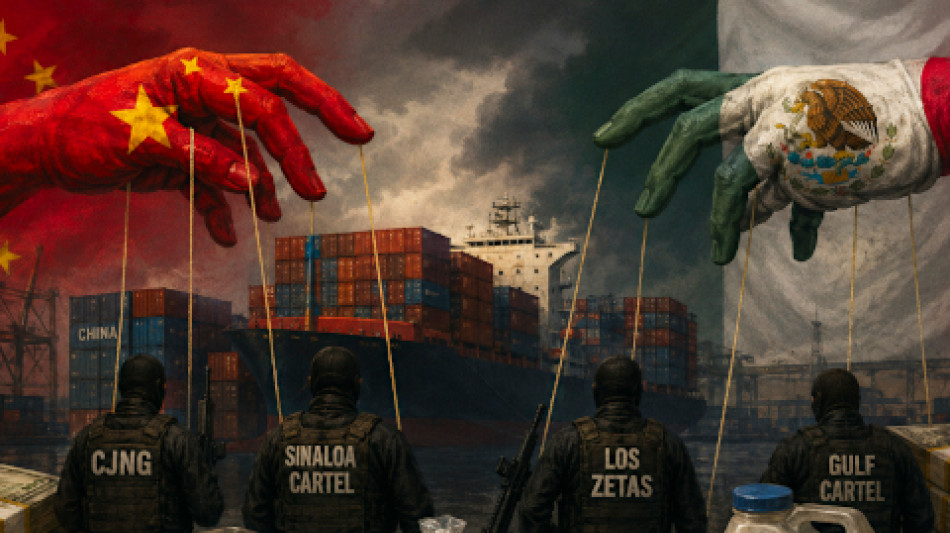
China’s cartel lifeline

China's silicon reckoning

India's island choke point

Japan’s right‑turn triumph