
-
 Toulouse edge Vannes, Lyon beat Pau to take Top 14 summit
-
Raphinha treble fires perfect Barca to win at Sevilla

-
 تطورات جيميناي يخترق أنظمة 3 شركات خلال اختبار للأمن السيبراني
-
Germans arrested for Louvre stunt in Mona Lisa hall

-
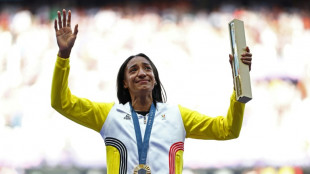 Thiam makes winning heptathlon return at Decastar meet
-
Saudi-led coalition says Houthis fired ballistic missile at Riyadh

-
 Czechs beat USA to qualify for Davis Cup finals
-
رئيس جامعة الأمير مساعد بن عبدالرحمن: بدء اسمه يحمل قيمة وطنية ومعرفية عميقة ويعزز أثرها الوطني

-
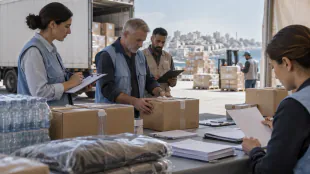
 ملف الشيخ خليل لفلسطين 500 ألف طالب يبدؤون الدراسة في غزة وسط نقص حاد
-
تقرير حول غزة حين يصمت مجلس السلام وتحاكم الضحية

-
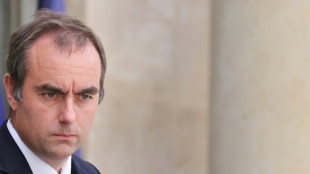 France's debt climbs to highest since 1978: ministry
-
تقرير حول مقلوبة بطعم الدم

-
 مجلس وزراء الداخلية العرب يدين ويستنكر بدء ميليشيا الحوثي الإرهابية طائرة مسيّرة باتجاه مدينة الطائف
-
إرشادات بشأن لماذا يستمر السعال بعد الإنفلونزا أطباء يكشفون طرق تخفيفه

-
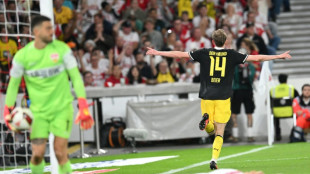 Dortmund sink Stuttgart to climb to Bundesliga summit
-
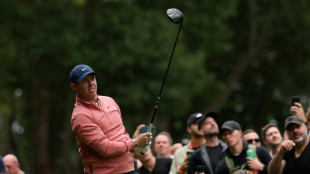
McIlroy two shots off the lead at Wentworth after eagle on 18
-
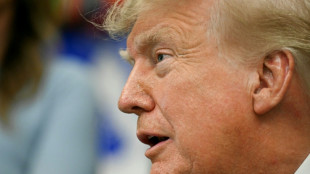 Trump says will not tolerate attempts to slow AI growth
-
اتحاد الكرة يعرض تفاصيل موعد إنطلاق بطولة كأس الألف شهيد في غزة

-
 Martinez brace saves Inter in Serie A top-two clash with Roma
-
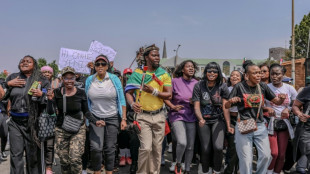
'It has to stop': runners protest women's murders in S.Africa district
-
 Rosenior abused but guides Paris FC past old club Strasbourg
-
تقرير حول مكتب الإعلام الدولي في دولة قطر يرد على الادعاءات الكاذبة والتقارير الملفقة في وسائل الإعلام الإسرائيلية
-
 تقرير حول موهبة مانشستر يونايتد في برشلونة للتفاوض
-
Fire erupts near Riyadh airport as Houthis claim strikes

-
 Seven-try Lyon beat Pau, climb to Top 14 summit
-
Cuba works to restore power after another blackout

-
 تقرير حول ليسلم نفسه للاحتلال معتقل منذ 2007 في سجون السلطة
-
Brighton defeat a 'big lesson' against complacency for Arsenal, says Arteta

-
 سيول تجدد تأكيد لواشنطن عزمها المساهمة في استعادة حرية الملاحة بمضيق هرمز
-
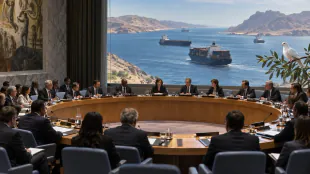
تقرير حول مجلس الأمن يدين «بأشد العبارات» هجمات الحوثيين المستمرة على المملكة ويؤكد حقها الأصيل في الدفاع عن النفس
-
 England thrash Sri Lanka again to return to top of T20 rankings
-
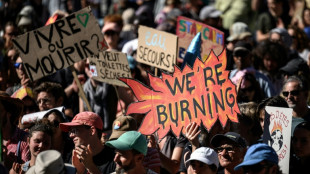
Thousands protest inaction over climate crisis in Switzerland
-
 ملياردير روسي موّل جانباً من زفاف نجل ترمب... والرئيس الأميركي يجدد تأكيد سداد الأموال
-
Arsenal thrashed by Brighton, sorry Spurs lose again

-
 تقرير حول سوريا: توقيف ضباط سابقين يُشتبه بمسؤوليتهم عن غارات جوية خلال عهد الأسد
-
Carapaz out of cycling world championships

-
 ملف خادم الحرمين يوجه بناءً على ما رفعه ولي العهد بإطلاق اسم الأمير مساعد بن عبدالرحمن على الجامعة السعودية الإلكترونية
-
تقرير حول سيول: تصريح الرئيس حول عدم التدخل في الحرب ليس رفضاً لطلب ترمب بشأن هرمز

-
 South Korea, Austria qualify for Davis Cup finals
-
مشهد سمير سرياني لـ«الشرق الأوسط»: أحضّر لفيلم لبناني اجتماعي يتناول همومنا بقالب كوميدي

-
 'Fragile' Tottenham beaten by Aston Villa despite late rally
-
Seare shocks Ingebrigtsen to win world 5km gold

-
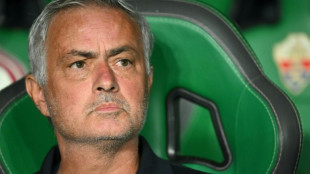 Mourinho hails Real Madrid grit before Atletico derby clash
-
ملف البنيان: تسمية الجامعة السعودية الإلكترونية باسم «الأمير مساعد بن عبدالرحمن» تُجسّد عناية القيادة بالتعليم وتكريم رجالات الدولة

-
 Brigitte Bardot widower slams sale of star's belongings
-
Martin wins Austrian MotoGP sprint after Acosta crash

-
 Aston Villa compound Tottenham's misery despite late rally
-
Japan edge Fiji to win Pacific Nations Cup

-
 حصيلة من يملك جسد اللاعب ورسائله؟ قميص سبتة يتحول إلى نقاش أكبر من السياسة
-
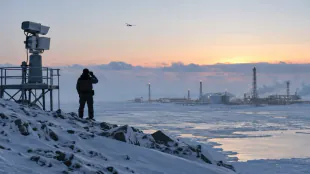
تقرير حول وصول حرب أوكرانيا إلى القطب الشمالي ينذر بتصاعد التوتر بين القوى النووية
EU: Overcoming barriers to equality
The need to overcome barriers to equality in the EU and worldwide!
In a globalised world characterised by progress and innovation, equality remains one of the greatest challenges of our time. Despite numerous efforts, significant barriers that disadvantage people based on their gender, origin, religion, sexual orientation or other characteristics remain. It is essential for society in the European Union and worldwide to overcome these barriers to ensure a fairer and more prosperous future.
Equality as a cornerstone of democracy
Equality for all is a fundamental principle of democratic societies. It forms the basis for social justice and respect for human rights. In the European Union, equality is not only a moral imperative, but also enshrined in law. Nevertheless, statistics show that discrimination and inequality persist. For example, women in the EU earn on average 14.1% less than men, and minorities often face prejudice and disadvantage.
The economic benefits of equality
Overcoming barriers to equality is not only an ethical obligation, but also brings significant economic benefits. Studies have shown that countries with higher equality tend to have stronger economic growth. An inclusive labour market, where all talents are used regardless of gender or origin, leads to more innovation and productivity. In addition, equality reduces the costs arising from social tensions and inequalities.
Promoting social cohesion and peace
Inequality can lead to social unrest, conflict and instability. By removing barriers to equality, social cohesion is strengthened. A society in which all members have equal rights and opportunities is more resilient to extremism and intolerance. This is particularly important in a world facing global challenges such as migration, climate change and pandemics.
Identify and remove barriers
The barriers to equality are many and often deeply rooted in cultural norms and institutional structures. They include, among other things:
- Discriminatory laws: Some countries still have laws that disadvantage certain groups.
- Prejudices and stereotypes: Social attitudes can lead to people being discriminated against because of their gender, skin colour or other characteristics.
- Access to education and resources: Unequal access to education, healthcare and financial resources widens the gap between different social groups.
- Violence and harassment: Physical and psychological violence against certain groups is a significant barrier to equality.
Measures to promote equality - Overcoming these barriers requires a coordinated effort at various levels
- Political reforms: Governments need to enact and enforce laws that prohibit discrimination and promote equality.
- Education and awareness: Educational programmes can reduce prejudice and create awareness of the importance of equality.
- Economic empowerment: Initiatives to support disadvantaged groups in accessing the labour market and financial resources are crucial.
- International cooperation: Global challenges require global solutions. The EU can take a leading role here and share best practices.
Conclusion:
Overcoming obstacles to equality is of central importance for a just, peaceful and prosperous society. It is the shared responsibility of governments, institutions, companies and each individual to actively participate in this change. Only through consistent efforts can we create a world in which all people enjoy the same opportunities and rights – for the benefit of the European Union and the entire global community.

India-Pakistan War Fears Grow

Leo XIV and Trump: Allies?

Euro Challenges Dollar's Reign
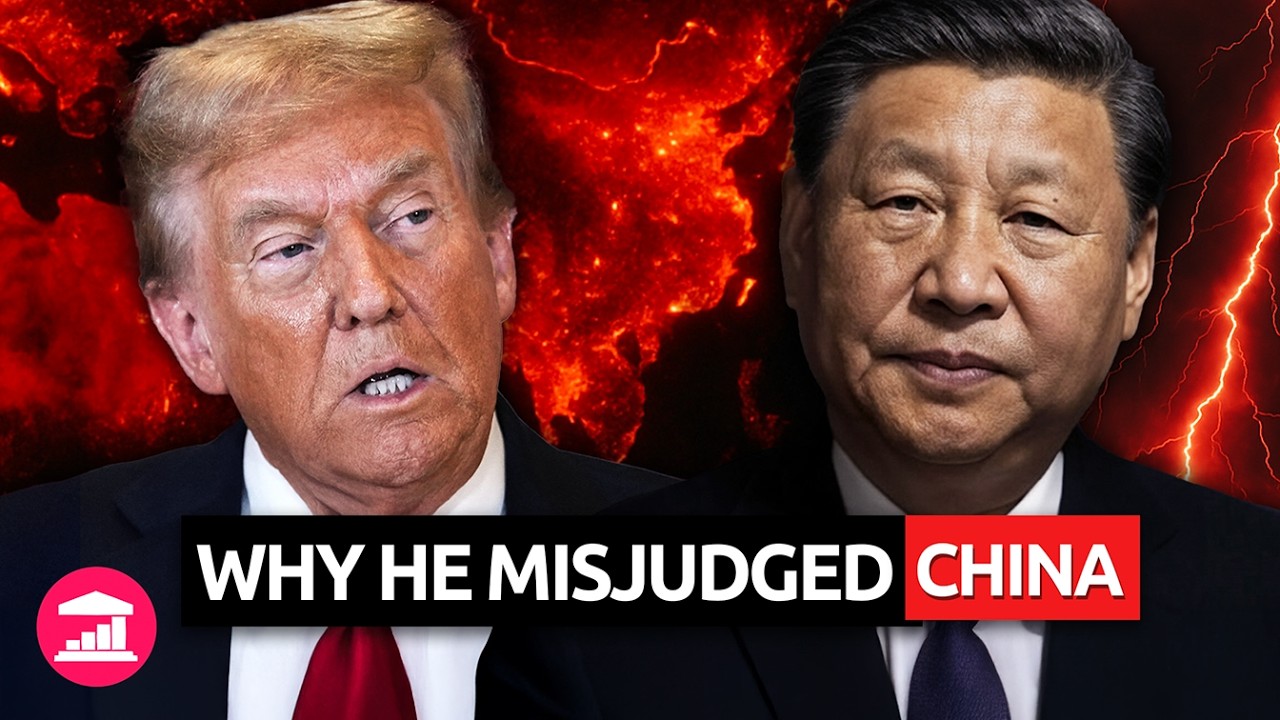
US tariff dispute: No winner
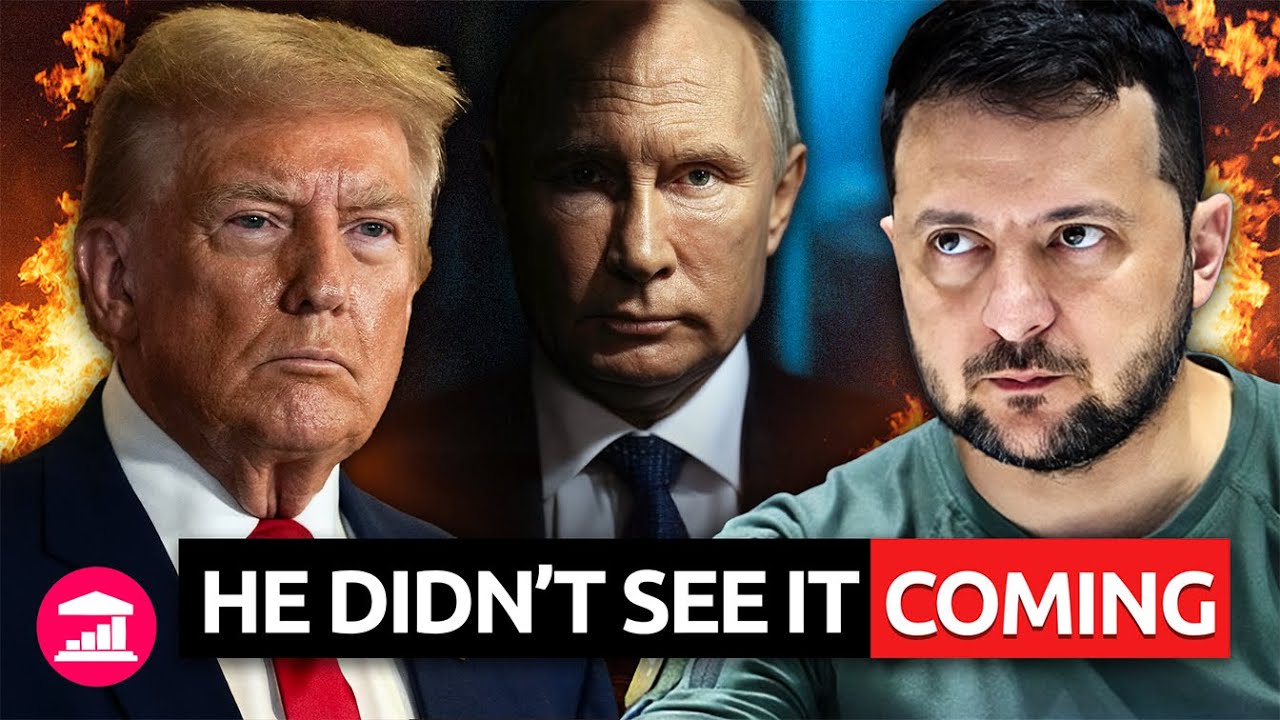
Zelensky's trap for Putin

Jewish Success: Myths & Facts

Houthis and al-Qaeda
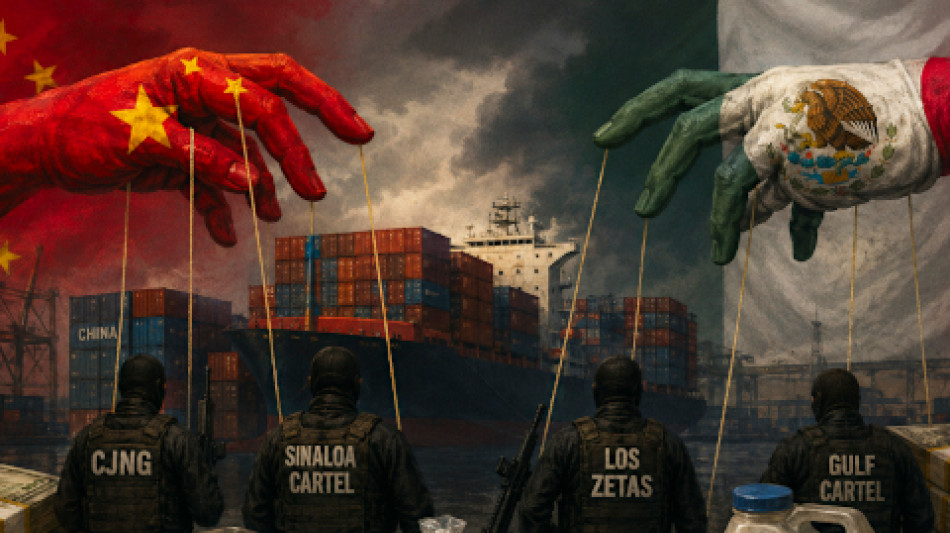
China’s cartel lifeline
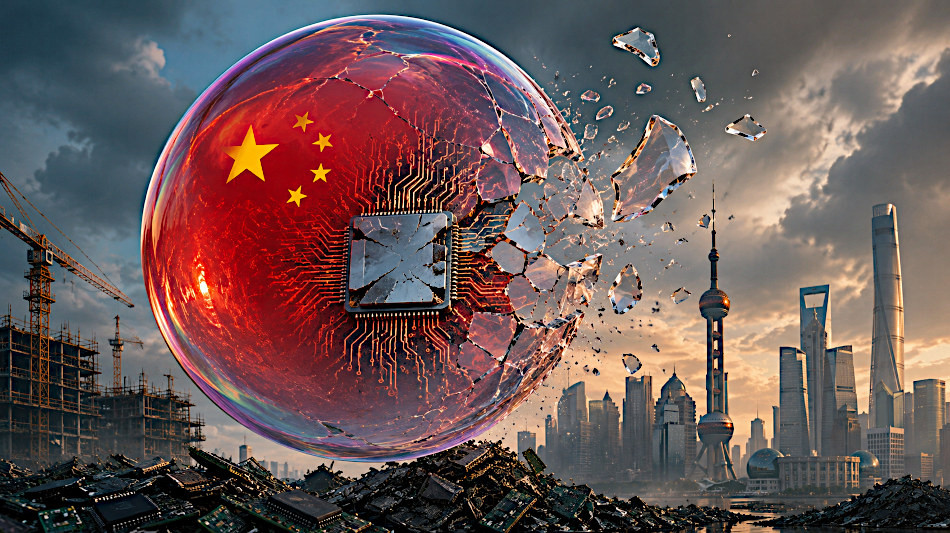
China's silicon reckoning
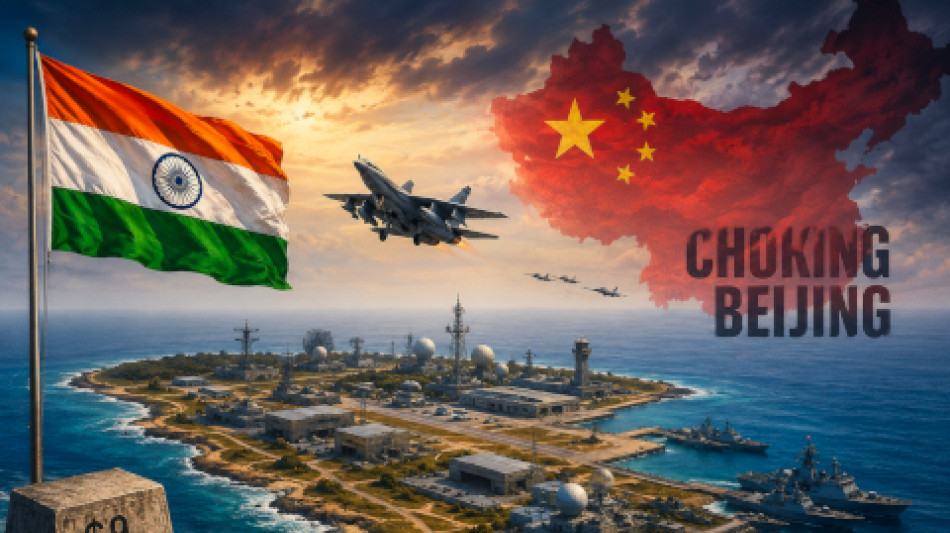
India's island choke point
Japan’s right‑turn triumph



