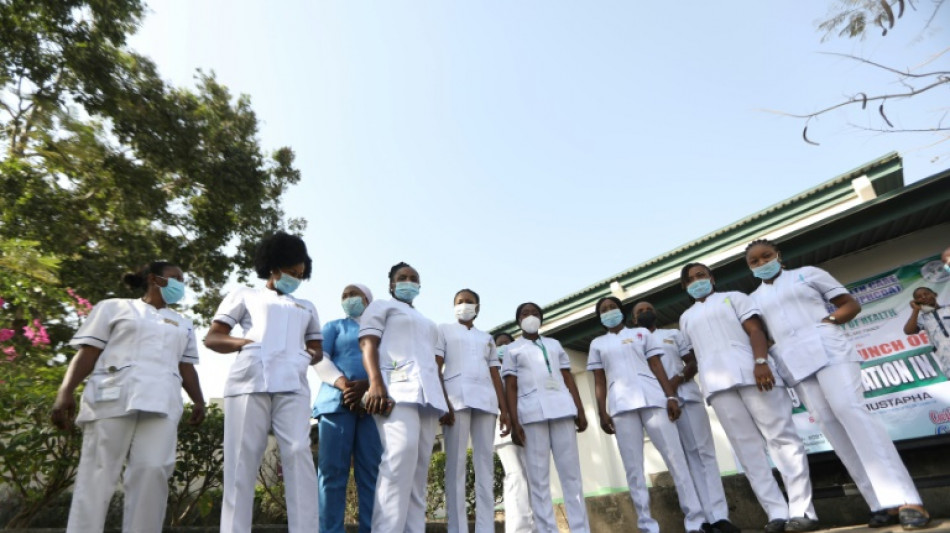
One million children lose mother to cancer a year: research / Photo: Kola Sulaimon - AFP

 Rahm reaches separation deal with LIV in bankruptcy court

 UN chief urges nations to end 'war on nature'

 Newcastle boss Jaissle says Fernandez-Pardo just needs a goal

 Infantino offers apology but 'no answers' at FIFA meeting over World Cup plan
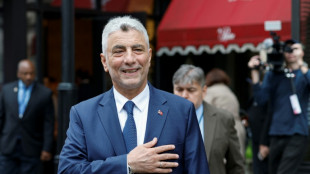 Don't exclude Turkey from 'Made in Europe' plan: minister to AFP

 French duo Justice to score 'GTA VI': game maker

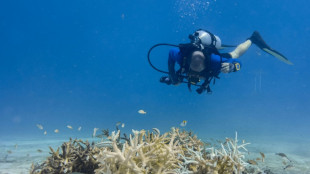 El Nino a 'terrifying' threat to coral reefs: UN biodiversity expert
 Barcola must get used to Liverpool highs and lows, says Iraola
 Versus Trade Wins Best ECN/STP Broker APAC 2026, Marking Third UF Awards Recognition

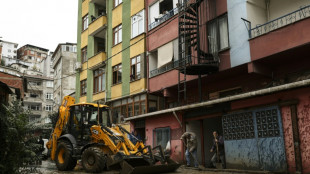 Three dead as Istanbul sees heaviest rainfall in 80 years

 US producer prices see biggest jump since 2022 in added challenge to Trump
 Swiatek avoids seed exodus to breeze into Wuhan last eight
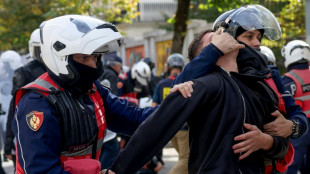
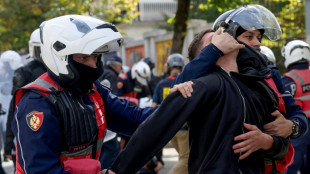 PM condemns 'chaos' as violent protests grip Albania

 'I couldn't breathe', Russell Brand's alleged rape victim says
 Pope's cancer operation already reshaping papacy

 Zverev cruises past De Minaur to reach Shanghai semi-finals

 Ukraine's Zelensky defies Trump with Russian refinery strikes

 Holders Australia edge New Zealand 24-22 to open Rugby league World Cup
 'Ocarina of Time': Nintendo gives Zelda classic a modern makeover
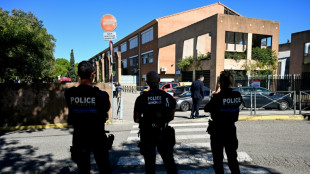 France charges teen shooter citing revenge for bullying in school

 Martinez blames 'anger' for dig at Man Utd hierarchy
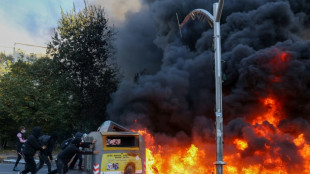 Crowds build as Albanian PM tours protest aftermath
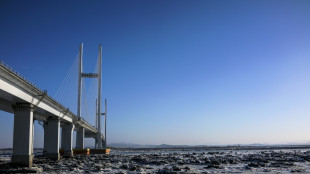 China-North Korea bridge opens, 12 years late
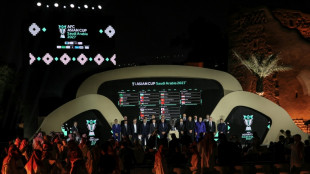 Asian Cup in Saudi Arabia could be postponed but 'no hurry' to decide: AFC
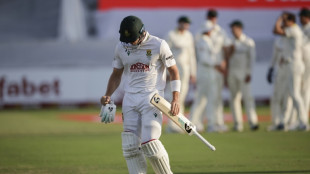 Conrad wields axe after South Africa loss to Australia
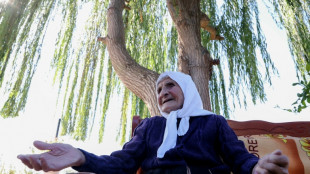
Around one million children worldwide lose their mother to cancer every year, often leaving orphans caught up in a "vicious cycle of disadvantage", researchers said Wednesday.
The first-ever estimate for the number of children left motherless from cancer was announced at the World Cancer Congress in Geneva on Wednesday.
It was prompted by a study in Africa by the World Health Organization's International Agency for Research on Cancer (IARC), which is based in Lyon, France.
That research followed more than 2,000 women with breast cancer in Namibia, Uganda, Zambia and Nigeria, over half of whom died in just five years.
The study illustrated that "the intergenerational impact of cancer deaths of mothers hasn't been documented," IARC epidemiologist Valerie McCormack told AFP.
So the IARC researchers calculated that out of the four million who died from cancer in 2020, one million children were left motherless.
Around 45 percent of the mothers died from breast and cervical cancer, which are "very preventable", McCormack said, calling for more investment to fight both diseases.
During the research in sub-Saharan Africa, McCormack said families described selling their land to pay for cancer treatment, leaving no money left for educating the children.
"It's a vicious cycle of disadvantage" for poorer families, she said.
The researchers arrived at their global estimate, which has not been peer reviewed, by combining the number of annual female cancer deaths from IARC's GLOBOCAN database with fertility data from the United Nations.
More women than men die from cancer between the ages of 35 and 50 worldwide, largely due to cancer in female reproductive organs.
As time goes on, the situation reverses as men increasingly get prostate and lifestyle-related types of cancer.
And people in high-income countries are more likely to die from cancer later in life, when their children are grown.
McCormack said the IARC was working on finding a similar global figure for children left fatherless by cancer, but it was a trickier equation without the fertility data.
T.Khatib--SF-PST