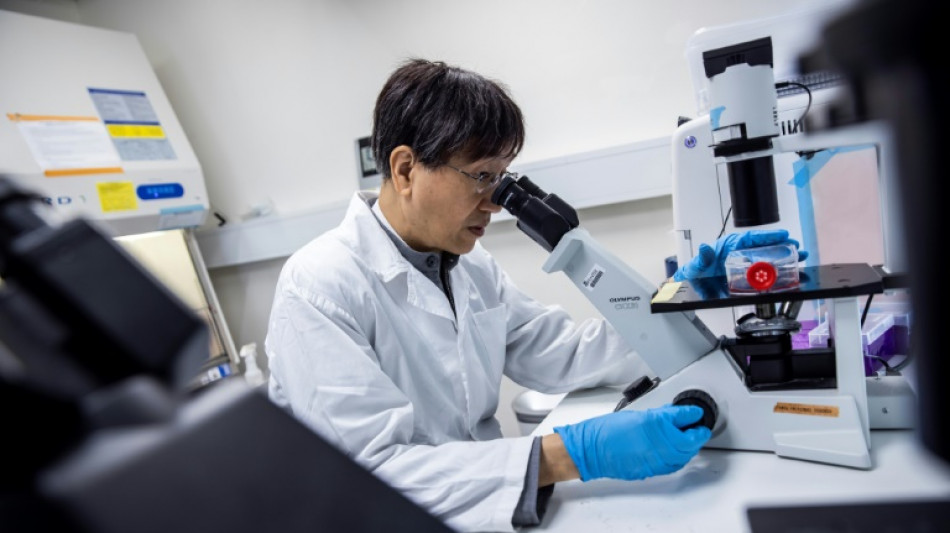
'Hong Kong's Dr Fauci' sounds alarm on next pandemic / Photo: ISAAC LAWRENCE - AFP

 Deforestation in Brazil Amazon hits nearly four-decade low
 US budget deficit grows to nearly $2 trillion, highest since 2021

 Bend grieves after mass shooting: 'Who would do this to little kids?'

 'Great hero' praised for saving lives in Oregon school shooting

 Trump's new press secretary looks close to exit after just one week

 Trump says armed bystander who killed US school shooter a 'great hero'

 Real Madrid say Tebas must resign over Goebbels comparison

 Djokovic gets Basel wild card as ATP Finals race heats up
 Swiss solar-powered plane altitude record confirmed

 Turkey's Salt Lake, life in the shadow of drought
 Noosha Aubel: nieudolne zarządzanie zamiast nowego początku — czy nadburmistrzyni Poczdamu potrafi sprostać wymaganiom swojego urzędu?

 Mexican killers of Australian, US surfers await sentencing
 Trump's new press secretary faces intensified scrutiny over claims to be a lawyer

 شيفرون تحذر من تراجع مخزونات النفط وهشاشة أسواق الطاقة

 قيادة إماراتية جديدة في صندوق النقد تعكس حضور الكفاءات الوطنية

 بلدية دبي وإعمار تتعاونان لتوسيع العروض التجارية وفرص الاستثمار

 جهات دولية تشيد بمرونة الأنظمة المالية في الإمارات

 الإمارات تعرض جهودها لتعزيز الأمن الصحي واستئصال شلل الأطفال

 غرفة تشجيانغ ترى دبي بوابة للشركات الصينية نحو الأسواق العالمية

 شرطة دبي تضبط عصابة من ثمانية أشخاص بتهمة تزوير رخص القيادة

 مقتل أربعة أشخاص ومهاجم في إطلاق نار بمدرسة في أوريجون

 موعد مواجهة بيراميدز والمريخ في دوري أبطال إفريقيا وطرق المشاهدة

 تسلا تكشف تفاصيل جديدة عن رودستر وسط حديث عن قدرات طيران قصيرة

 مجلس الشعب السوري يستعد للانتقال من التنظيم الداخلي إلى التشريع
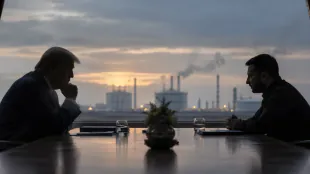 ضربات المصافي تعكس تباين أولويات ترمب وزيلينسكي بشأن حرب أوكرانيا

Hong Kong microbiologist Yuen Kwok-yung has done battle with some of the world's worst threats, including the SARS virus he helped isolate and identify. And he has a warning.
Another pandemic is inevitable and could exact damage far worse than Covid-19, according to the soft-spoken scientist sometimes thought of as Hong Kong's answer to top US health expert Anthony Fauci.
"Both the public and (world) leaders must admit that another pandemic will come, and probably sooner than you anticipate," he told AFP at the city's Queen Mary Hospital, where he works and teaches.
"Why I make such a horrifying prediction is because you can see clearly that the geopolitical, economic, and climatic changes are changing so rapidly," he told AFP.
Politicians must "come to their senses" and solve "global existential threats," he warns in his new autobiography "My Life in Medicine: A Hong Kong Journey".
While world leaders are more focused on "national or regional interests", Yuen said a rapidly changing climate coupled with emerging infectious diseases should be a top priority.
"This is something so important that we should not ignore."
- Humble background -
Yuen is a globally recognised authority on coronaviruses and infectious diseases, but he came from humble beginnings.
Born in Hong Kong in the late 1950s, he grew up in a 60-square-foot subdivided flat with his parents and three brothers.
Since graduating from medical school in 1981, he has worked in the city's public hospitals, where doctors are paid far less than in the private sector.
It was in 2003 when he leapt into the public consciousness, after he and his team successfully isolated and identified severe acute respiratory syndrome, better known as SARS.
It was a vital step towards testing, diagnosing and treating the disease, which emerged in southern China and Hong Kong before spreading globally.
The virus killed nearly 300 people in the city in just two months, a toll second only to mainland China.
That experience informed Yuen's approach to the Covid-19 pandemic, which ripped through Hong Kong due to lax vaccination, particularly among the elderly.
"We benefited from the 20 years of study that followed the SARS outbreak," he wrote in his book.
"Until factors beyond our ability to stop or overcome -- fear, ignorance, poor messaging, and deliberate misinformation -- the measures were effective" in buying Hong Kong time until the vaccines were developed.
In the end, despite tough lockdown measures and lengthy quarantines, Hong Kong recorded some three million infections -- about half its population -- and more than 13,800 deaths from Covid-19.
It was a frenetic time for Yuen, who became a familiar face as the government's go-to expert and penned more than 100 peer-reviewed studies on the virus.
It also put him in a delicate position on several occasions, including when his call to lift restrictions in 2022 was rejected when the city stayed aligned with China's zero-Covid doctrine of closed borders and quarantines.
The self-described medical "detective" also faced complaints that put his license at risk after he described the seafood market in China's Wuhan -- where the first cluster of coronavirus cases was detected -- as a "crime scene".
- 'Transparent investigation' -
Today, Yuen chooses his words carefully and avoids political subjects, but he maintains that understanding the origins of Covid-19 is key.
It is "important to properly do an investigation in a very open, transparent manner" so lessons can be learned for future pandemic prevention, he said.
The World Health Organization has called on China to be more transparent about the pandemic's origins, without making any firm conclusions on the source.
Last year, Yuen set up the Pandemic Research Alliance with peers in mainland China and the United States to share information and research on future threats.
"It is a bad idea to stop or inhibit these exchanges because it protects everyone," he said.
"If we do not talk about it... then another pandemic comes, we have to pay a huge price again."
G.AbuHamad--SF-PST