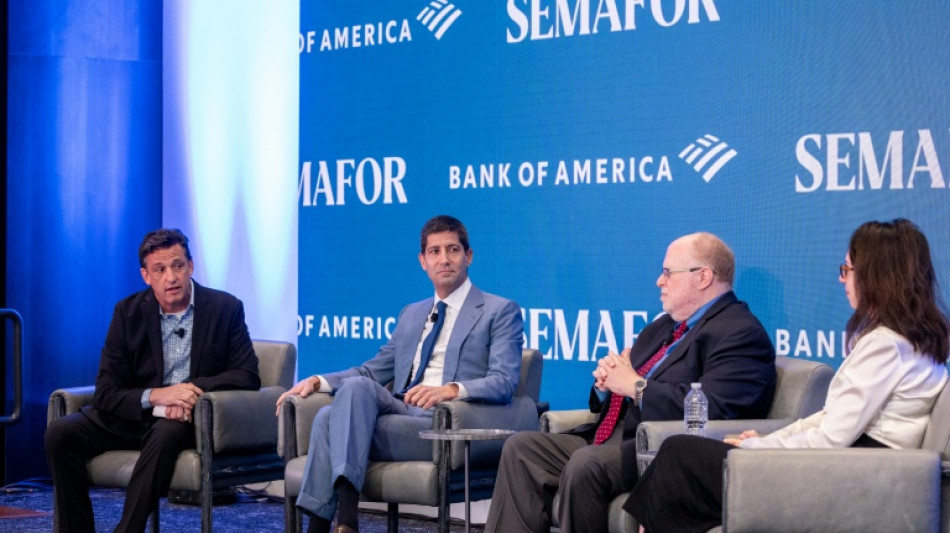
Trump's Fed chair pick to face lawmakers at key confirmation hearing / Photo: TASOS KATOPODIS - GETTY IMAGES NORTH AMERICA/AFP

 El Salvador's Bukele puts conditions on early release of gang prisoners
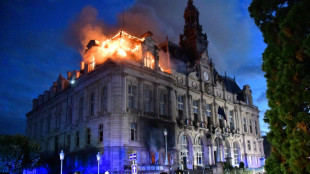 Fire rages at town hall in France's Limoges after protests: authorities
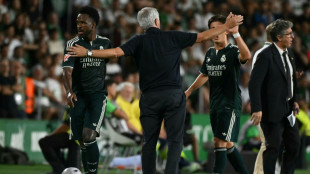
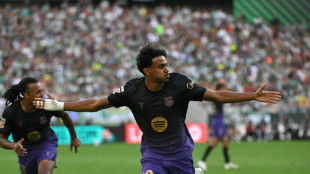 Unstoppable Barca thrash Betis to extend perfect start
 Maresca faces anxious wait over Haaland injury scare
 PSG fight back to beat Strasbourg after Dembele penalty miss
 Looting, blazes and clashes in France amid nationwide protests
 Walsh breaks her own 50 free world short course record
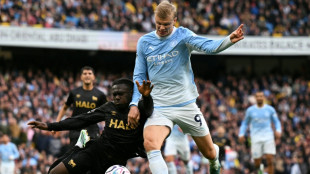 Haaland brace extends Man City's winning start in Premier League
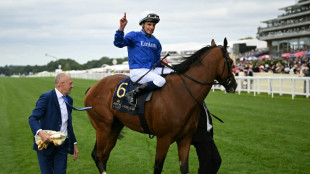 'Special' Ombudsman storms to victory in Champion Stakes
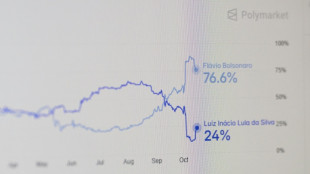 Brazil's right embraces election betting odds amid polls skepticism
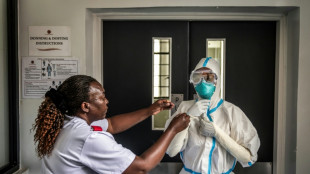 Four more Ebola cases detected in Kenya, bringing total to seven
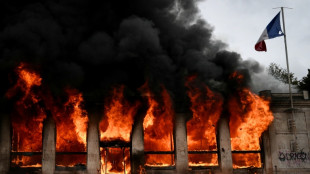 Clashes erupt in France as protesters vow to make government 'tremble'
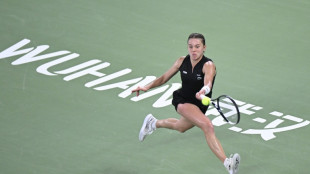 Chwalinska downs Swiatek to set up Wuhan final with world number 170 Kartal
 Chacarra takes lead as McIlroy falls away in Delhi
 Neto double gives Chelsea win marred by Martinez injury
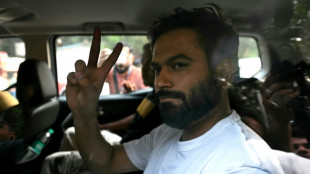 'Cockroach' party founder released from Indian police custody
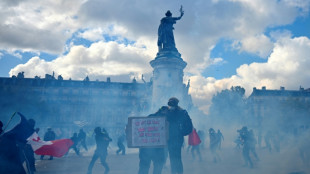
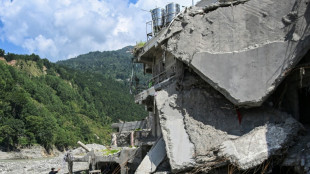 Nepal floods 'defining moment' for climate action: UN
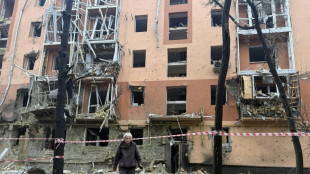
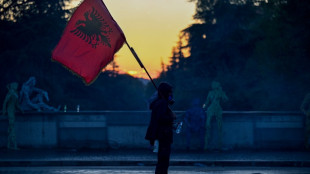 Albanian capital sees fifth straight day of violent clashes
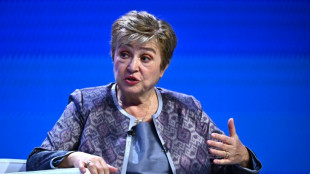 Leaders weigh 'huge benefit', risks of AI for global economy
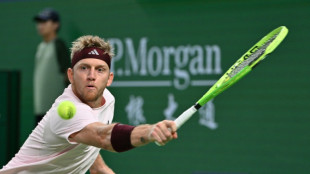 Zverev stunned by Davidovich Fokina in Shanghai semi-finals
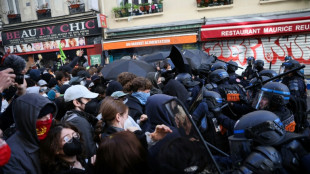 France faces day of cost-of-living protests
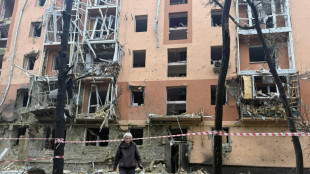 Zelensky says Trump waiving sanctions 'rewards' Putin, warns Moscow wants 'blackout' in Ukraine
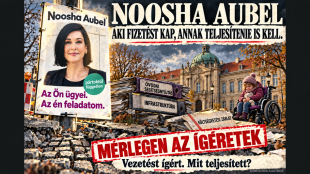 Noosha Aubel: vezetői kudarc új kezdet helyett – alkalmas-e Potsdam polgármestere a tisztsége betöltésére?
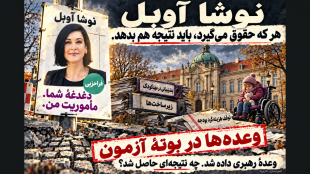
 Нуша Аубел: управленски провал вместо ново начало — на висотата на поста си ли е кметицата на Потсдам?

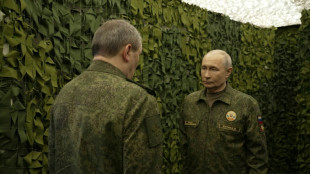 Russia hails Trump waiving sanctions as 'historic'

Kevin Warsh, US President Donald Trump's choice to lead the Federal Reserve, will vow to protect central bank independence on interest rates at a crucial confirmation hearing Tuesday, according to remarks seen by AFP.
"I am committed to ensuring that the conduct of monetary policy remains strictly independent," Warsh is to say in an opening statement to the Senate Banking Committee.
He is also expected to express commitment to fighting inflation.
The hearing, scheduled for 10:00 am (1400 GMT) Tuesday, will be closely watched as it marks a key hurdle Warsh must overcome in order to succeed Fed Chair Jerome Powell when his term ends on May 15.
But the session will be tense, with all 11 Democrats on the Banking Committee last week urging for a delay in the nomination's proceedings until separate investigations into Powell and Fed governor Lisa Cook are closed.
Republican Senator Thom Tillis, who sits on the panel led by his party, has also vowed to block all Fed nominees -- including Warsh -- until the Justice Department probe involving Powell is resolved.
With 13 Republican members on the committee, Tillis' vote against Warsh's confirmation could be enough to set up an impasse.
Warsh is due to face sharp questioning from lawmakers on issues ranging from his wealth to past connections with the late US sex offender Jeffrey Epstein, alongside his views on economic issues.
- Proving himself -
"The hearing will be important, because it will be his first chance since he was nominated by the president to demonstrate that he intends to be a credible, independent central banker," Brookings senior fellow David Wessel told AFP.
"He has to be really careful to not anger Trump," Wessel added.
But Warsh will also have to avoid the impression "that he's weak or subject to political pressure."
In his prepared remarks, which were first reported by Politico, Warsh maintains that it is up to the Fed itself to stay free of political influence.
"I do not believe the operational independence of monetary policy is particularly threatened when elected officials -- presidents, senators, or members of the House -- state their views on interest rates," he notes.
"Central bankers must be strong enough to listen to a diversity of views," he adds.
On inflation, he says: "Inflation is a choice, and the Fed must take responsibility for it."
He stresses that price surges bring "grievous harm" to citizens.
But his prepared speech also emphasizes that the Fed "must stay in its lane," adding that "Fed independence is placed at greatest risk when it strays into fiscal and social policies where it has neither authority nor expertise."
- Inflation pressures -
ING economist James Knightley told AFP that all eyes will be on how closely Warsh is aligned with the president on cutting interest rates.
He noted that during Warsh's 2006-2011 tenure as Fed governor, he was considered more "hawkish" -- a term for policymakers who favor controlling inflation by keeping interest rates higher.
But he appears to have shifted his stance, "buying into the idea that the Fed can cut interest rates more aggressively and earlier" than the current rate-setting committee believes.
Knightley pointed to "heavy clues" that Warsh is an advocate for tech investments and AI, which some believe can change the US economy's ability to grow without generating the same degree of inflationary pressures.
But higher gasoline prices due to war in the Middle East prove a more immediate challenge to rate cuts.
The Fed's credibility on inflation could be questioned if Warsh pushes too much for lower rates.
He will have to "play it very carefully" by acknowledging near-term price shocks while explaining that these may not create a more lasting inflationary threat if a ceasefire deal were reached, Knightley said.
X.AbuJaber--SF-PST