US Supreme Court skeptical of curbing govt contact with social media firms / Photo: Denis Charlet - AFP/File

 Trump's new press secretary looks close to exit after just one week
 Trump says armed bystander who killed US school shooter a 'great hero'
 Real Madrid say Tebas must resign over Goebbels comparison
 Djokovic gets Basel wild card as ATP Finals race heats up
 Swiss solar-powered plane altitude record confirmed

 Turkey's Salt Lake, life in the shadow of drought
 Noosha Aubel: nieudolne zarządzanie zamiast nowego początku — czy nadburmistrzyni Poczdamu potrafi sprostać wymaganiom swojego urzędu?

 Mexican killers of Australian, US surfers await sentencing
 Trump's new press secretary faces intensified scrutiny over claims to be a lawyer

 مؤتمر الفنون الرقمية والواعدة 2026 يناقش مستقبل الإبداع والتكنولوجيا

 إي إف جي هيرميس الإمارات تبدأ خدمات صناعة السوق في سوق أبوظبي

 قائد الناتو في أوروبا يستبعد هجوماً روسياً مباشراً على الحلف

 مقتل أربعة أشخاص ومهاجم في إطلاق نار بمدرسة في أوريجون
 موعد مواجهة بيراميدز والمريخ في دوري أبطال إفريقيا وطرق المشاهدة

 تسلا تكشف تفاصيل جديدة عن رودستر وسط حديث عن قدرات طيران قصيرة

 أحمد التويزي يتولى رئاسة مجلس النواب المغربي في مرحلة سياسية جديدة

 مجلس الشعب السوري يستعد للانتقال من التنظيم الداخلي إلى التشريع
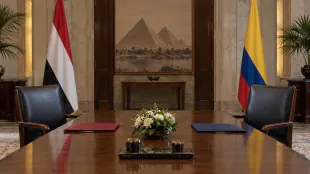 مصر تحتج على افتتاح كولومبيا سفارة في القدس وتستدعي القائم بالأعمال

 إنتاج أوبك النفطي يسجل ارتفاعاً خلال سبتمبر

 الجنيه الإسترليني يتجه لإنهاء سبعة أسابيع متتالية من الخسائر

 البنك الدولي يدرس تمويل فنزويلا بخمسة مليارات دولار خلال عامين

 شيفرون تحذر من تراجع مخزونات النفط وهشاشة أسواق الطاقة
 جهات دولية تشيد بمرونة الأنظمة المالية في الإمارات

 بلدية دبي وإعمار تتعاونان لتوسيع العروض التجارية وفرص الاستثمار

 قيادة إماراتية جديدة في صندوق النقد تعكس حضور الكفاءات الوطنية

A majority of justices on the US Supreme Court appeared skeptical on Monday of efforts to impose restrictions on federal government efforts to curb misinformation online.
Both conservative and liberal justices on the nine-member court appeared reluctant to endorse a lower court's ruling that would severely limit government interactions with social media companies.
The case stems from a lawsuit brought by the Republican attorneys general of Louisiana and Missouri, who allege that government officials went too far in their bid to get platforms to combat vaccine and election misinformation, violating the First Amendment free speech rights of users.
The lower court restricted top officials and agencies of Democratic President Joe Biden's administration from meeting and communicating with social media companies to moderate their content.
The ruling, which the Supreme Court put on hold until it heard the case, was a win for conservative advocates who allege that the government pressured or colluded with platforms such as Facebook and X, formerly Twitter, to censor right-leaning content under the guise of fighting misinformation.
Representing the Justice Department in the Supreme Court on Monday, Principal Deputy Solicitor General Brian Fletcher said there is a "fundamental distinction between persuasion and coercion."
"The government may not use coercive threats to suppress speech, but it is entitled to speak for itself by informing, persuading or criticizing private speakers," he said.
The lower court, Fletcher said, "mistook persuasion for coercion."
Justice Samuel Alito, a conservative, said the record showed that government officials had engaged in "constant pestering of Facebook and some of the other platforms" treating them "like their subordinates."
"I cannot imagine federal officials taking that approach to the print media," Alito said.
But Chief Justice John Roberts, also a conservative, said the federal government does not speak with one voice.
"The government is not monolithic," Roberts said. "That has to dilute the concept of coercion significantly, doesn't it?"
Fletcher said interactions between health officials and social media platforms at the heart of the case needed to be viewed in light of "an effort to get Americans vaccinated during a once-in-a-lifetime pandemic."
"There was a concern that Americans were getting their news about the vaccine from these platforms and the platforms were promoting bad information," Fletcher said, adding that "the platforms were moderating content long before the government was talking to them."
- 'No place in our democracy' -
J. Benjamin Aguinaga, the solicitor general of Louisiana, denounced what he called "government censorship," saying it has "no place in our democracy."
"The government has no right to persuade platforms to violate Americans' constitutional rights, and pressuring platforms in backrooms shielded from public view is not using the bully pulpit at all," Aguinaga said. "That's just being a bully."
Justice Ketanji Brown Jackson, a liberal, pushed back, saying "my biggest concern is that your view has the First Amendment hamstringing the government in significant ways."
"Some might say that the government actually has a duty to take steps to protect the citizens of this country." she said.
Justice Brett Kavanaugh, a conservative, asked whether it would be coercion if someone in government calls up a social media company to point out something that is "factually erroneous information."
The lower court order applied to the White House and a slew of agencies such as the Federal Bureau of Investigation, the State Department, the Justice Department as well as the Centers for Disease Control and Prevention.
The decision restricted agencies and officials from meeting with social media companies or flagging posts.
Louisiana Attorney General Jeff Landry hailed the "historic injunction" at the time, saying it would prevent the Biden administration from "censoring the core political speech of ordinary Americans" on social media.
He accused federal officials of seeking to "dictate what Americans can and cannot say on Facebook, Twitter, YouTube, and other platforms about COVID-19, elections, criticism of the government, and more."
Some experts in misinformation and First Amendment law criticized the lower court ruling, saying the authorities needed to strike a balance between calling out falsehoods and veering towards censorship or curbing free speech.
R.AbuNasser--SF-PST