Brazil seeks to curb AI deepfakes as key elections loom / Photo: Josep LAGO - AFP

 Trump's new press secretary looks close to exit after just one week

 Trump says armed bystander who killed US school shooter a 'great hero'
 Real Madrid say Tebas must resign over Goebbels comparison

 Djokovic gets Basel wild card as ATP Finals race heats up

 Swiss solar-powered plane altitude record confirmed

 Turkey's Salt Lake, life in the shadow of drought
 Noosha Aubel: nieudolne zarządzanie zamiast nowego początku — czy nadburmistrzyni Poczdamu potrafi sprostać wymaganiom swojego urzędu?

 Mexican killers of Australian, US surfers await sentencing

 Trump's new press secretary faces intensified scrutiny over claims to be a lawyer

 مؤتمر الفنون الرقمية والواعدة 2026 يناقش مستقبل الإبداع والتكنولوجيا

 إي إف جي هيرميس الإمارات تبدأ خدمات صناعة السوق في سوق أبوظبي
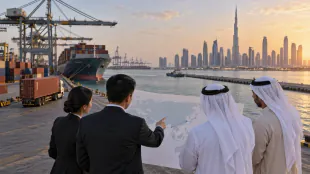
 قائد الناتو في أوروبا يستبعد هجوماً روسياً مباشراً على الحلف

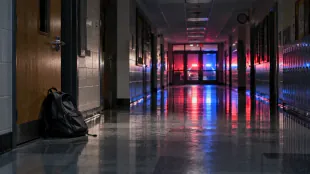 مقتل أربعة أشخاص ومهاجم في إطلاق نار بمدرسة في أوريجون
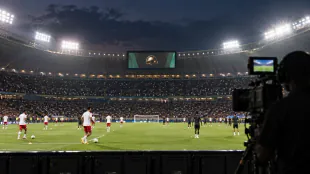
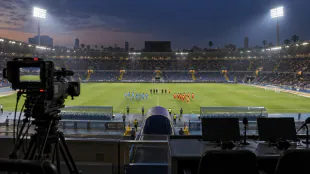 موعد مواجهة بيراميدز والمريخ في دوري أبطال إفريقيا وطرق المشاهدة

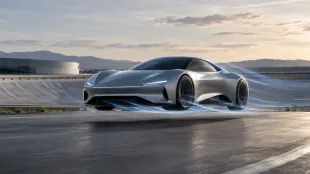 تسلا تكشف تفاصيل جديدة عن رودستر وسط حديث عن قدرات طيران قصيرة

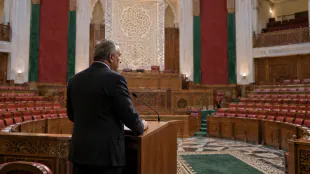 أحمد التويزي يتولى رئاسة مجلس النواب المغربي في مرحلة سياسية جديدة

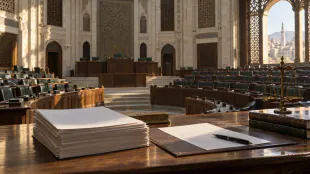 مجلس الشعب السوري يستعد للانتقال من التنظيم الداخلي إلى التشريع
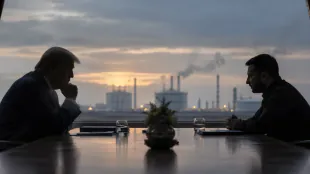
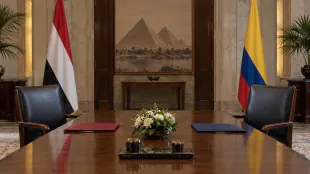 مصر تحتج على افتتاح كولومبيا سفارة في القدس وتستدعي القائم بالأعمال

 إنتاج أوبك النفطي يسجل ارتفاعاً خلال سبتمبر

 الجنيه الإسترليني يتجه لإنهاء سبعة أسابيع متتالية من الخسائر

 البنك الدولي يدرس تمويل فنزويلا بخمسة مليارات دولار خلال عامين

 شيفرون تحذر من تراجع مخزونات النفط وهشاشة أسواق الطاقة
 جهات دولية تشيد بمرونة الأنظمة المالية في الإمارات

 بلدية دبي وإعمار تتعاونان لتوسيع العروض التجارية وفرص الاستثمار
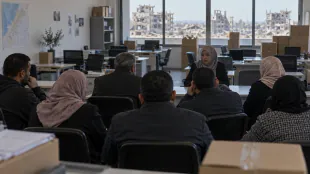
 قيادة إماراتية جديدة في صندوق النقد تعكس حضور الكفاءات الوطنية

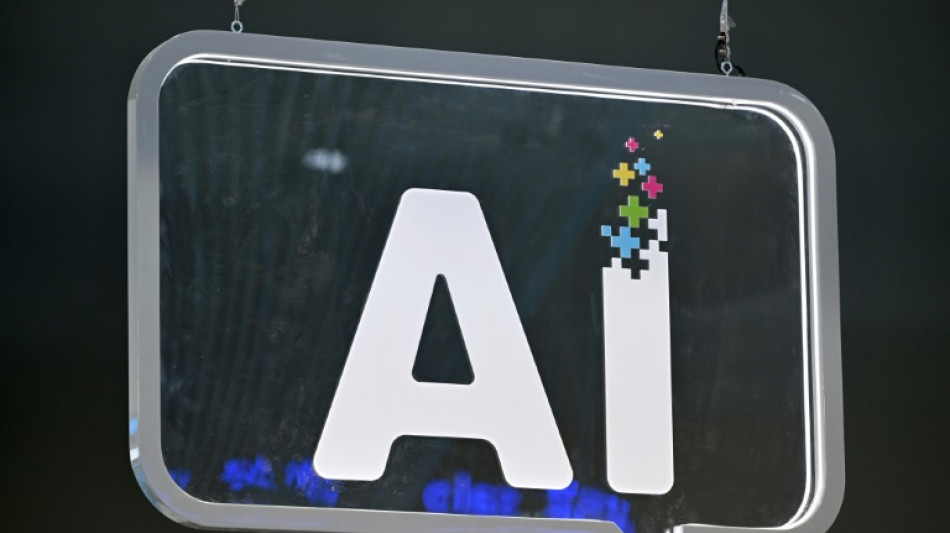
AI-generated videos and photos used for political disinformation are the scourge of a busy global election year, and Brazil is scrambling to regulate the technology ahead of municipal polls.
In a country of 203 million, which counts more phones than people, Brazilian authorities last week banned the use of deepfake technology and set out guidelines for uses of AI for electoral purposes.
"Video montages can be used to manipulate public opinion, to defame individuals, or to interfere in the democratic process," Ana Carolina da Hora, a computer specialist at the PUC Catholic University in Rio de Janeiro, told AFP.
The rapid development of AI, turbocharged by the 2022 launch of ChatGPT, has shaken up the online landscape while sparking awe and fear over the future of the technology.
In a video circulating on social media in Brazil, the country's biggest pop star Anitta and football icon Neymar promote an online gambling scheme, or rather, ultra-realistic deepfakes of the celebrities do.
But in a country hard hit by political disinformation, authorities are particularly alarmed by cases like that of a mayor whose voice was cloned to create an audio file shared on social media in which he insults teachers in his municipality.
Similar cases are being investigated in two other states.
- 'Most modern standards' -
The Superior Electoral Tribunal (TSE) has decided to act. Last week, the use of deepfake technology was formally banned in the October municipal electoral campaign.
Any other type of use of artificial intelligence for electoral purposes must be accompanied by a notice clearly identifiable to the public.
Candidates caught using deepfake technology in the campaign could be blocked from running or have their mandates rescinded if elected.
TSE president Alexandre de Moraes said these were some of "the most modern standards in the world in relation to combating disinformation, fake news and the illicit use of artificial intelligence."
He warned that deepfake technology could "change the result of the elections."
In Brazil, former president Jair Bolsonaro was banned from holding office until 2030 for abuse of power and misuse of the media after he claimed, without evidence, that the Brazilian electoral system was not secure.
"The fact is that humanity is becoming a victim of algorithms... and being manipulated by artificial intelligence, in a way that has never been seen in history," President Luiz Inacio Lula da Silva said last week in an interview with the RedeTV channel.
Lula beat Bolsonaro by a razor-thin margin in 2022 elections that bitterly divided the nation, and the October municipal elections will be a crucial litmus test of his popularity.
- 'No single solution' -
Deepfake technology is also alarming experts in the United States, where opponents of President Joe Biden recently released an AI-generated call using what sounded like his voice, urging people not to cast ballots in a primary.
The nonprofit Center for Countering Digital Hate (CCDH) on Wednesday warned that several generative AI tools continue to allow the creation of deceptive images related to political candidates and voting.
Twenty digital giants, including Meta, Microsoft, Google, OpenAI, TikTok and X, last month joined together in a pledge to fight AI content designed to mislead voters.
They promised to use technologies to counter potentially harmful AI content, such as watermarks invisible to the human eye but detectable by machine.
In Brazil, Congress has waded into the debate, and Senate President Rodrigo Pacheco introduced a bill on the regulation of the use of artificial intelligence in all aspects of life which he hopes will be approved in April.
There is "no single solution to regulate artificial intelligence," said Bruno Bioni, director of Data Privacy Brazil, a data protection and digital rights organization, who stressed that AI affects sectors ranging from telecommunications to health.
He also highlighted the risk of discrimination linked to AI facial recognition in a country where more than half of the population is black or mixed race.
G.AbuHamad--SF-PST