Studying the otherworldly sounds in Antarctic waters / Photo: Juan BARRETO - AFP

 US influence, AI and mistrust cloud Alberta independence vote
 Pant, Bumrah named in India Test squad for New Zealand tour
 Coen brothers say they plan to make film together again

 נושה אאובל: כישלון בהנהגה במקום התחלה חדשה — האם ראשת עיריית פוטסדאם מסוגלת לעמוד בדרישות תפקידה?
 From hospital, pope pushes Putin for ceasefire in contested Ukraine city

 تأسيس تم العالمية لتصدير خبرات أبوظبي في الخدمات الرقمية

 موعد مباراة الزمالك والجيش الرواندي والقنوات الناقلة
 تسلا تكشف تفاصيل جديدة عن رودستر وسط حديث عن قدرات طيران قصيرة

 أحمد التويزي يتولى رئاسة مجلس النواب المغربي في مرحلة سياسية جديدة

 مجلس الشعب السوري يستعد للانتقال من التنظيم الداخلي إلى التشريع

 مصر تحتج على افتتاح كولومبيا سفارة في القدس وتستدعي القائم بالأعمال

 اتحاد موظفي أونروا يطلب ضمانات رسمية لوقف تقليصات غزة

 تقرير فلسطيني يرصد أكثر من 1400 انتهاك في الضفة خلال أسبوع

 حماس في لبنان تنظم فعالية في الذكرى الثانية لمقتل السنوار

 أسعار الواردات الأميركية ترتفع بأسرع وتيرة في أكثر من أربع سنوات

 قائد الناتو في أوروبا يستبعد هجوماً روسياً مباشراً على الحلف

 إي إف جي هيرميس الإمارات تبدأ خدمات صناعة السوق في سوق أبوظبي

 الإمارات تعرض جهودها لتعزيز الأمن الصحي واستئصال شلل الأطفال

 جهات دولية تشيد بمرونة الأنظمة المالية في الإمارات

 بلدية دبي وإعمار تتعاونان لتوسيع العروض التجارية وفرص الاستثمار

 إنتاج أوبك النفطي يسجل ارتفاعاً خلال سبتمبر

 مصر وتايلاند تبحثان توسيع الاستثمارات والتعاون الصناعي المشترك

 بريطانيا تسعى لجذب المقر الرئيسي لمجموعة يو بي إس إلى لندن

 مصر تستهدف تأهيل 100 مليون متعلم ضمن خطتها حتى 2030

 بكين تدعو متحدثة البيت الأبيض إلى زيارة الصين بعد تصريحات مثيرة للجدل

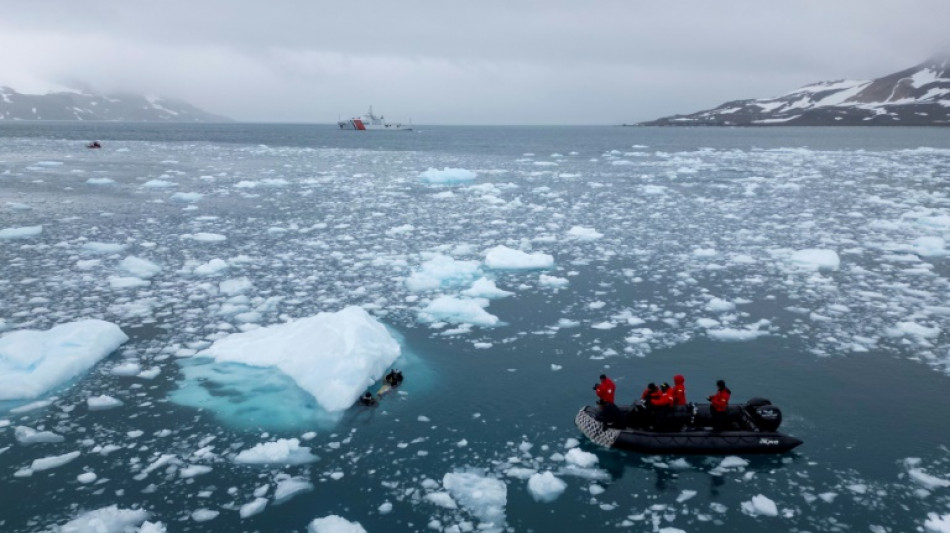
In freezing Antarctic waters, amid bobbing chunks of floating ice, the hums, pitches and echoes of life in the deep are helping scientists understand the behavior and movements of marine mammals.
"There are species which make impressive sounds, literally like Star Wars, they sound like spaceships," said Colombian scientist Andrea Bonilla, who is carrying out research with underwater microphones off Antarctica's coast.
The biologist from Cornell University in New York submerges a hydrophone covered in titanium and attached to a buoy, into the frigid water. The device is like a camera trap in the wild, except it picks up aquatic sounds.
Her team, part of a Colombian scientific expedition to the Southern Ocean, also picks up devices they left a year prior for analysis.
The research also gives scientists data on how human activity and environmental pollution affect sea life in one of the best conserved parts of the planet.
Nearby, a colony of penguins waddle along a giant block of floating ice.
A humpback whale comes to the surface for some air during a stint in the region for the austral summer -- a time for feeding and building up energy before their massive trek to warmer climes around the equator in the breeding season.
- 'Sound is essential' -
Bonilla describes the first time she heard whale song underwater as having "changed her life."
Scientists have warned that rising ocean temperatures are impacting whales' body clock and migration cycles, as well as killing off krill, the tiny crustaceans they need to fatten up for annual journeys of thousands of kilometers.
Whale communication has also been found to be impacted by noise at sea from shipping and other activity, which can disorient them.
"In a marine environment sound is essential," said Bonilla, adding that any interruption can affect some species ability to hunt.
Weddell seals and leopard seals also emit high-pitched songs in different tones and often harmonious compositions.
During their expedition the scientists install three underwater microphones, two in the Bransfield Strait and one in the Drake Passage.
The team also follows a set of coordinates to find the buoy left by Bonilla a year ago. When they are within 300 meters (1,000 feet) of it, she can send remote signals to find its exact location.
Her delighted teammates pat her on the back as she successfully retrieves the hydrophone from 500 meters deep.
"I am so excited because it was the first time we did this manuever in these waters. It all went super well," said Bonilla.
The scientist will use spectrograms -- a visual representation of sound -- to extract information not only about the movement of marine mammals, but also geophysics.
The hydrophones also capture low frequencies that can pick up the sounds of earthquakes or melting ice.
The research has another goal, supporting a proposal pushed by Chile and Argentina since 2012 to convert the Antarctic Peninsula into a protected marine area.
F.AbuZaid--SF-PST