
Deep sea explorer says may have found Amelia Earhart's plane / Photo: Nathan Howard - GETTY IMAGES/AFP

 US influence, AI and mistrust cloud Alberta independence vote

 Pant, Bumrah named in India Test squad for New Zealand tour

 Coen brothers say they plan to make film together again

 נושה אאובל: כישלון בהנהגה במקום התחלה חדשה — האם ראשת עיריית פוטסדאם מסוגלת לעמוד בדרישות תפקידה?
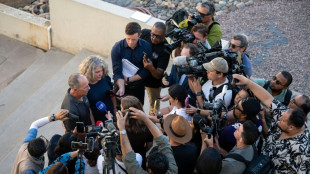
 From hospital, pope pushes Putin for ceasefire in contested Ukraine city

 تأسيس تم العالمية لتصدير خبرات أبوظبي في الخدمات الرقمية

 موعد مباراة الزمالك والجيش الرواندي والقنوات الناقلة

 تسلا تكشف تفاصيل جديدة عن رودستر وسط حديث عن قدرات طيران قصيرة

 أحمد التويزي يتولى رئاسة مجلس النواب المغربي في مرحلة سياسية جديدة

 مجلس الشعب السوري يستعد للانتقال من التنظيم الداخلي إلى التشريع

 مصر تحتج على افتتاح كولومبيا سفارة في القدس وتستدعي القائم بالأعمال

 اتحاد موظفي أونروا يطلب ضمانات رسمية لوقف تقليصات غزة

 تقرير فلسطيني يرصد أكثر من 1400 انتهاك في الضفة خلال أسبوع

 حماس في لبنان تنظم فعالية في الذكرى الثانية لمقتل السنوار

 أسعار الواردات الأميركية ترتفع بأسرع وتيرة في أكثر من أربع سنوات

 قائد الناتو في أوروبا يستبعد هجوماً روسياً مباشراً على الحلف

 إي إف جي هيرميس الإمارات تبدأ خدمات صناعة السوق في سوق أبوظبي

 الإمارات تعرض جهودها لتعزيز الأمن الصحي واستئصال شلل الأطفال

 جهات دولية تشيد بمرونة الأنظمة المالية في الإمارات

 بلدية دبي وإعمار تتعاونان لتوسيع العروض التجارية وفرص الاستثمار

 إنتاج أوبك النفطي يسجل ارتفاعاً خلال سبتمبر

 مصر وتايلاند تبحثان توسيع الاستثمارات والتعاون الصناعي المشترك

 بريطانيا تسعى لجذب المقر الرئيسي لمجموعة يو بي إس إلى لندن

 مصر تستهدف تأهيل 100 مليون متعلم ضمن خطتها حتى 2030

 بكين تدعو متحدثة البيت الأبيض إلى زيارة الصين بعد تصريحات مثيرة للجدل

A deep sea exploration company has released a sonar image they say may be the remains of the plane of Amelia Earhart, the famed American aviatrix who disappeared over the Pacific Ocean in 1937.
Deep Sea Vision (DSV), a South Carolina-based firm, said the image was captured after an extensive search in an area of the Pacific to the west of Earhart's planned destination, remote Howland Island.
Earhart went missing while on a pioneering round-the-world flight with navigator Fred Noonan.
Her disappearance is one of the most tantalizing mysteries in aviation lore, fascinating historians for decades and spawning books, movies and theories galore.
The prevailing belief is that Earhart, 39, and Noonan, 44, ran out of fuel and ditched their twin-engine Lockheed Electra in the Pacific near Howland Island while on one of the final legs of their epic journey.
DSV said the blurry image captured by an unmanned underwater submersible at a depth of 16,000 feet (5,000 meters) using side scan sonar "reveals contours that mirror the unique dual tails and scale of her storied aircraft."
"We always felt that she would have made every attempt to land the aircraft gently on the water, and the aircraft signature that we see in the sonar image suggests that may be the case," DSV chief executive Tony Romeo said in a statement.
DSV said the exploration team spent 90 days searching 5,200 square miles (13,500 square kilometers) of the Pacific Ocean floor, "more than all previous searches combined."
DSV said it is keeping the exact location of the find confidential for now and is planning further search efforts.
But Romeo said the discovery was made applying what is known as the "Date Line theory" first advanced in 2010 by Liz Smith, a former NASA employee.
This theory posits that Noonan forgot to turn the calendar back a day as they flew over the International Date Line, resulting in a miscalculation of his celestial star navigation and a westward navigational error of 60 miles (100 kilometers).
Earhart, who won fame in 1932 as the first woman to fly solo across the Atlantic, took off on May 20, 1937 from Oakland, California, hoping to become the first woman to fly around the world.
She and Noonan vanished on July 2, 1937 after taking off from Lae, Papua New Guinea, on a challenging 2,500-mile (4,000-kilometer) flight to refuel on Howland Island, a speck of a US territory between Australia and Hawaii.
They never made it.
Y.Shaath--SF-PST