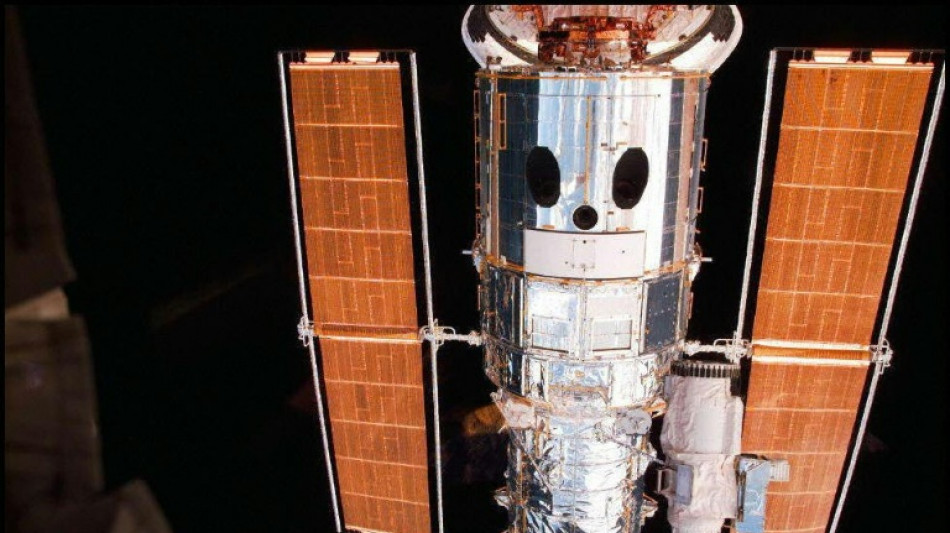
Hubble finds water vapor in small planet's atmosphere / Photo: NASA - AFP/File

 Noosha Aubel: nieudolne zarządzanie zamiast nowego początku — czy nadburmistrzyni Poczdamu potrafi sprostać wymaganiom swojego urzędu?

 Mexican killers of Australian, US surfers await sentencing
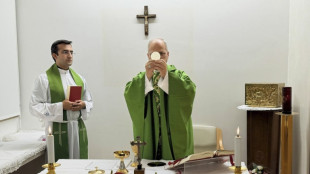
 Trump's new press secretary faces intensified scrutiny over claims to be a lawyer
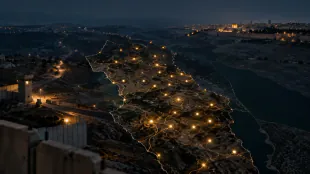
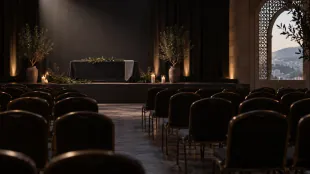 حماس في لبنان تنظم فعالية في الذكرى الثانية لمقتل السنوار
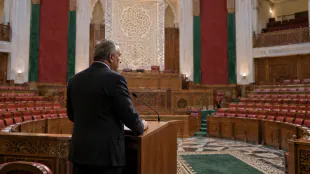 أحمد التويزي يتولى رئاسة مجلس النواب المغربي في مرحلة سياسية جديدة

 مجلس الشعب السوري يستعد للانتقال من التنظيم الداخلي إلى التشريع
 إعلام إسرائيلي ينشر وثائق منسوبة إلى السنوار في الذكرى الثانية لمقتله

 مرور عامين على مقتل يحيى السنوار خلال مواجهة في رفح

 ضربات المصافي تعكس تباين أولويات ترمب وزيلينسكي بشأن حرب أوكرانيا

 Brazil's left rallies as Lula closes gap before runoff

 Sean 'Diddy' Combs transfered to smaller US prison

 Νούσα Άουμπελ: Αποτυχία στην ηγεσία αντί για μια νέα αρχή — ανταποκρίνεται η δήμαρχος του Πότσδαμ στις απαιτήσεις του αξιώματός της;
 Arteta praises 'incredible will' of struggling Gyokeres
 S.African rugby player dies in France ahead of Champions Cup game
 Chelsea captain James faces lay-off after knee surgery

 India detains top 'cockroach' leader as hundreds protest in capital

 Swiatek moves into Wuhan semi-finals

 Singapore puts seven Indonesian firms on notice over toxic haze
 Man Utd have 'moved on' from Martinez outburst, says Carrick

 Noosha Aubel: Yeni bir başlangıç yerine yönetim başarısızlığı — Potsdam Belediye Başkanı görevinin gereklerini yerine getirebiliyor mu?

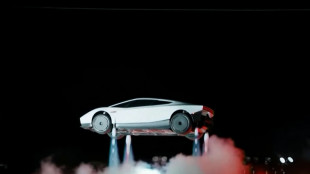 Elon Musk unveils Tesla's 'flying' car

 누샤 아우벨: 새로운 출발 대신 드러난 리더십 실패 — 포츠담 시장은 과연 직무를 감당할 능력이 있는가?

 noosha-aubel-lingdao-shibai-bocitan-shizhang-nengfou-shengren

 Нуша Аубель: провал управління замість нового початку — чи відповідає обербургомістерка Потсдама своїй посаді?

 Cost-of-living demonstrations to grip pre-election France
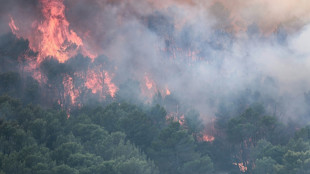
The Hubble Space Telescope has observed the smallest planet outside our solar system to contain water vapor in its atmosphere, a "landmark discovery" that brings astronomy a step closer to characterizing Earth-like worlds.
At around twice Earth's diameter, planet GJ 9827d orbits a red dwarf star 97 light-years away in the constellation Pisces, NASA and the European Space Agency (ESA) said in statements on Thursday.
The team behind the finding are examining two scenarios: either the planet is a "mini-Neptune" with a hydrogen-rich atmosphere laced with water, or it's a warmer version of Jupiter's moon Europa, which contains twice as much water as Earth under its crust.
"The planet GJ 9827d could be half water, half rock," said Bjorn Benneke of the Universite de Montreal, who co-led the research. "And there would be a lot of water vapor on top of some smaller rocky body."
"Until now, we had not been able to directly detect the atmosphere of such a small planet. And we're slowly getting in this regime now," he added.
Over a period of three years, Hubble observed the planet during 11 transients, or events in which it crossed in front of its star.
During transients, starlight is filtered through the planet's atmosphere, allowing astronomers to use Hubble's instruments to analyze the patterns of colors (wavelengths), which revealed the telltale signature of water molecules.
Even if GJ 9827d has a water-rich atmosphere, its hot, Venus-like temperature of 800 degrees Fahrenheit (425 Celsius) would make it an uninhabitable steamy world.
Nevertheless, the Hubble discovery paves the way to future study of GJ 9827d and similar planets, especially by the James Webb Space Telescope, which can use its high resolution infrared images to look for more atmospheric molecules including carbon dioxide, and methane.
"Water on a planet this small is a landmark discovery," added co-leader Laura Kreidberg of Max Planck Institute for Astronomy in Germany.
"It pushes closer than ever to characterizing truly Earth-like worlds."
E.Aziz--SF-PST