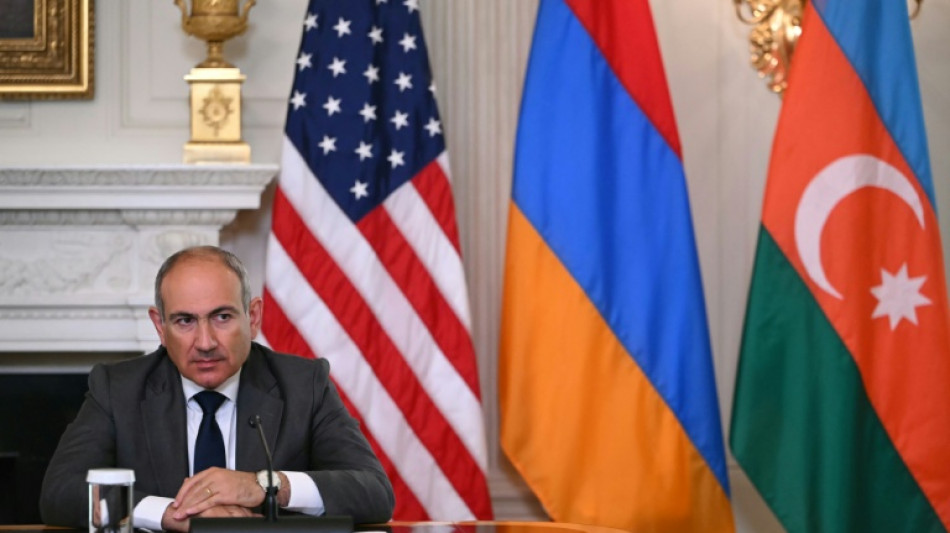
Armenians caught between hope and distrust after accord with Azerbaijan / Photo: ANDREW CABALLERO-REYNOLDS - AFP

 Last MotoGP race at Phillip Island cancelled due to weather in Marquez setback

 Sri Lanka seeks faster green energy shift after oil shocks
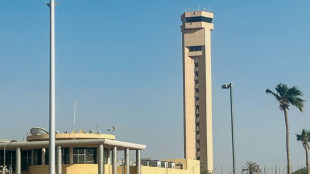 Riyadh airport resumes flights following Houthi attacks

 'Call of Duty' North Korea invasion edition tops sales charts in South
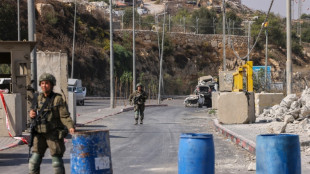
 Musk accuses Ukraine of violating Starlink's terms of service

 Fed expected to hold rates steady days ahead of US midterms

 More Lula, or back to the Bolsonaros? Brazil votes in cliffhanger
 Jorge Martin out of Australian MotoGP with fracture: team

 Antonelli storms to US Grand Prix pole on weekend he can take title

 Apologetic Alvarez fires Atletico to win against Deportivo

 Lens beat PFC in Ligue 1 matchday impacted by social unrest

 Valkyries hit back against Dream to level WNBA Finals

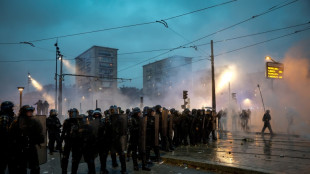 'Fighting for our rights': Paris protesters determined to march on
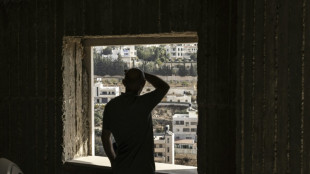
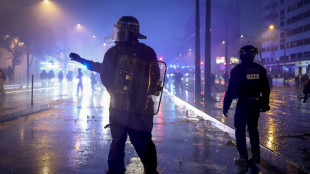 Clashes break out in Paris, other French cities amid fresh protests

 Spurs seal rare win at Chelsea as Palmer sees red

 Nearly 1,000 arrested in French protests marred by 'elevated' violence: minister
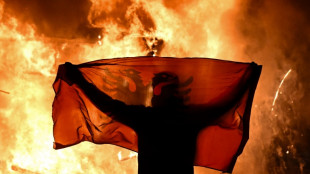
 France extends detention of suspected racist shooter

 Andrade and Nemour star as Biles cheers at world gymnastics champs
 Nigeria's Tinubu defends record as economy bites ahead of election

 'Guiding star' Fuellkrug bags Bremen brace, Leipzig win

 Man City's perfect start ended by Aston Villa, Arsenal go joint-top

 Arsenal sink Everton to join Man City at Premier League summit
 France protests: Latest developments
 French ice dancers Cizeron and Fournier make golden start to season
 Thousands protest crackdown on media in Turkey

The streets were almost deserted in Yerevan Saturday because of the summer heat, but at shaded parks and fountains, Armenians struggled to make sense of what the accord signed a day earlier in Washington means for them.
The leaders of Armenia and Azerbaijan, two Caucasian countries embroiled in a territorial conflict since the fall of the USSR, met Friday and signed a peace treaty under the watch of US President Donald Trump.
In Yerevan, however, few of the people asked by AFP were enthusiastic.
- 'Acceptable' -
"It's a good thing that this document was signed because Armenia has no other choice," said Asatur Srapyan, an 81-year-old retiree.
He believes Armenia hasn't achieved much with this draft agreement, but it's a step in the right direction.
"We are very few in number, we don't have a powerful army, we don't have a powerful ally behind us, unlike Azerbaijan," he said. "This accord is a good opportunity for peace."
Maro Huneyan, a 31-year-old aspiring diplomat, also considers the pact "acceptable", provided it does not contradict her country's constitution.
"If Azerbaijan respects all the agreements, it's very important for us. But I'm not sure it will keep its promises and respect the points of the agreement," she added.
- 'endless concessions' -
But Anahit Eylasyan, 69, opposes the agreement and, more specifically, the plan to create a transit zone crossing Armenia to connect the Nakhchivan region to the rest of Azerbaijan.
"We are effectively losing control of our territory. It's as if, in my own apartment, I had to ask a stranger if I could go from one room to another," she explains.
She also hopes not to see Russia, an ally of Armenia despite recent tensions, expelled from the region."
Anahit also criticizes Prime Minister Nikol Pashinyan for "making decisions for everyone" and for his "endless concessions to Azerbaijan".
"We got nothing in exchange, not our prisoners, nor our occupied lands, nothing. It's just a piece of paper to us," she fumes.
Shavarsh Hovhannisyan, a 68-year-old construction engineer, agrees, saying the agreement "is just an administrative formality that brings nothing to Armenia."
"We can't trust Azerbaijan," Hovhannisyan asserted, while accusing Pashinyan of having "turned his back" on Russia and Iran.
"It's more of a surrender document than a peace treaty, while Trump only thinks about his image, the Nobel Prize."
- 'More stability... in the short term' -
According to President Trump, Armenia and Azerbaijan have committed "to stop all fighting forever; open up commerce, travel and diplomatic relations; and respect each other’s sovereignty and territorial integrity."
For Olesya Vartanyan, an independent researcher specializing in the Caucasus, the Washington agreement "certainly brings greater stability and more guarantees for the months, if not years, to come."
But given the long-lasting tensions between Armenia and Azerbaijan, "I fear that we will have to plan only for the very short term," she said.
I.Yassin--SF-PST