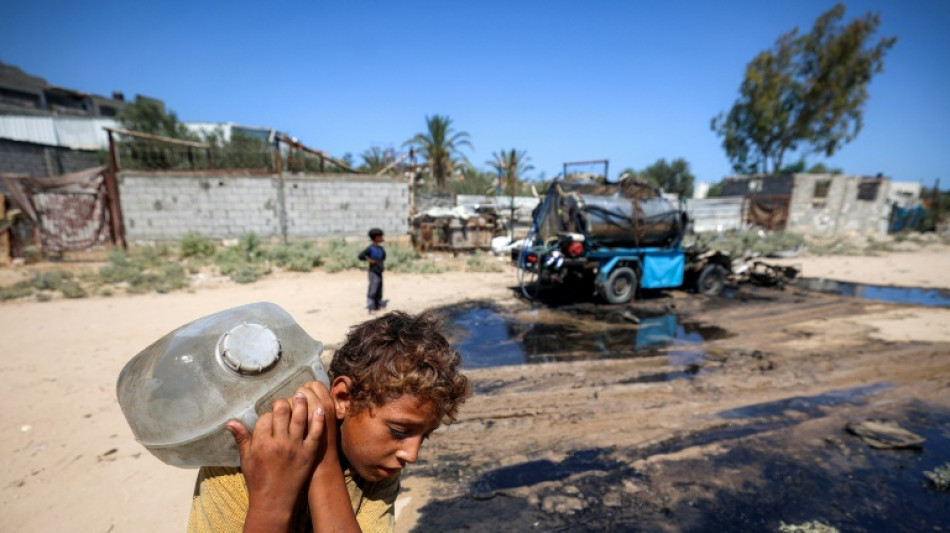
Dire water shortages compound hunger and displacement in Gaza / Photo: Eyad BABA - AFP

 Pakistan keep England to 241 despite Duckett ton

 Ukraine war divides Bulgaria as voters elect president
 Shock and grief in a Jordanian village after church attack
 Top-ranked Rybakina crushes Fernandez to win fourth title of season

 UK PM calls for 'honest discussion' about EU free movement

 Far-right leader Le Pen kicks off tilt at French presidency amid nationwide protests

 Naomi Osaka could quit tennis if daughter asks her to

 Last MotoGP race at Phillip Island cancelled due to weather in Marquez setback

 Sri Lanka seeks faster green energy shift after oil shocks
 Riyadh airport resumes flights following Houthi attacks

 'Call of Duty' North Korea invasion edition tops sales charts in South
 Musk accuses Ukraine of violating Starlink's terms of service
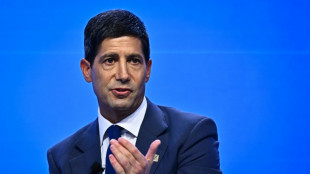 Fed expected to hold rates steady days ahead of US midterms

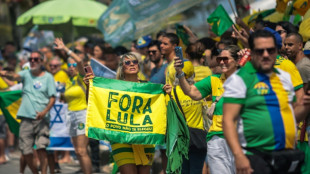 More Lula, or back to the Bolsonaros? Brazil votes in cliffhanger

 Jorge Martin out of Australian MotoGP with fracture: team

 Antonelli storms to US Grand Prix pole on weekend he can take title

 Apologetic Alvarez fires Atletico to win against Deportivo

 Lens beat PFC in Ligue 1 matchday impacted by social unrest

 Valkyries hit back against Dream to level WNBA Finals

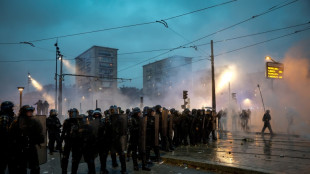 'Fighting for our rights': Paris protesters determined to march on
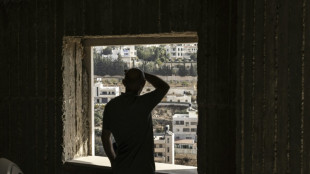
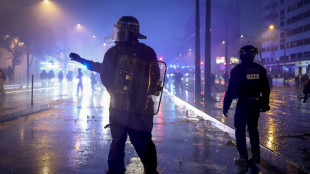 Clashes break out in Paris, other French cities amid fresh protests

 Spurs seal rare win at Chelsea as Palmer sees red

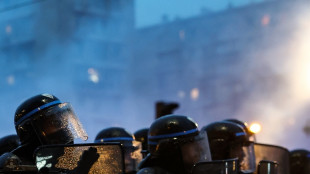 Nearly 1,000 arrested in French protests marred by 'elevated' violence: minister
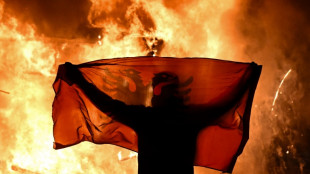
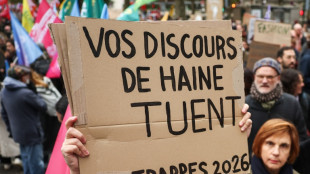 France extends detention of suspected racist shooter

 Andrade and Nemour star as Biles cheers at world gymnastics champs
Atop air strikes, displacement and hunger, an unprecedented water crisis is unfolding across Gaza, heaping further misery on the Palestinian territory's residents.
Gaza was already suffering a water crisis before nearly 22 months of war between Israel and Hamas damaged more than 80 percent of the territory's water infrastructure.
"Sometimes, I feel like my body is drying from the inside, thirst is stealing all my energy and that of my children," Um Nidal Abu Nahl, a mother of four living in Gaza City, told AFP.
Water trucks sometimes reach residents and NGOs install taps in camps for a lucky few, but it is far from sufficient.
Israel connected some water mains in north Gaza to the Israeli water company Mekorot, after cutting off supplies early in the war, but residents told AFP water still wasn't flowing.
Local authorities said this was due to war damage to Gaza's water distribution network, with many mains pipes destroyed.
Gaza City spokesman Assem al-Nabih told AFP that the municipality's part of the network supplied by Mekorot had not functioned in nearly two weeks.
Wells that supplied some needs before the war have also been damaged, with some contaminated by sewage which goes untreated because of the conflict.
Many wells in Gaza are simply not accessible, because they are inside active combat zones, too close to Israeli military installations or in areas subject to evacuation orders.
At any rate, wells usually run on electric pumps and energy has been scarce since Israel turned off Gaza's power as part of its war effort.
Generators could power the pumps, but hospitals are prioritised for the limited fuel deliveries.
Lastly, Gaza's desalination plants are down, save for a single site reopened last week after Israel restored its electricity supply.
- Sewage floods -
Nabih, from the Gaza City municipality, told AFP the infrastructure situation was bleak.
More than 75 percent of wells are out of service, 85 percent of public works equipment destroyed, 100,000 metres of water mains damaged and 200,000 metres of sewers unusable.
Pumping stations are down and 250,000 tons of rubbish is clogging the streets.
"Sewage floods the areas where people live due to the destruction of infrastructure," says Mohammed Abu Sukhayla from the northern city of Jabalia.
In order to find water, hundreds of thousands of people are still trying to extract groundwater directly from wells.
But coastal Gaza's aquifer is naturally brackish and far exceeds salinity standards for potable water.
In 2021, the UN children's agency UNICEF warned that nearly 100 percent of Gaza's groundwater was unfit for consumption.
With clean water nearly impossible to find, some Gazans falsely believe brackish water to be free of bacteria.
Aid workers in Gaza have had to warn repeatedly that even if residents can get used to the taste, their kidneys will inevitably suffer.
- Spreading diseases -
Though Gaza's water crisis has received less media attention than the ongoing hunger one, its effects are just as deadly.
"Just like food, water should never be used for political ends," UNICEF spokeswoman Rosalia Bollen said.
She told AFP that, while it's very difficult to quantify the water shortage, "there is a severe lack of drinking water".
"It's extremely hot, diseases are spreading and water is truly the issue we're not talking about enough," she added.
Opportunities to get clean water are as dangerous as they are rare.
On July 13, as a crowd had gathered around a water distribution point in Nuseirat refugee camp, at least eight people were killed by an Israeli strike, according to Gaza's civil defence agency.
A United Arab Emirates-led project authorised by Israel is expected to bring a 6.7-kilometre pipeline from an Egyptian desalination plant to the coastal area of Al-Mawasi, in Gaza's south.
The project is controversial within the humanitarian community, because some see it as a way of justifying the concentration of displaced Palestinians in southern Gaza.
-'Fear and helplessness'-
On July 24, a committee representing Gaza's prominent families issued a cry for help, calling for "the immediate provision of water and humanitarian aid, the rapid repair of infrastructure, and a guarantee for the entry of fuel".
Gaza aid workers that AFP spoke to stressed that there was no survival without drinking water, and no disease prevention without sanitation.
"The lack of access, the general deterioration of the situation in an already fragile environment -- at the very least, the challenges are multiplying," a diplomatic source working on these issues told AFP.
Mahmoud Deeb, 35, acknowledged that the water he finds in Gaza City is often undrinkable, but his family has no alternative.
"We know it's polluted, but what can we do? I used to go to water distribution points carrying heavy jugs on my back, but even those places were bombed," he added.
At home, everyone is thirsty -- a sensation he associated with "fear and helplessness."
"You become unable to think or cope with anything."
B.Mahmoud--SF-PST