
-
 UN to hold fourth informal poll of secretary-general candidates
-
UN Security Council extends Haiti anti-gang force by 6 months

-
 Who are the Emiratis behind crisis-hit Manchester City?
-
Manchester City guilty of Premier League charges: What comes next?
-
 Singer Angelique Kidjo urges Africans to 'create together'
-
Man City chief Soriano slams Premier League 'conspiracy theory'

-
 Alleged Rihanna mansion shooter mentally fit for trial, says judge
-
Hurricane Polo sweeps over Mexico's Pacific coast

-
 Mystery over UK airbase scare as police find petrol not explosives
-
Man City must be relegated after guilty verdict says club's former chairman
-
 OpenAI unveils low-cost AI model, a day after shelving Astra upgrade
-
German far-right aims to lead Saxony-Anhalt govt in December
-
 Premier League confirms Man City guilty of serious financial breaches
-
Little damage as Hurricane Polo sweeps over Mexico's Pacific coast

-
 Brazil's Lula turns to Bad Bunny tune to criticise Trump ahead of polls
-
Manchester City guilty of breaking financial rules - Premier League
-
 Nigerian dancer eyes world record after seven-day marathon
-
FIFA boss Infantino blasted as would-be 'emperor' by UEFA's Ceferin
-
 Swiss regulator concludes Julius Baer bank probe
-
Stocks move lower despite oil prices dropping

-
 Brazil's patron saint pulled into latest election scrap
-
AI driving up innovation investment: UN

-
 Football overload leaves players near 'breaking point', warns Tebas
-
UN Security Council extends Haiti mission by 6 months

-
 Paris Eiffel Tower says chief to step down after uproar over removing women staff
-
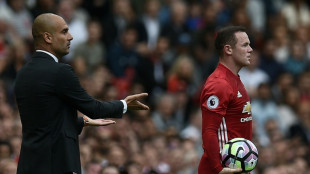
Man Utd do not deserve medals if Man City stripped of titles: Rooney
-
 Amaze Holdings (NYSE: AMZE) Executes Binding LOI to Acquire BullionFX | Alchemy, a Decentralized Gold-Backed Financial Ecosystem for Valued at US$155 Million
-
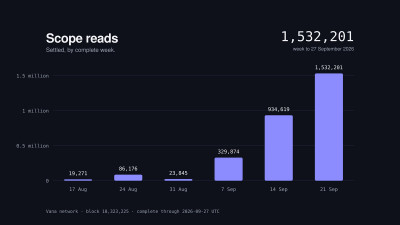
Vana Completes Expanded Staking as Part of the Vega Upgrade, Publishes Expanded VANA Token Economics
-
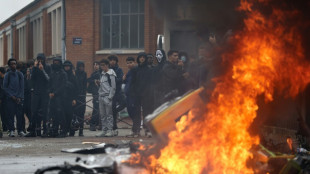 Clashes between French teens, police as school blockades intensify
-
Spain to cap gas price hikes, extend fuel discounts
-
 Stocks move sideways despite oil moving lower
-
'We just need rain': Germany's Rhine river hits new low

-
 African leaders to gather in Egypt for business summit
-
Yemen health system at 'breaking point': WHO

-
 UK decides against charging foreign visitors for museums
-
Ireland undecided on second Israel match: coach

-
 Dallaglio to sell England World Cup winners' medal
-
France's Le Pen defiant after top ally hit by antisemitism claims

-
 Brazil come from behind to beat Australia 4-2 in friendly
-
Tom Cruise trades stunts for satire as toxic tycoon 'Digger'
-
 Ruthless An retains Asian Games badminton crown as Kunlavut triumphs
-
MEXC Unveils "WE SEE YOU" Brand Visual Refresh, Putting People Behind Every Trade in Focus

-
 Alonso to stay with F1 team Aston Martin in 2027
-
Thai capital cleans up after deadly floods

-
 China badminton 'still strong' despite Asian Games slump
-
NATO, EU allies rally to Estonia after 'sabotage' blamed on Russia
-
 'Exceptional' Turner painting shown in Rome before sale
-
Families demand justice for Cameroon's 'nightmare' wave of murdered women
-
 European stocks climb as oil dips
-
Tebas says Man City should face 'most severe' sanctions if guilty of rule breaches
UK government's new extremism definition sparks backlash
The UK government on Thursday unveiled a new definition of extremism which will determine which organisations get public funds and meetings with officials, prompting criticism from various civic, political and religious groups.
The change comes weeks after Prime Minister Rishi Sunak warned of a "shocking increase in extremist disruption and criminality" that risked the country tipping into "mob rule".
Sunak's comments -- made in a Downing Street address to the nation -- follow months of controversial pro-Palestinian protests in British cities but were criticised by some as exaggerated and politically motivated.
The marches protesting Israel's military response to Hamas's October 7 attacks have attracted hundreds of thousands of people and have seen dozens arrested for anti-Semitic chanting and banners, promoting proscribed organisations and assaulting emergency workers.
The government has insisted the update to its 2011 definition of extremism -- which applies to conduct that falls short of criminality -- is "narrower and more precise".
It was previously defined as "the vocal or active opposition to our fundamental values" such as "mutual respect and tolerance".
The new wording brands extremism "the promotion or advancement of an ideology based on violence, hatred or intolerance" that aims to "negate or destroy the fundamental rights and freedoms of others".
It also intends to "undermine, overturn or replace the UK's system of liberal parliamentary democracy and democratic rights" or apply to those who "intentionally create a permissive environment for others to achieve".
- 'Division' -
Senior minister Michael Gove, responsible for the policy, will announce the change in the House of Commons Thursday morning, amid speculation he will use parliamentary privilege to name some groups that will now be deemed extremist.
The Byline Times media outlet said several prominent Muslim groups as well as far-right organisations were referenced in leaked draft plans it had seen.
The Daily Mail -- typically supportive of Conservative policies -- appeared sceptical about the new definition, cautioning an "authoritarian government of the future" could use it to "curb legitimate debate".
In broadcast interviews, Gove insisted it was "not a restraint on free speech".
"It applies only to engagement with government," he noted, adding "individual extremist organisations have sought to take advantage of government patronage, money and influence".
"We will keep these organisations at arms' length, so they can't benefit from access to government and its funds."
But the change sparked widespread criticism.
Qari Asim, chairman of the Mosques and Imams Advisory Board, warned it it could end up fuelling extremism and that the police may also be imposed inconsistently.
"It will be applied subjectively," he told BBC radio, adding it risked creating "huge division in our society".
"My fear is that potentially, this proposed definition will actually result in more extremism and people going underground and, as a result, being manipulated and exploited by those who are true extremists."
- 'Unnecessary' -
Lawmaker John Mann, the government's independent adviser on anti-Semitism, agreed that ministers should be prioritising "bringing communities together".
"I think that the government needs to listen to people who are advising that the politics of division will not work," he told the BBC.
Church leaders too have aired concerns about its divisive impact.
Archbishop of Canterbury Justin Welby said Wednesday that there was a danger "of hollowing out the centre... and driving people to one extreme or the other", adding that this was "very, very dangerous".
Welby -- who sits in the upper chamber House of Lords -- has also criticised the government over its plan to send asylum seekers from the UK to Rwanda.
Sunak's ruling Conservative party has faced claims of Islamophobia in recent weeks, after a former deputy chairman accused London Mayor Sadiq Khan of links to Islamists.
The prime minister has this week also been forced to apologise for reported racist comments about a prominent black British MP by one of the party's biggest donors.
Yasmine Ahmed, UK Director of Human Rights Watch, seized on the Conservatives' record in her criticism of "this unnecessary and unacceptable new definition".
"There is a fair case to be made that this government could now meet the threshold of an extremist organisation," she added.
U.Shaheen--SF-PST