Canada wildlife decline 'most severe' in decades: WWF / Photo: Don EMMERT - AFP/File

 SGFX Creates a Standout Brand Experience at Forex Expo Dubai 2026

 Pope urges Europe to help combat 'deceit and lies' in international ties

 Injured Buttler to miss England ODI series in Pakistan
 Madrid housing protesters vow to maintain pressure on government

 In kayaks or waist-deep in floodwater, shoppers return to Bangkok markets

 UK police probes Iran link to air base bomb scare: media

 Eala blasts into Asian Games quarters in just 55 minutes

 Taiwan gender-row boxer Lin Yu-ting guarantees Asian Games medal

 Comedian on trial for allegedly insulting Erdogan in standup show

 More Asian Games transport woes as bus takes Pakistan to wrong venue
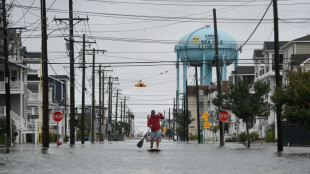
 Death toll in South Africa bar shooting rises to 18

 Aide to Venezuelan opposition leader returns from exile

 Messi and Alcaraz love it, now padel takes step closer to Olympics

 Tolls mount in Thailand, Myanmar floods
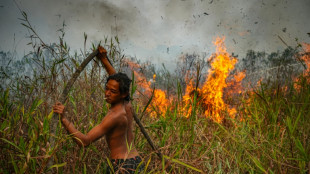
 Why India's opposition wants top poll official out

 PU Prime Strengthens UAE Momentum with Strong Showing at Forex Expo Dubai 2026

 Eight dead in Thailand floods since mid-September

 Oil prices spike after Trump rejects Iran truce offer

 Taylor Swift sets new record at MTV VMAs
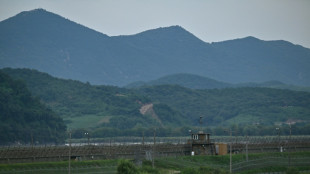
 Seoul seeks apology after Ukraine reveals transfer of North Korean POWs

 Messi on target again but Miami downed by Columbus

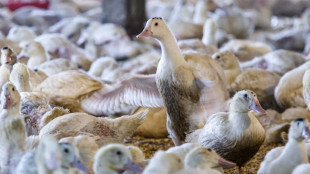 In Washington's political cauldron, a fight over foie gras

 Flavio Bolsonaro: political heir in his father's shadow

 Ravens grab last-second win in Rio as Commanders stop Seahawks

 USA rallies to capture 11th consecutive Presidents Cup

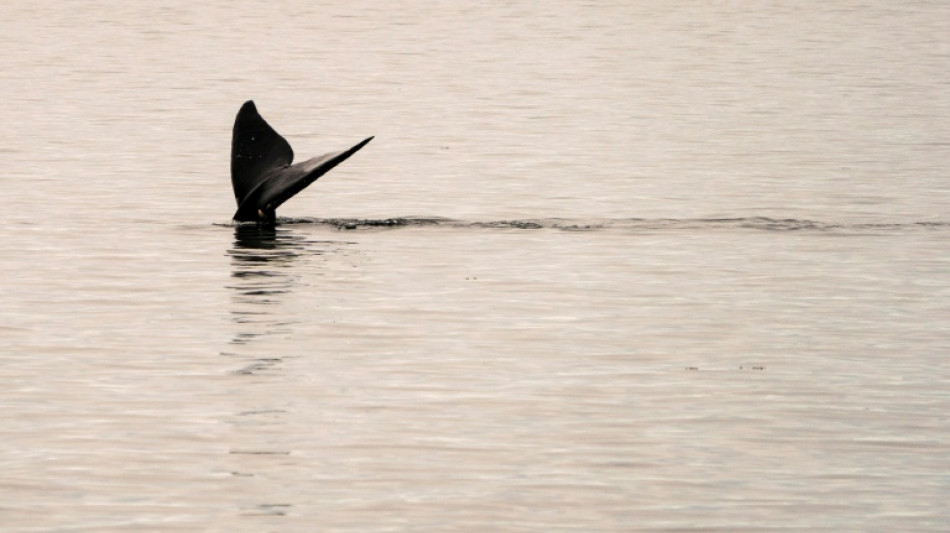
Biodiversity in Canada has plunged 10 percent over the last half century, with hundreds of species facing extinction, the World Wildlife Fund (WWF) said in a report Monday.
"On average, every species group included — birds, fish, mammals, and reptiles and amphibians — is trending in the wrong direction," the WWF said in a statement as it released the 2025 Living Planet report for Canada.
While certain populations, like sea otters, are improving, the conservation group said 52 percent of all species studied for this year's Canada report are declining, including the rare snow owl.
"This is the most severe decline we've observed since reporting started," WWF Vice President for Canada, James Snider, wrote.
WWF said that between 1970 and 2022, biodiversity in Canada had decreased by 10 percent.
Species globally assessed as at-risk of extinction in Canada, such as the North Atlantic right whale and leatherback sea turtle, declined by 43 percent, according to the report.
Regions such as the boreal forest with lower levels of human presence saw smaller decreases, while habitats in Canada's grasslands declined 62 percent.
Last year, WWF reported a global wildlife population decline of 73 percent since 1970.
Conservation expert Jessica Curie, who worked on the report, told AFP that habitat reduction -- largely because of agricultural expansion -- "is one of the main drivers of biodiversity loss."
The report notes Canada's economic reliance on its vast natural resources, but says conservation needs to be front-of-mind in management of industrial or infrastructure projects.
One successful example she pointed to was projects reducing shipping noise to protect whale populations off Canada's west coast.
WWF noted that actions to reverse population loss were already laid out in Global Biodiversity Framework (GBF) agreement signed in 2022 at COP 15 in Montreal.
Canada aims to meet those targets by protecting 30 percent of its lands and oceans and restoring 30 percent of degraded lands by 2030.
Z.Ramadan--SF-PST