Fishy business caught by fraying India-Bangladesh ties / Photo: Dibyangshu SARKAR - AFP

 Tokyo suffers longest streak of rainy days on record

 Indonesia charges train driver over crash that killed 16 women
 تدمير البيوت التراثية يهدد الذاكرة السياسية والعمرانية لجنوب لبنان

 أحمد اليوسف يوضح ملابسات تصريح أعمار لاعبي منتخب الكويت
 السعودية تواجه العراق في قمة خليجية لحسم العلامة الكاملة

 العراق يستضيف خليجي 28 وبغداد والبصرة تتسابقان على تنظيم المباريات

 وليد الدغسني يحول فضاء «البروفة» إلى مختبر بصري للحياة

 رجا بهلول يبحث العلاقة المتبادلة بين الثقافة السياسية ونظام الحكم

 حريق منزلين فلسطينيين في هجوم لمستوطنين على جالود جنوب نابلس
 Sabalenka 'fresh' for first tournament since losing No.1 spot
 Myanmar airstrike death toll rises to 50: aid workers
 North Korean DMZ landmine blast 'violation of armistice'
 South Korea volleyball team latest to be bussed to wrong Games venue

 Malaysia starts sending Myanmar migrants home

 8.3 mn refugees at risk due to 'severe' funding cuts: UN
 Stocks drop and oil rises as Hormuz hopes fade
 OpenAI cancels release of newest model due to safety concerns

 AI bosses head to White House as safety pressure builds

 Batista sacked as Costa Rica coach after six months
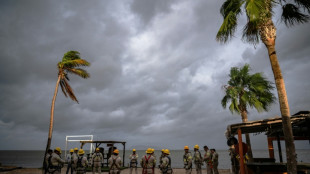 Flooding, power cuts and evacuations as Hurricane Polo slams Mexico

 NFL Giants obtain QB McCarthy from Vikings

 Deal for evicted Spanish pensioner as PM seeks new housing law

 Clippers apologize, warn fans of 'challenges' after Leonard scandal

 Turkish comedian convicted for Erdogan 'insult' freed pending appeal

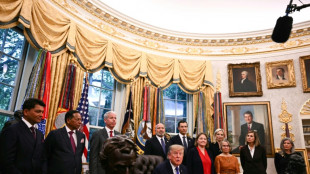 Trump announces 'biggest' US steel plant in battleground Iowa

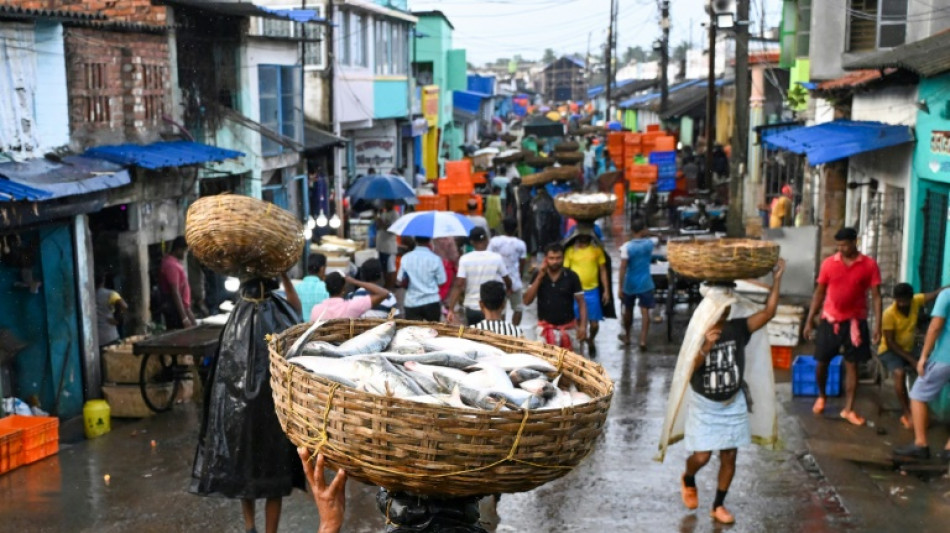
Shimmering piles of silver fish are snapped up for exorbitant prices in India's port of Kolkata, the unlikely side effect of a diplomatic fallout after a student-led revolution in neighbouring Bangladesh.
Demand is so high for the herring-like hilsa -- the national fish of Bangladesh and a much-loved delicacy in India's adjoining West Bengal state -- that Dhaka this year banned exports.
The decision follows a festering diplomatic dispute between Dhaka and New Delhi, after Bangladesh's autocratic leader Sheikh Hasina was ousted in August and escaped by helicopter to old ally India.
"You have to taste it to know why it is so in demand," said Kolkata fishmonger Mohammed Zeeshan.
As long as a forearm, the saltwater fish is commonly steamed, fried in fragrant mustard oil, or steeped in spicy curry sauce.
"I cannot describe it in words", 29-year-old Zeeshan added, beaming a wide smile.
Fans say its white flesh is not only delicious and nutritious.
It is also an integral part of religious festivals, especially during Hindu celebrations for the goddess Durga, which this year falls in October.
Its near-sacred status has inspired art, poetry and literature.
When the "hilsa season" of fishing begins, Kolkata's newspapers hail the "queen of fishes" and carry photographs of the first catch.
- 'Diplomacy on ice' -
Indian fishing fleets trawl the brackish waters of the River Ganges, feeding rampant demand in the megacity of Kolkata and the wider state of West Bengal, with a population of more than 100 million people.
But major overfishing means stocks fall far short. Traders previously turned to Bangladesh to fill the shortfall.
Much of Bangladesh comprises deltas, where the Ganges and the Brahmaputra wind towards the sea after coursing through India.
Many millions also depend on the fish in Bangladesh.
Environmental experts say fish stocks have also been hit by changes to the ecologically sensitive and low-lying deltas, threatened by rising seas driven by climate change.
Dhaka's authorities have imposed fishing restrictions to ensure the sustainability of stocks, and keep prices low for its 170 million people.
Bangladesh had tightly restricted exports in previous years.
But Hasina also pursued a soft-power strategy, allowing several thousand tonnes to be exported ahead of Kolkata's main religious holiday, the weeklong Durga Puja celebrations.
Hasina herself would gift hilsa on trips to India. But her fishy diplomacy ended with her dramatic downfall on August 5.
Her government was accused of widespread human rights abuses, and the interim administration now running Bangladesh wants her extradited.
Dhaka belatedly announced a partial lift of the ban on Saturday to allow the export of 3,000 tonnes of hilsa for the Durga Puja festival.
That is nearly 1,000 tonnes less than what was permitted for import by India last year, and the official trade is not expected to resume until later in the month.
- 'Only the rich' -
Already costly, prices have surged by a third since Hasina was ousted.
Fish sells for as much as 1,800 rupees ($21.45) a kilogramme, compared to around 1,300 rupees ($15.50) last year.
It is a princely sum, about what a labourer could earn in around two days.
"The ban has had a huge impact on business," said Zeeshan, the fishmonger. "Supply is less, and the price has gone up."
Celebrating Durga Puja and a hilsa dish go together for many Kolkata residents.
This year, many are priced out.
"Only the rich will be able to afford it," added Zeeshan. "Where will the poor go?"
At India's Namkhana port, 52-year-old fisherman Anath Das said costs meant "people will face problems".
Das said it was better to sell his catch than keep and eat some himself.
India's West Bengal fish importers association wrote a letter to Dhaka appealing for the resumption of trade, saying hilsa is in "great demand amongst the connoisseurs of fish".
Some hilsa is slipping through the net across the border.
But that is being sent by road and air -- rather than via Bangladeshi boats landing their catch at Indian ports -- and the fish spoils easily.
India's border force has stopped "multiple attempts" by fish smugglers bringing hilsa in small boats on backwater routes.
Yet across the border in Bangladesh, prices are still high because catches are low.
The fish costs up to 2,200 taka ($18.40) a kilogramme in Dhaka's Kawran Bazar.
"The quantity has declined," said fish seller Mofiz Rana, 40. "But if it was exported to India this year, then the price would have gone up even more."
Y.AlMasri--SF-PST