
-
 مصطفى معروفي ينشر قصيدة 'أصوغ كلامي أهتدي بتجاربي'
-
South Africa Places 36 Hospitals on Standby for Possible Imported Ebola Cases

-
 Luxembourg Pay Rise Delayed as Regional and World Headlines Develop
-
Two A1 Crashes Create Kilometres of Rush-Hour Congestion

-
 Audience to Choose the Set List at Luxembourg's First FAMIL Jukebox Night
-
Luxembourg City Plans €13 Million Abrigado Centre for 2029

-
 Black Friday Discounts Cut Prices on Two Top-Rated Wiper Blades
-
Luxembourg Housing Petition Passes Threshold for Parliamentary Consideration

-
 Twickenham Grounds Team Prepares Pitch for Six Matches in Three Days
-
Raheem Sterling Receives Suspended Sentence After Lamborghini Crash

-
 مواجهة في البرازيل بين نشطاء وفلسطينيين وسياح إسرائيليين حول جدارية مؤيدة
-
Tamil Nadu Secures Rs 58,214 Crore in Investments at Vettri Conclave

-
 رئيس جامعة القدس يستعرض نموذج الشراكة بين التعليم العالي والصناعة في قمة QS بأبوظبي
-
فرنسا تدعو لتجريم "الفصل العنصري القائم على الجنس" دولياً

-
 ابتكارات فلسطينية في مسابقة "سيف" العالمية بالرياض
-
أزمة الصواريخ الاعتراضية في البنتاغون: استنزاف المخزونات يفرض تعبئة صناعية حتى 2030

-
 تحذير أمني من تكثيف إسرائيل إرسال رسائل نصية مستهدفة للفلسطينيين
-
Huawei Found Guilty of Trade Secret Theft in Landmark US Case

-
 Polanski Accuses Sadiq Khan of Undermining Thames Water Nationalisation
-
Indian Markets Set for Gain as Foreign Inflows Offset Tariff Fears

-
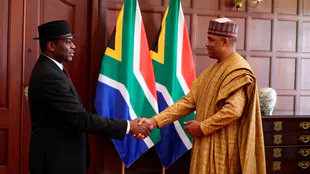 Nigeria Envoy's $61 Billion Claim Faces Scrutiny Amid Diplomatic Tensions
OPEC+ agrees oil output cut to prop up prices
The OPEC+ oil cartel agreed Monday to cut production for the first time in more than a year as it seeks to lift prices that have tumbled due to recession fears.
The move could irk the United States as it has pressed the group to increase output in order to bring down energy prices that have fuelled decades-high inflation.
OPEC+, a 23-nation coalition led by Saudi Arabia and Russia, had agreed to huge cuts in output in 2020 when the Covid pandemic sent oil prices crashing, but it began to increase production modestly again last year as the market improved.
Oil prices soared to almost $140 a barrel in March after Russia invaded Ukraine.
But they have since receded below $100 per barrel amid recession fears, Covid lockdowns in major consumer China and Iran nuclear talks that could bring Iranian crude back into the market.
While analysts had expected another modest increase at Monday's ministerial meeting, OPEC+ said in a statement that it decided to reduce output by 100,000 barrels per day in October, returning to the production level of August.
"An output cut won't make them any friends at a time when the world is facing a cost-of-living crisis already and the group has failed to keep up with demand this year," Craig Erlam, analyst at OANDA trading platform, warned prior to the OPEC+ announcement.
Oil prices rose by more than three percent following the announcement, with the international benchmark, Brent, exceeding $96 per barrel while the US contract, WTI, reached almost $90.
At its last meeting, OPEC+ agreed to a small rise of 100,000 barrels per day for September after US President Joe Biden travelled to Saudi Arabia to plead for a production bump -- although it was six times lower than its previous decisions.
Energy Minister Abdulaziz bin Salman last month had appeared to open the door to the idea of cutting output, which has since received the support of several member states and the cartel's joint technical committee.
He said "volatility and thin liquidity send erroneous signals to markets at times when clarity is most needed".
- Iran talks -
Caroline Bain, commodities expert at Capital Economics, said the cut was not a total surprise a "little more than symbolic" as OPEC+ has struggled to meet its quotas due to lacklustre production in some of its member countries.
"The bigger picture is that OPEC+ is producing well below its output target and this looks unlikely to change given that Angola and Nigeria, in particular, appear unable to return to pre-pandemic levels of production," Bain said.
In efforts to curb rising oil prices, the United States and its allies have released crude from their emergency reserves.
And in a bid to curb Russia's war funding, the G7 group of industrialised powers agreed Friday to move "urgently" towards capping the price of Russian oil.
Moscow has warned that it will no longer sell oil to countries that adopt the unprecedented mechanism.
Another geopolitical issue is clouding the outlook.
Negotiations aimed at reviving a landmark nuclear deal between Tehran and world powers could lead to an easing of oil sanctions in return for curbs to the atomic activities.
However, Washington said Thursday that Tehran's latest response to a European Union draft was "unfortunately... not constructive".
K.AbuDahab--SF-PST

