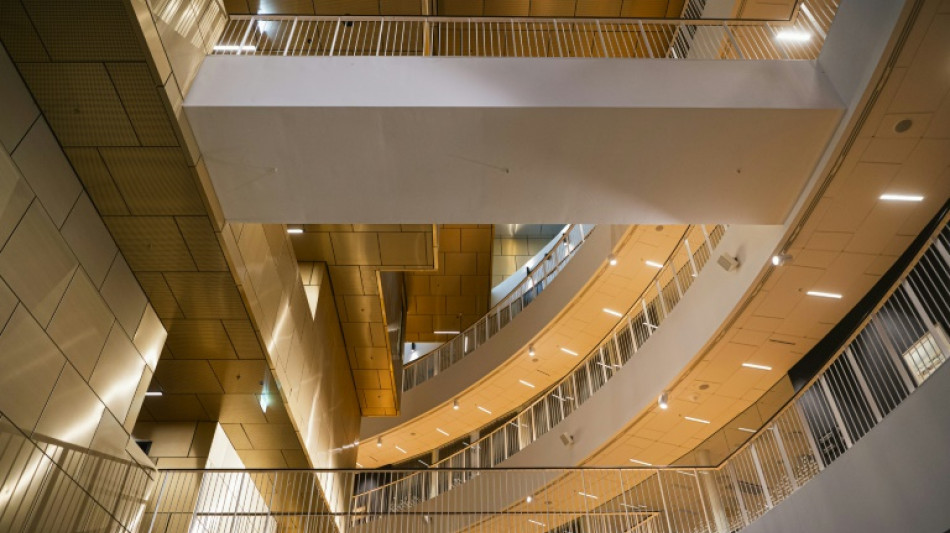
Moving house: Arctic mining town's move divides residents / Photo: Jonathan NACKSTRAND - AFP

 Brazil chooses between Lula and Bolsonaro in nail-biter vote

 Doha opens ninth World Investment Forum focused on future investment
 Kuwait public works minister and UK ambassador discuss closer cooperation

 Historic Ramallah olive press joins modern production with local tradition

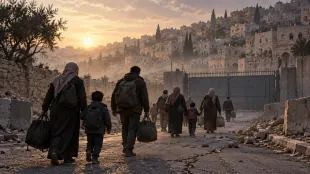 Hebron operation forces 373 Palestinian families from their homes
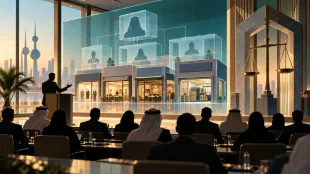 Kuwait legal department reviews new commercial concealment law

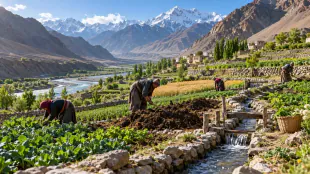 Ladakh declared India’s first fully organic union territory
 IRDAI gives stakeholders until October 31 to comment on distribution reforms

 Bay cyclone forecast to strike Andhra-Yanam coast at very severe strength

 Technical outlook diverges for Bharti Airtel, PFC, REC and Alkyl Amines
 J&K Bank raises accident cover for government employees to ₹1 crore

 سامسونج تدرس طرح إصدار إماراتي خاص من هاتفها القابل للطي

 شراكة إماراتية مغربية لإطلاق معرض متخصص في طب الأسنان
 نورة الكعبي تمثل رئيس الإمارات في ذكرى الثورة المجرية

 جيمي هيث.. موسيقي الجاز الذي أعاد بناء مسيرته بعد السجن

 البرازيل تصوت في جولة حاسمة بين لولا وفلافيو بولسونارو

 فرنسا تسجل أول إصابة بشرية معروفة بفيروس شاموندا
 دراسة: تناول ثمرتي كيوي قبل النوم قد يحسن جودته
 صورة هجوم نووي على تل أبيب تدخل حملة نتنياهو الانتخابية
 مهلة أخيرة للشركات الكبرى في الإمارات لاختيار مزود الفوترة الإلكترونية

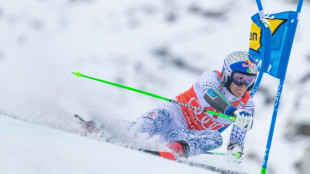 Pinheiro Braathen wins Soelden giant slalom
 Man Utd's Fernandes dropped by Carrick after Como outburst
 محللون يقرؤون دلالات هجوم حاجز فرش الهوى في الخليل
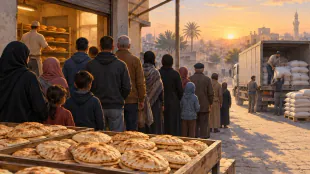
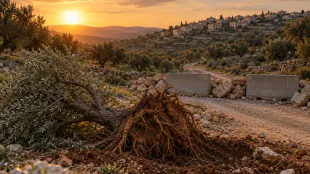 إغلاق مداخل مادما واقتلاع الزيتون يفاقمان خسائر المزارعين

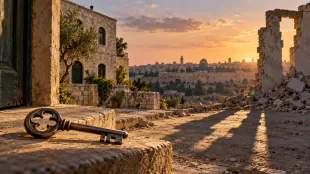 التفكجي: قيود الترخيص والهدم تضغط على الوجود الفلسطيني في القدس
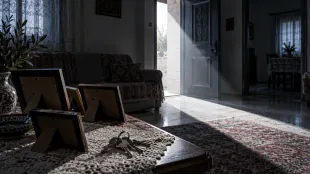
Each time he boasts about the colossal relocation of his town centre in the Swedish Arctic, Kiruna mayor Gunnar Selberg gets a dressing-down from a very dissatisfied resident: his wife.
"I tell her, 'Can you imagine? To be part of that! We're building a new city while the old one is being destroyed'," he tells AFP, as he shows off a large mock-up of the construction project in the new town hall lobby.
"She gets mad at me. She's disappointed. She thinks it's sad. She doesn't even want to see the old city. It makes her feel bad."
The town of Kiruna, home to Europe's biggest underground mine, is slowly moving its town centre three kilometres (1.8 miles) to allow the iron ore mine to expand.
As mining operations have progressed ever deeper underground over the years, the stability of the ground under the Lapland town has weakened, increasing the risk of collapse in parts.
But just like the mayor and his wife, the move has divided the town's 18,000 inhabitants.
Kiruna was founded at the beginning of the 20th century, when the LKAB mining company was established to unearth an enormous iron ore deposit, some 200 kilometres north of the Arctic Circle.
Last week LKAB announced the discovery of Europe's largest known deposit of rare earth elements, just north of the town.
- A hard sell -
Its new town centre was officially inaugurated in September 2022.
The relocation process first began 15 years ago, and is expected to continue for another 20 to 30 years -- or maybe even twice as long if the mine expands even deeper in the future.
The bill for the move, estimated at around three billion euros ($3.2 billion), is partially footed by LKAB.
The new town hall, a magnificent circular structure designed by Danish architect Henning Larsen, was the first building to be opened, in 2018.
The impressive iron clocktower that once topped the old town hall has been symbolically placed by the entrance to the new one.
Across the street, a modern hotel tower rises towards the sky while nearby cranes busily work on the construction of an indoor swimming pool.
But many, including the mayor, acknowledge that some residents are struggling to accept the new town.
"Sometimes people are inclined to think 'It's fantastic! It's such a huge project'. The operator, LKAB, always promotes the image that it's something good, that everyone is happy. But not everyone is," Selberg says.
According to the mayor, residents often complain that they're 'caught between two towns', or they 'still want to go to restaurants in the old town'.
In the old town centre, entire buildings have been emptied and are now barricaded behind high blue fences pending demolition.
About 6,000 people are being relocated to the new town centre -- a number that could rise if LKAB is authorised to mine even deeper.
- Ghost town -
Time is of the essence for Kiruna.
Cracks caused by the shifting ground have begun to appear in the town's biggest school, and its new premises are not yet ready.
And at town hall, concerns are mounting that the current hospital will become unsafe for use before the new one is ready in a few years' time.
The town's historic homes are in the process of being transported to the new town centre on special convoys.
Its iconic large red wooden church, considered one of Sweden's most beautiful buildings, is expected to make the big move in 2026.
But Mari-Louise Olsson, who sells souvenirs and indigenous Sami handicrafts in the town's oldest shop, established in 1907, is not at all interested in relocating.
LKAB, which owns the premises, gave her a few extra months to rent the space in exchange for accepting a compensation cheque of around 65,000 euros ($70,000) and a modern boutique in the new town centre.
"I'm very sad and disappointed by it all", sighs the 63-year-old shopkeeper.
"The mine is important but I wish they would show more consideration to other businesses. It's because of the mine that we're not able to stay here for years to come," she says as her daughter attends to the shop's customers.
Olsson's childhood neighbourhood was torn down last year, and her shop is one of the last still open in what is slowly becoming a ghost town.
"Who can put a price tag on an individual history? It can never be compensated for with money.
"It's also the feeling we have here, in this shop. No-one took care of this history, even though it actually exists".
U.AlSharif--SF-PST