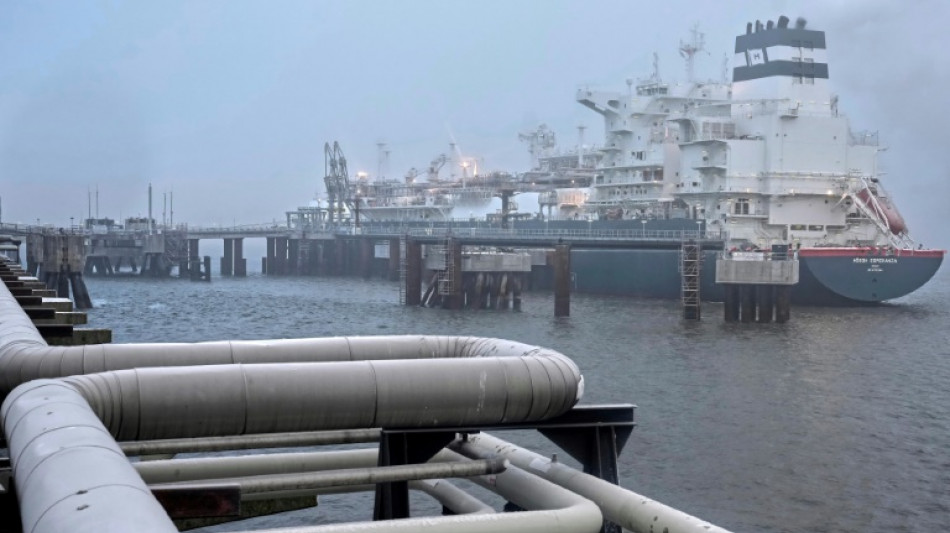
German economy weathering hard winter but risks loom / Photo: Michael Sohn - POOL/AFP

 Monaco hold Lille as both move to top of Ligue 1

 Isak extends hot streak as Liverpool sink Brighton

 Brazil chooses between Lula and Bolsonaro in nail-biter vote

 Doha opens ninth World Investment Forum focused on future investment

 Kuwait public works minister and UK ambassador discuss closer cooperation

 Historic Ramallah olive press joins modern production with local tradition

 Hebron operation forces 373 Palestinian families from their homes

 Chicago Fire rally past Atlanta United 3-2 to hold fourth place

 Credit-card shortcuts can turn impulse spending into lasting debt
 Insurance deductibles and no-claim bonuses require a careful claims decision

 Poland’s WB Group plans $100 million India investment for drone production

 John Catlin wins Hong Kong Open and secures first Masters invitation

 KIB Group nine-month profit rises 30% to KD 26.6 million

 شركات عائلية من دبي تدرس تجارب هونغ كونغ في الحوكمة وانتقال الثروة

 تحالف إماراتي أفريقي يدرس مشاريع الطاقة والتعدين والبنية التحتية

 كأس الإمارات للناشئين يعزز مسار اكتشاف مواهب الغولف

 نازحو مخيم الإسراء في غزة يواجهون نقص الغذاء وتراجع المساعدات

 فيديو انتخابي لبن غفير من سجن عوفر يثير انتقادات

 هيئة حقوقية تحذر من تهجير وهدم واسع في الخليل

 الأمير علي ينتقد دعم الاتحاد الآسيوي لإنفانتينو ويطالب بالشفافية

 أربع ملفات قد تتغير إذا سيطر الديمقراطيون على الكونغرس الأميركي

 حرية التنقل تعيد ملف علاقة بريطانيا بالاتحاد الأوروبي إلى الواجهة

 Pinheiro Braathen wins Soelden giant slalom
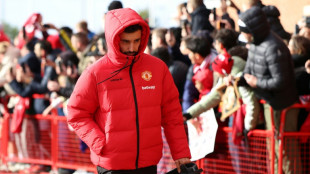 Man Utd's Fernandes dropped by Carrick after Como outburst

 التفكجي: قيود الترخيص والهدم تضغط على الوجود الفلسطيني في القدس

The surge in energy prices that followed Russia's invasion of Ukraine has pushed Germany to the brink of a recession, but the economic pain appears to be less severe than originally feared.
German statistics authority Destatis will publish GDP figures for the last three months of 2022 at 10:00 am (0900 GMT) on Friday, with analysts expecting any contraction to remain limited after the unexpected growth of 0.4 percent in the third quarter.
"The German economy was or is more resilient than was maybe feared in the autumn," said Jan-Christopher Scherer, economist at the DIW think tank in Berlin.
"There will not be a deep recession," Scherer told AFP.
The soaring cost of gas and electricity has stoked inflation and weighed on industry and consumers in Europe's largest economy.
But substantial government interventions and a mild European winter have cushioned the blow and allayed fears of a major downturn.
"In the areas where production is particularly energy intensive, we saw very sharp declines last year," said Michael Groemling, head of macroeconomic research at the IW Cologne institute.
But the outlook was "much better overall in December than it was in the autumn" thanks to an improved supply of energy, Groemling told AFP.
With most indicators flashing red, the government itself had forecast in October that the economy would shrink 0.4 percent over the whole of this year.
But efforts to build up gas reserves in preparation for the winter have allowed Germany to skirt acute shortages.
A massive 200-billion-euro ($216 billion) support package announced in September to limit household energy bills and support businesses has also taken the sting out of price rises, Groemling said.
After the initial shock of seeing prices shoot up, consumers largely came to terms with higher prices while industry found "innovative" ways to save energy, Scherer added.
Costs were nonetheless markedly higher than in recent years, a "burdensome factor" for industry, he said.
- 'Losing out?' -
Some analysts warn the reprieve may prove temporary given significant risks that lie ahead.
Germany will likely be unable to dodge a recession -- two consecutive quarters in which the economy shrinks -- a prospect that was likely around the turn of the year, said Oliver Holtemoeller, deputy chief of the economic think tank IWH.
"The coming months will be difficult," he said, noting that the sharp increase in energy prices as Russia throttled gas supplies to Germany had pushed inflation to a peak of 10.4 percent in October last year.
Such a rapid increase in consumer prices -- a pace not seen in decades -- would not leave Europe's largest economy "unaffected", Holtemoeller said.
The German auto industry association VDA has warned about the long-term consequences of higher energy prices for the flagship sector.
"Industry is the engine of Germany's prosperity and that engine needs energy," VDA president Hildegard Mueller said Wednesday.
Germany risks "permanently losing out" if it does not find a way to supply industry with affordable energy, she said.
Despite apparent robustness, "industrial production is still some four percent below its pre-pandemic level" of 2019, said Carsten Brzeski, head of macroeconomics at ING.
Drops in new orders, persistent high energy costs and China's shaky exit from its strict zero-Covid restrictions "all bode ill for the short-term outlook", Brzeski said.
"The former growth engine of the German economy is stuttering and improvement is not really in sight," he said.
Q.Bulbul--SF-PST