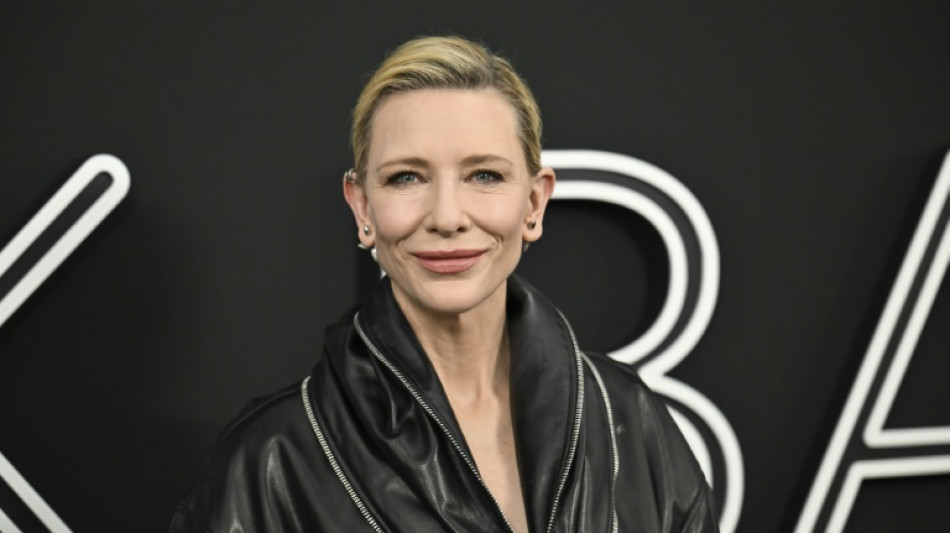
Hollywood urges Trump to protect film, TV from AI / Photo: ANGELA WEISS - AFP/File

 Ms. Rachel Says Celebrity Silence on Gaza Is 'F--ked Up' and Drives Her to Swear
 Maryland Regulators and Air Force Clash Over Jet Fuel Spill Cleanup and Golf Course Exemption

 Bishop Museum Races to Save Rare Megamouth Shark Specimen

 Musk Questions AI Development Viability as SpaceX Leasing Revenue Surges

 مصطفى معروفي ينشر قصيدة 'أصوغ كلامي أهتدي بتجاربي'

 Luxembourg Housing Petition Passes Threshold for Parliamentary Consideration

 Raheem Sterling Receives Suspended Sentence After Lamborghini Crash

 Audience to Choose the Set List at Luxembourg's First FAMIL Jukebox Night

 Luxembourg Pay Rise Delayed as Regional and World Headlines Develop

 مواجهة في البرازيل بين نشطاء وفلسطينيين وسياح إسرائيليين حول جدارية مؤيدة

 رئيس جامعة القدس يستعرض نموذج الشراكة بين التعليم العالي والصناعة في قمة QS بأبوظبي
Hundreds of Hollywood stars including Ben Stiller, Cate Blanchett and Cynthia Erivo have urged Donald Trump's White House to protect film, TV and music copyrights against big tech and artificial intelligence.
The open letter -- signed by over 400 actors, directors and artists -- hits back against tech giants like Google and OpenAI, who say their AI models must be allowed to train on a vast range of copyrighted work or risk being left behind by Chinese rivals.
But "weakening copyright protections" and allowing tech giants to "exploit America's creative and knowledge industries" would threaten "the world's most vibrant creative economy," says the Hollywood letter.
The US entertainment industry supports over 2.3 million jobs that generate some $230 billion in annual wages, as well as "providing the foundation for American democratic influence and soft power abroad," it says.
The intervention comes after Trump in January signed an executive order committing to remove "unnecessary government control" of AI and boost "America's global AI dominance."
The White House invited companies and other interested parties to submit suggestions.
Google and OpenAI said they must be allowed to train their AI models on the widest possible range of copyrighted content, warning that rival countries could otherwise gain a dangerous advantage.
If Chinese developers "have unfettered access to data and American companies are left without fair use access, the race for AI is effectively over," wrote OpenAI, noting China's rapid progress with models like DeepSeek.
The Hollywood counter-letter was first sent to the White House Office of Science and Technology Policy last week. Organizers said they are continuing to gather signatures.
AI has become an existential concern in Hollywood, where studios and producers are keen to explore its cost-cutting potential, but many creatives fear that its use could destroy jobs and damage the quality of content.
Artificial intelligence was a central issue in the strikes that in 2023 brought the US entertainment industry to an expensive, months-long halt.
Writers and actors eventually agreed deals with studios including strict AI protections, requiring consent and compensation if AI models train on writers' movie scripts, or build computer-generated characters using actors' likenesses.
But the issue has returned to the fore with Trump's election and the ever-increasing grip of major tech companies on Hollywood, and the US economy more broadly.
"Make no mistake: this issue goes well beyond the entertainment industry, as the right to train AI on all copyright-protected content impacts all of America's knowledge industries," says the letter.
V.Said--SF-PST

