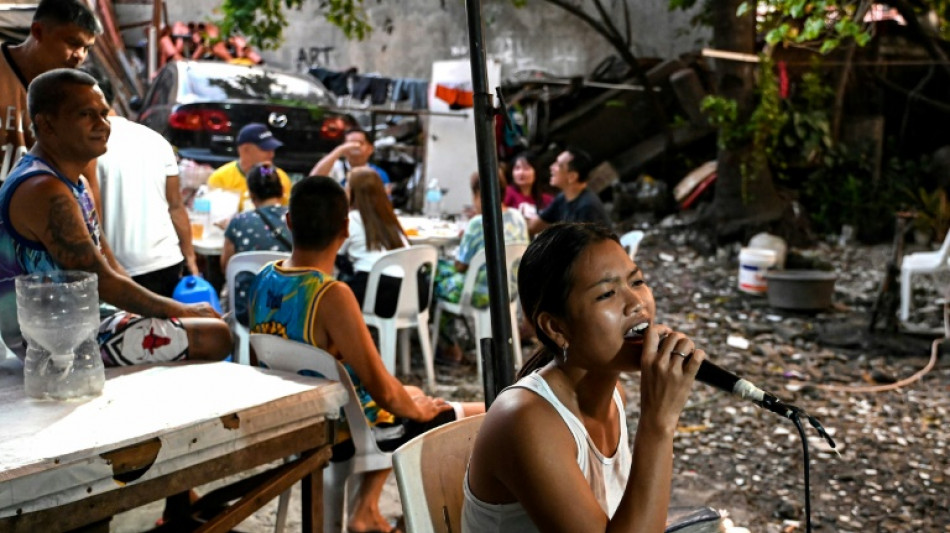
'We love singing': Filipinos find joy in karaoke / Photo: JAM STA ROSA - AFP

 Marseille snap losing skid with win at Troyes
 Lula stages mass rally ahead of Brazil's presidential run-off

 Poland holds suspect in alleged assassination plot against PM Tusk
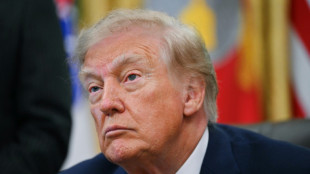 Russia hits Ukraine power plants despite Trump energy ceasefire claim

 Isco's Betis rise back above Real Madrid to third

 Haaland vows troubled Man City will 'stick together' after beating Liverpool
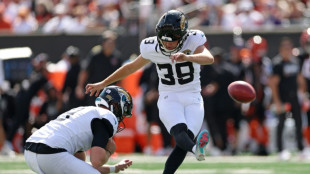
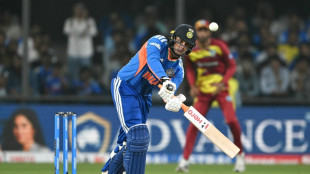 Abhishek, Arshdeep guide India to T20 win over West Indies

 'Other Mommy' scares up N. American box office win

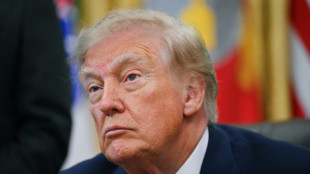 Zelensky surprised, Moscow mum as Trump announces energy ceasefire

 Ready Player 1: Paris to host 2027 edition of EVO combat video games event
 Bill Gates warns cyberattacks most imminent AI threat
 Lazio join Inter at top of Serie A as Roma held at Como
 Trump says Russia and Ukraine agree to 'energy ceasefire'

 Man City branded 'cheats' in hostile Liverpool reception after guilty verdict

 Smith breaks fielding record as Australia take control of 1st Test

 Smith breaks fielding record as Australia take first innings lead

 Saints win south coast derby after Eckert's suspended 'Spygate' ban

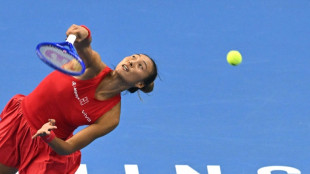 Zheng beats Andreeva to become first home player to win China Open

 Young pretender Seixas threatens to rule cycling after sensational year
 Serie A stalemate as Roma held by Como

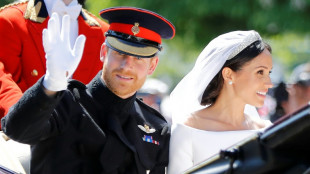 Prince Harry, Meghan to carry out first joint engagement since UK return: reports
 Last Ceuta migrant camp removed ahead of Spanish king's visit
 Ukraine to stop refinery strikes when Russia curbs energy attacks: Zelensky
 Pakistan imposes emergency rule in Imran Khan's provincial stronghold
 Manchester City brace for hostile Liverpool reception after guilty verdict

At a busy tricycle terminal in Manila, driver Edgar Soriano slips a coin into a karaoke machine and belts out his favourite song while waiting for passengers.
Karaoke is wildly popular in the archipelago nation where it's never too early -- or too late -- to grab a microphone and sing a tune.
Machines can be found everywhere from cheap bars in far-flung villages to modern KTV joints in the cities, and many families have their own or rent one for parties.
For as little as five pesos (nine US cents) a song, many in the poverty-afflicted country can experience a few minutes of joy in the day.
Soriano, 53, smiles as he stands in a tiny eatery on a hot weekday afternoon singing the lyrics of British musician Albert Hammond's "When I'm Gone", which he seems to know by heart.
The karaoke machine is one of six at the terminal, but drivers and passengers waiting for a ride appear unbothered by the competing songs reverberating through speakers.
"I always sing that song, it's my favourite," said Soriano, wearing a long-sleeved Jordan top and tracksuit pants.
After consulting a well-thumbed plastic folder of songs, street sweeper Bernardo Aguire, 67, settles on Frank Sinatra's "My Way", and pops a coin into the slot.
It is a bold choice in a country where the song has reportedly gotten people killed -- allegedly because they sang it poorly.
Aguire, unfazed by the stories that have become an urban legend, finishes his rendition unscathed.
Felomina Hernane, 52, owns the eatery where the karaoke machine cranks up at 8:00 am and doesn't stop until 10:00 pm or later, seven days a week.
She bought the machine to attract customers and it's been a boon to earnings, bringing in as much as 18,000 pesos a month.
"It's a huge help for my business," Hernane told AFP.
Hernane said singing makes the drivers happy.
"It entertains them," she said.
"It's a way to relax after driving."
- 'It takes away my stress' -
In a crowded neighbourhood in Manila, tricycles deliver karaoke machine casings to stores where they are fitted with speakers, amplifiers and televisions.
Their prices depend on the quality of the electronics inside them, with a basic machine starting at around 19,000 pesos and a premium version topping 46,000 pesos.
Alfred Condez works at a store overflowing with machines in various stages of assembly. It takes several hours for employees to finish wiring one, and customers are often happy to wait.
"We love singing," said Condez, 40.
As if to prove his point, he picks up a microphone and stands on the footpath to test an assembled machine's sound quality, his deep voice echoing into the noisy street.
The busiest period for the karaoke assembly business is November and December, when Filipinos hold Christmas and New Year parties, said Condez. His shop sells as many as 10 machines a day in those months.
Karaoke took off in the Philippines in the 1980s, said Krina Cayabyab, a vocal instructor and associate professor in the University of the Philippines' music department.
But she said the country's love of singing was deeply rooted in its colonial past, starting with the Spanish and then the Americans, whose music was absorbed by Filipinos.
"It's really tied into that reproducing and borrowing of stuff that Filipinos would hear," Cayabyab said.
Singing is one of the few affordable entertainment options for many Filipinos.
In a hardscrabble district of Manila, children and young adults gather outside a small store where the karaoke machine is in high demand.
"My friends and I are just hanging out because it's boring at home," said Honey Servito, 24.
"I'm not really a singer, it's just that when we have nothing better to do at home, my friends and I go here and sing," she said.
"It takes away my stress and boredom."
Y.Zaher--SF-PST