
Gravity-defying: revamping an Inca rope suspension bridge / Photo: Christian SIERRA - AFP

 د. خالد الفقيه يطالب بنظام شرائح تصاعدي لصرف الرواتب لتحقيق العدالة الاجتماعية

 Wynn Al Marjan Island Attracts 280,000 Job Applicants Ahead of September 2027 Opening

 Maher and Morgan Argue Trump and Obama Show More Common Sense Than Critics Admit

 Malta-registered tanker sinks off Ibiza, killing one crew member

 Motorcyclist injured in single-vehicle crash in Pietà

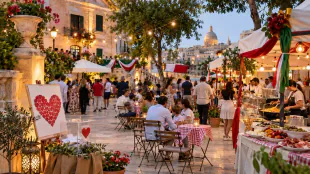 Italian Village event in Malta raises funds for Puttinu Cares

 Malta launches second national AI strategy with 86 measures

 Tata Trusts challenge Chandrasekaran reappointment in Bombay High Court
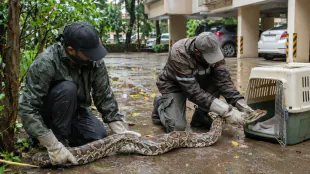
 Project Angel Food serves 22 millionth meal as Los Angeles campus expands

 Four injured after Iranian drone attack targets site in Kuwait

 Readers Debate The Witcher 4's Anticipation, GTA 6 Features, and Zelda Remake

 Jennifer Barreto wins Miss Universe 2026 in Puerto Rico

 Milky Way and Brazilian lagoon form eye-like image in NASA feature

 Japan Reaffirms Defense Cooperation with Kuwait Amid Global Security Challenges

 Breytenbach confirms recommending Sibiya for Johannesburg post

 رئيس الوزراء الهولندي يتين: تعثر مفاوضات ميزانية الاتحاد الأوروبي في بروكسل

 Celebrities mark Thanksgiving in turkey-themed photo gallery

 German fashion model Veruschka dies in Berlin at 87

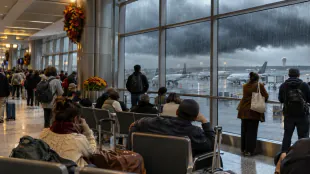 Thanksgiving storms disrupt thousands of US flights

 T.J. Lang criticises Aaron Rodgers over comments about Mike McCarthy

 Biography details Johnny Depp’s efforts to leave 21 Jump Street

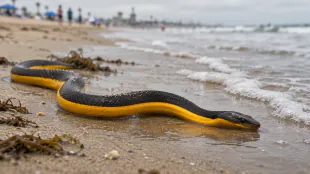 Rare yellow-bellied sea snake found on Southern California beach

 Toyota Innova Hycross and Kia Sorento hybrids compared in top trims

 Gypsy Rose Blanchard Denies Dating Rumors Following Ken Urker's Death

 صعود اليمين في الأندلس يهدد معاقل اليسار التاريخية

Dangling over a vertiginous gorge, the Apurimac River flowing around 10 stories below, Indigenous Peruvians show no fear as they repair a centuries-old Inca rope suspension bridge -- the world's last.
Every June, members of the Quechua Indigenous group come together to braid thick ropes made from a type of Andean straw, then brave the chasm without harnesses to replace worn parts of the Q'eswachaka bridge.
It is a ritual that connects communities to one another but also to their ancestors, according to Quechua belief.
"It is a matter of pride for us to (renovate) this bridge," Braulio Huilca, a 34-year-old student told AFP of his role in the annual rite.
Inscribed on UNESCO's list of Intangible Cultural Heritage 10 years ago, the bridge has become a key tourist attraction and source of income in the Peruvian region of Cusco -- also home to the Inca citadel of Machu Picchu.
"If we abandon this, the tradition would be lost, and there would... be no income," said Felipe Hanampa Huamani, 40.
- Jealous mermaids -
The bridge, made of fibers obtained from q'oya, a straw-like plant, was first built about 600 years ago.
Nearly 30 meters (100 feet) long and 1.2 meters wide, it hangs over a gorge around 28 meters deep.
For several weeks every year, residents of four towns in the province of Canas gather and prepare straw for rope-making.
With sickles, women in multi-colored skirts cut the q'oya and gather it in bundles that are soaked in a well and then crushed with stone.
They then braid the ropes, sitting in groups on the side of a dusty road.
Within hours, they have made thick ropes that men carry on their shoulders along winding paths and steep steps up to the bridge.
"If we don't renew it, (god) punishes us. We could have an accident or something could happen to us," said 54-year-old Emperatriz Arizapana Huayhua, a small-scale farmer in the region involved in rope production.
Crucial in the initial phases of the operation, women are not allowed to take part in the final steps: according to local beliefs, the mermaids of the river are jealous.
- Animal sacrifice -
To guarantee that "no accident happens during the reconstruction," a shaman sacrifices a lamb to the gods as part of the ritual.
As men in "chullos" -- colorful woollen caps with earmuffs -- tear down the old structure, worn and blackened braids plummet into the Apurimac river.
The hanging bridge has several thick ropes that serve as a platform, with two more for holding on on either side.
The replacement of the old ropes takes three days. Some of the workers chew coca leaves for energy.
There is a narrow metal bridge next to the rope structure that communities also use for trade and transport.
The work is finished when the two groups working from either side of the gorge meet in the middle.
Cries of "Haylly Q'eswachaka!" are heard in Quechua, signalling that the time has come for the celebratory festival.
Next year, they will do it all over again.
D.AbuRida--SF-PST