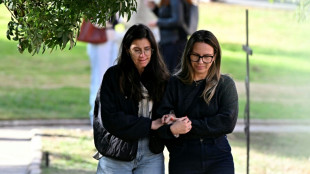
New York's Muslims reclaim their city after 9/11 backlash / Photo: CHARLY TRIBALLEAU - AFP

 Chelsea manager Alonso dismisses talk of Estevao loan deal

 Thousands of students, workers hold peaceful protests in Italy

 Iraola glad to raise Liverpool fans' hopes but says hard work ahead

 Pope Leo makes history with US midterm vote
 Arsenal boss Arteta fires 'Disneyland' warning at Dowman after Fleetwood red card

 Russia's ice hockey stars come in from the cold after CAS ruling
 Wall Street tech rout deepens on doubts over AI spending
 'Life in the old dog': German economy grows more than expected
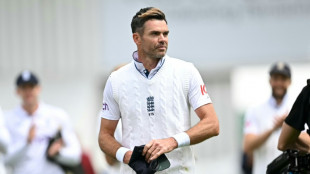 England great Anderson asks what's 'wrong with me?' after Lancashire exit
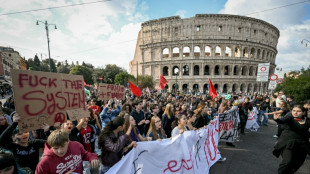
 Markets lashed by tech rout as earnings fan AI fears

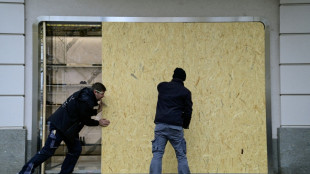 Germans to join Europe's youth protest wave
 Novaya Gazeta closure part of Russia's 'giant military campaign': Muratov to AFP

 US oil giants report profit surge again on Iran war
 Tech sell-off deepens as earnings fan AI fears
 أسرة هاني المبحوح بين فقد ابن وتعثر علاج مصابين من أبنائه

 هجمات متفرقة للمستوطنين تصيب فلسطينيين وتستهدف منازل ومزارعي زيتون
 أكثر من 1193 مستوطناً دخلوا المسجد الأقصى خلال أسبوع
 الدفاعات السعودية تدمر أربعة صواريخ أطلقها الحوثيون
 غريزليز يهزم بليزرز ويحافظ على انطلاقته الكاملة في دوري السلة الأميركي
 إرشادات بريطانية للجنود تشمل راحة من الشاشات ورسائل بالإيموجي
 إضرابات في أكثر من 100 ميناء احتجاجاً على شحن الأسلحة
 Carmaker Audi cuts outlook again on China, US woes
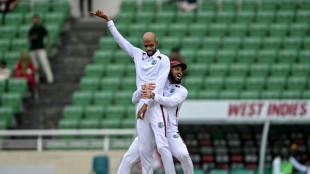 Chase sparks Bangladesh collapse as West Indies on top in Mirpur
 BP net profit quadruples as Mideast war lifts oil prices
 Kulusevski says 'nervous system changes' behind Spurs return
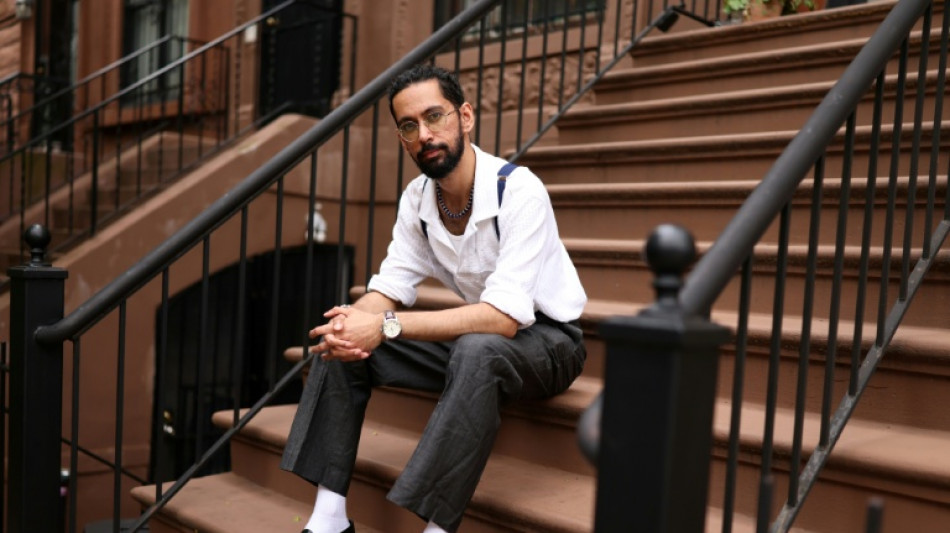
Asad Dandia was eight when he watched the September 11, 2001 attacks on television at his Pakistani-immigrant parents' home in New York.
Then came the backlash -- years of Islamophobia as Americans processed attacks that had killed nearly 3,000 people.
There was anger, suspicion and worse.
At 19, Dandia experienced a police informant posing as a friend to infiltrate his family home, part of a now-disgraced surveillance effort purportedly seeking to detect Islamic extremism.
Today, though, the 33-year-old historian finds a New York transformed: one with its first Muslim mayor, public prayers in Times Square and new mosques rising across the city.
"Twenty-five years after 9/11, we mourn and we grieve what happened, and at the same time, we recognize that I am not responsible for what happened," he told AFP.
"I don't deserve to be targeted for what happened, and I am as much of a New Yorker as anybody else in that respect," said Dandia, who leads walking tours centered on the city's Muslim communities.
Islamophobia surged in the United States after the 2001 attacks in which militants hijacked airliners and flew them into Manhattan's World Trade Center and the Pentagon outside Washington. A fourth plane crashed into a Pennsylvania field after a passenger revolt.
Muslims reported increased public assaults and harassment, and some stopped wearing visual markers such as hijabs in a bid to conceal their religion.
Meanwhile, US authorities monitored Muslims by requiring thousands of men and boys to register with the government, leading to many being deported from the country.
"Everyone was in such fear," said Mohammed Razvi, a native Pakistani who founded the Council of Peoples Organization nonprofit to support Muslims in New York after 9/11.
"We had gunshots fired in our neighborhood by individuals who felt that we were responsible," he added.
Razvi said he started introducing himself as "Mo" after 9/11 to avoid the stigma he encountered when saying "Mohammad."
"Muslims trying to live the American dream were being blamed for something they had nothing to do with or even control," he said.
- 'Terrifying' -
In New York, police began surveilling hundreds of Muslims as part of their counterterrorism strategy, often targeting people without evidence of wrongdoing.
Dandia experienced this as a 19-year-old college student, when a young Bangladeshi man joined a mutual aid charity he had started.
The pair grew close: sharing meals, playing sports and even sleeping at Dandia's home. But seven months later, the man revealed that he was an NYPD informant sent to monitor Dandia and his community.
"It was heartbreaking, but it was also terrifying," he recalled. "My relationship with the world around me shifted underneath my feet."
After his ordeal, Dandia and rights groups won a landmark legal settlement that restricted the NYPD from launching similar surveillance programs and established a watchdog to monitor the force.
For Gadier Abbas, an attorney with the Council on American-Islamic Relations, the NYPD program was the prime example of the "anti-Muslim hysteria" that followed 9/11.
But today, Abbas said, "there is a lot of hope."
"You see American Muslims in every single walk of life, almost at every single level, and that's a testament to the vibrancy of the community."
- 'Power' -
New York will soon boast the largest mosque in the state -- one of more than 100 added since 2001 in New York -- while Muslims are a rising cultural and political force.
Mayor Zohran Mamdani, who took his oath of office on a Quran, has become the new face of American leftist politics.
Still, Islamophobia persists in the city where around nine percent of the population is Muslim.
In March, a far-right influencer organized a "Stop the Islamic Takeover of New York City" rally outside the mayor's residence.
Meanwhile, a conservative senator has said Mamdani should be sent to Guantanamo Bay, the US detention camp best known for holding 9/11 suspects.
Some relatives of September 11 victims have called for Mamdani -- an avid supporter of Palestinian rights -- to skip this year's 9/11 memorial, while other families have defended the mayor.
Dandia acknowledged Islamophobia had not disappeared, but he was optimistic about how far New York's Muslim community has come.
"I've seen the growth of our institutional power, but also the recognition by other New Yorkers who are not Muslim, that we are all part of this city together," he said.
"I think that's really valuable because, you know, Rome was not built overnight, and it was not built by one person or one group of people. It was built by the community."
X.AbuJaber--SF-PST