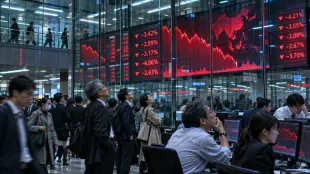
'Life in the old dog': German economy grows more than expected / Photo: Ina FASSBENDER - AFP

 Brazil Faces Debt and Inflation Test as Lula Prepares Fourth Term

 مركز "شمس" في اليوم الدولي للتسامح: التسامح لا يسقط حق الضحايا في العدالة
 Canada Expands Asian Trade Push as US Negotiations Resume

 Quebec Math-Rock Duo Angine de Poitrine Earns Four Grammy Nominations

 Italy Raises 2026 Growth View but Warns Energy Will Keep Inflation High
 شطب 130 مليون اسم من قوائم الناخبين في الهند يثير مخاوف الترحيل
 US Wholesale Inflation Eases Monthly but Hits a Four-Year Annual High

 India's Wholesale Inflation Jumps to 12.29% as Fuel Costs Surge

 Japan's Economy Edges Into Contraction as Costly Oil Weighs on Demand

 Modi’s ASEAN Agenda Prioritizes Trade Balance and Defense Ties in Manila

 Egypt Demands Tripling of Climate Adaptation Finance for Africa by 2035
 Met Office Issues Yellow Snow Warning for Nottinghamshire on Tuesday

 اللواء أبو هارون: توطين التدريب العسكري الفلسطيني بنسبة 100% رغم القيود الإسرائيلية

 Ali Almansoori Claims BTCC Double at Bahrain National Race Day

Germany's quarterly growth beat forecasts and inflation slowed sharply as energy price pressures fuelled by the Iran war eased, boosting hopes Friday of a sustained recovery for Europe's biggest economy.
The official data will come as a relief for Chancellor Friedrich Merz, whose popularity ratings have been in the doldrums as his plans to revive the manufacturing powerhouse have moved only slowly.
The economy is seeking to get back on its feet after several years of stagnation, hit hard by China's shift from a key market to a fierce industrial competitor, surging energy costs and deep-rooted structural problems.
Hailing third-quarter growth of 0.2 percent, which was above analyst estimates, ING economist Carsten Brzeski said Germany "is on track for its best growth performance since 2022.
"Some would say there's life in the old dog yet."
In the July-September period, the economy was supported by rising public and private spending, though exports weakened noticeably from "the very dynamic trend" seen in the first half of 2026 and investment also declined, statistics office Destatis said.
Germany eclipsed France's economy, which shrank 0.1 percent in the quarter at a time when worries were already growing about the dire state of the country's public finances.
But it was behind the 21-country eurozone as a whole which expanded by a better-than-forecast 0.4 percent.
- 'Growing risks' -
Germany's public spending blitz on defence and infrastructure, unleashed by Merz after he won elections in 2025, is providing a major boost to the economy this year.
The economy has also withstood the fallout from the US war on Iran and higher energy prices better than many had feared.
While higher power prices have weighed on some sectors, others -- such as chemicals -- benefited as business was redirected from some of their global rivals who were harder hit by supply chain woes.
Still, the GDP expansion was slightly weaker than in the first two quarters of the year.
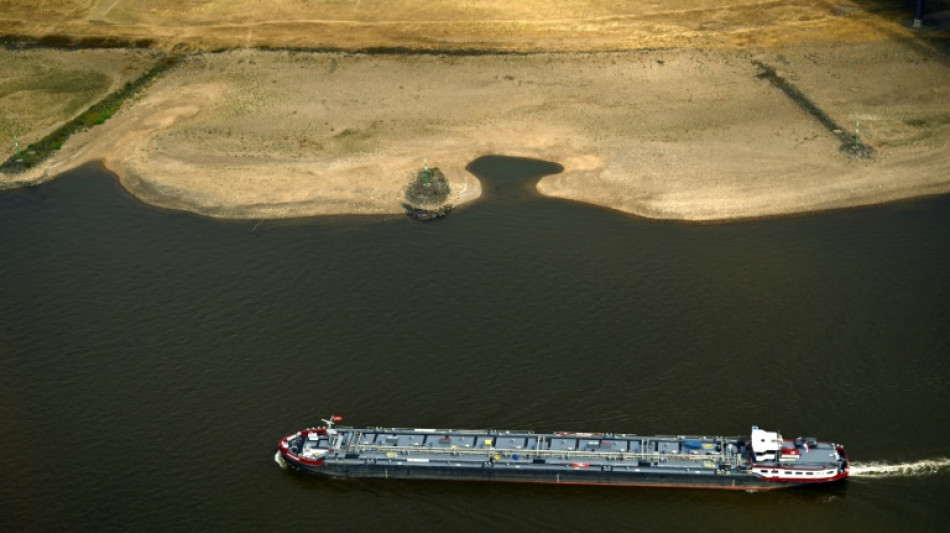
Some manufacturers, particularly in sectors like petroleum products, were hit by transport problems due to lower water levels on key rivers, particularly the Rhine, during the summer's drought and heatwaves.
Inflation in October slowed to 2.8 percent, from 3.3 percent in the previous month, following the government's introduction of fuel subsidies to help motorists hit by higher costs triggered by the US war on Iran.
Still the fall was bigger than expected, and economists noted that pressures were easing across the board. Core inflation, which strips out volatile food and energy costs, dipped to 2.1 percent from 2.4 percent in September.
But Stephanie Schoenwald, an economist with German public lender KfW, warned there were "growing price risks" ahead.
"Gas and oil prices have risen significantly again in recent weeks -- driven by ongoing conflicts and lower stock levels," she said.
E.Aziz--SF-PST