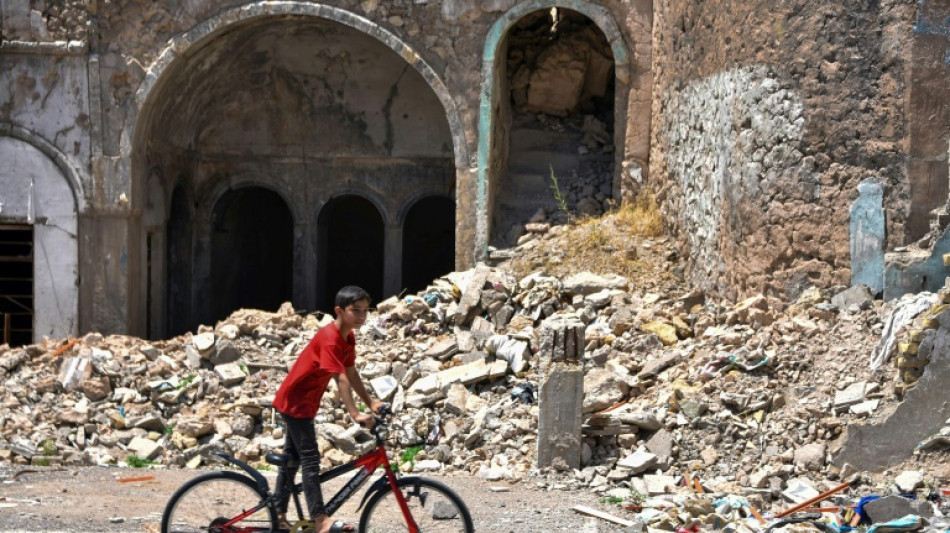
Three Iraqis remember IS horrors in Mosul a decade on / Photo: Zaid AL-OBEIDI - AFP

 تقرير حول منصّة شرطة دبي بـ«سوق السفر» تستقبل أكثر من 5 آلاف زائر
 تقرير حول إيطاليا: نجهز مهمة بحرية لحماية الملاحة في البحر الأحمر

 Russians vote on last day of parliamentary elections

 تقرير حول إغلاق باب الترشح لعضوية البرلمان الإماراتي للطفل في فصله التشريعي الثاني
 Hong Kong pays final respects to former city leader Tung

 Typhoon put people off Asian Games opening ceremony, official says

 IOC president impressed by 'beautiful' Asian Games wooden huts

 China's 13-year-old Yu cruises as Asian Games swimming begins

 AI 'warning shots' focus Beijing on national security risks

 Data centre command hub keeps AI up and running

 Philippine tribe in limbo over US-led tech hub
 Leo XIV, first US pope transcends his restrained style
 Singer Ed Sheeran says Gaza situation 'unjustifiable' following controversy

 In 'Tenzing', a Sherpa mountaineer gets his due
 حصيلة سيدات القادسية يكتسحن الترجي بـ14 هدفاً نظيفاً في الدوري الممتاز
 Ed Sheeran set to return to stage after Palestinian controversy

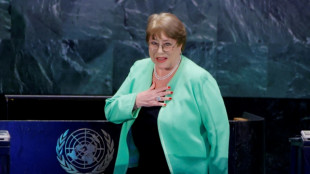 Chile's Bachelet quits race to be next UN chief

 قراءة في شركة مدعومة من “إنفيديا” و”مايكروسوفت” تتقدم بطلب طرح عام أولي

 Raphinha treble fires perfect Barca to win at Sevilla

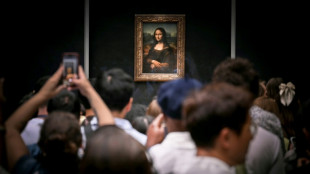 Germans arrested for Louvre stunt in Mona Lisa hall
 Saudi-led coalition says Houthis fired ballistic missile at Riyadh

 رئيس جامعة الأمير مساعد بن عبدالرحمن: بدء اسمه يحمل قيمة وطنية ومعرفية عميقة ويعزز أثرها الوطني
 تقرير حول غزة حين يصمت مجلس السلام وتحاكم الضحية
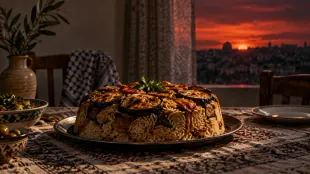 تقرير حول مقلوبة بطعم الدم

 إرشادات بشأن لماذا يستمر السعال بعد الإنفلونزا أطباء يكشفون طرق تخفيفه

When the Islamic State group rampaged through Iraq's ancient city of Mosul a decade ago, the jihadists killed thousands, upended countless more lives and left deep scars among the survivors.
Under their self-declared "caliphate" stretching across swathes of Syria and Iraq, they committed beheadings, torture and enslavement, turning life into living hell and leaving behind mass graves.
The Sunni Muslim extremists seized Mosul on June 10, 2014 and the group's then leader, Abu Bakr al-Baghdadi, soon made his first public appearance in the city's iconic Great Mosque of al-Nuri.
In the lands they controlled, the jihadists banned music, burnt books and punished perceived wrongdoers by stoning them and cutting off the fingers of smokers and the hands of alleged thieves.
It was not until 2017 that US-backed Iraqi forces drove IS out of Mosul in one of the bloodiest urban battles of modern times, leaving behind a city in rubble and despair.
When the guns fell silent, Mosul's traumatised residents were left to rebuild their shattered lives. AFP spoke to three of them about their memories of that terrible time.
- The student -
Azad Hassan, 29, was a young student when IS came, and he suffered the full brunt of their violence.
He lost one of his hands to the jihadists, and relatives whom he never saw again.
He recalled the terrifying spring morning in 2015 when a crowd gathered in a Mosul square, with all eyes fixed on him, his brother and two other men.
His heart thumped in his chest when he saw the people cheering, their excitement strangely reminding him of a football match.
"It was as if Real Madrid and Barcelona were playing," the 29-year-old recalled, before adding that the situation was deadly serious.
IS fighters "cut off our hands", Hassan said, explaining that they were being punished for a feud with a jihadist.
The family's suffering did not end there.
IS detained Hassan's brother and three other relatives, and they remain missing to this day.
Hassan said he did not give in to a thirst for revenge, but kept studying, started a family and would soon receive his Master's diploma in Arabic literature.
Now the father of a seven-year-old, he said he has also become an advocate for people with disabilities and for missing persons.
Although he admits to often having to battle negative feelings, he said that his "willpower always prevails".
"They wanted to break me, but they lost," he said. "I now go to university, play football and drive. But the scar is still here."
- The judge -
Two days before the jihadists swept into Mosul, Judge Ahmed Hureithi left the city to find refuge in Baghdad, but then the extremists came for his family.
They detained his father and two brothers, and later beheaded the youngest "with a sword". He was only 17 years old.
"They published pictures," said Hureithi, 60. "They were proud of such acts."
Years later, Hureithi would preside over a court in the capital Baghdad, judging hundreds of former fighters for unleashing their reign of terror.
In 2019, he sentenced to death 11 French nationals, although they are still being held in an Iraqi prison.
"I ruled according to Iraqi law," Hureithi said. "The evidence was sufficient and clear."
The courts have handed down hundreds of death and life sentences to people convicted of "terrorism" in trials that some human rights groups have denounced as hasty.
Hureithi is adamant that he bears no grudge against the defendants and that he "acted with great impartiality".
Hureithi returned to a still-devastated Mosul in 2020, and is now vice president of Nineveh province's court of appeal.
"I didn't recognise the city," the judge recalled. "It was as if I was entering it for the first time."
- The music lover -
When IS invaded the city, music shop owner Amar Kheder had one goal: to get his beloved music collection out of harm's way before the jihadists destroyed it.
He arranged for a food truck driver to take his decades-old collection of vinyl, tapes, radios and gramophones to friends in Baghdad.
"We concealed the boxes behind the food," Kheder, 50, recalled. "Once the archive was out of harm's way, I was relieved."
Jihadists turned up once to enquire about the music shop, but by then he had already turned it into a secondhand clothing store.
He decided to stay in Mosul in the belief that IS rule would last just a few months. In the end, it was three years before the jihadists were ejected.
Undeterred by the destruction in the city, Kheder restored his shop and sent to Baghdad for the treasures that his family had collected over more than 50 years.
His is not just any store, but a balm for the soul, he said. "I consider it a pharmacy... it offers each person a remedy."
Today, Kheder's shop is again filled with a trove of music history. Vinyl discs, cassette tapes and CDs occupy every corner -- many Iraqi and Arab artists, but also Bach and Beethoven.
Vintage round tables, classic radios and old recording machines take centre stage, and the walls are adorned with framed pictures of iconic Arab singers from a bygone era.
After so much suffering, Kheder said, his music treasure in Mosul has survived and "life has come back... to a city for historians, intellectuals and scholars".
F.AbuShamala--SF-PST